




















Travel Capitalist Ventures Expands Check Size to $10 Million to Deepen Emerging Market Conviction
Boutique Travel VC raises investment cap from $1.5M to $10M to lead rounds and support portfolio companies through growth Travel...
Read moreDetails
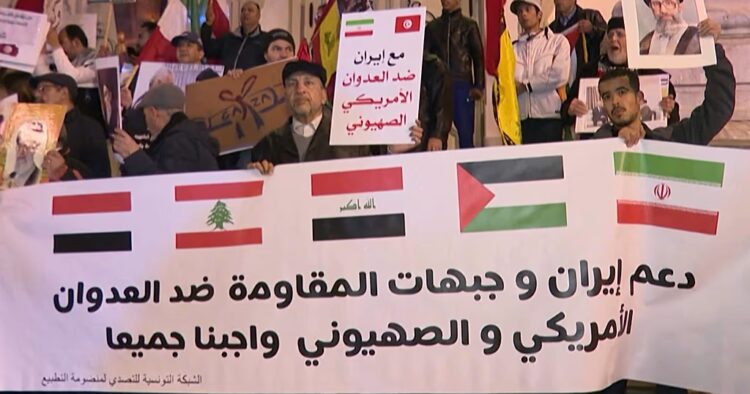
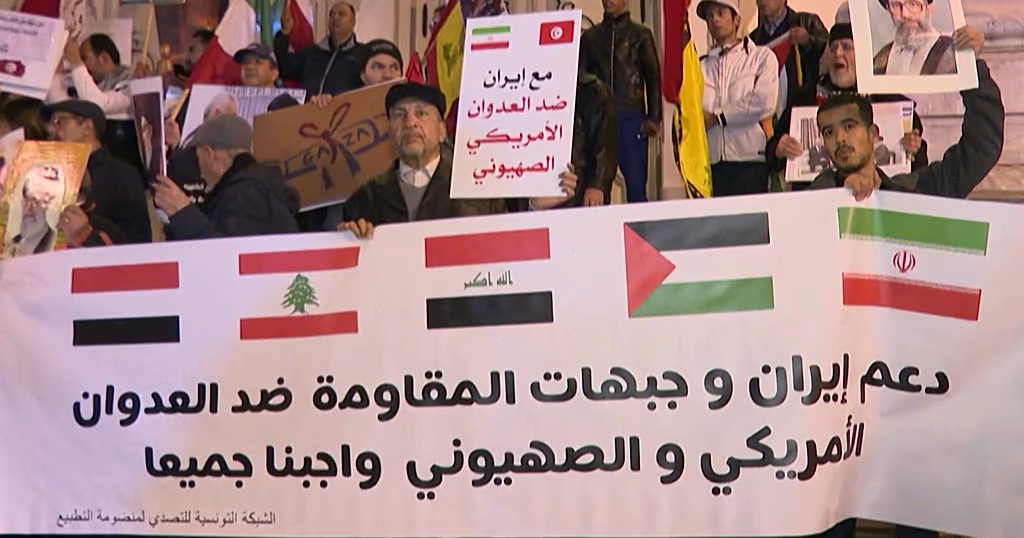
Tunisians protest against US-Israeli war against Iran
Comprehensive Summarization:
The article reports on a protest in Tunis, the capital of Tunisia, where around one hundred people gathered to denounce actions by the US and Israel in Iran and to show support for the Iranian people. The demonstrators waved Iranian and Palestinian flags and held portraits of the late Iranian Supreme Leader Ayatollah Ali Khamenei. One protester stated, “The region has become a real hell. Under these conditions, Iran has no choice but to defend itself.” The article also mentions that similar protests have taken place in other parts of the world, indicating a global reaction to the tensions between the US, Israel, and Iran. The context provided does not delve into travel industry-specific trends or insights, focusing instead on the geopolitical situation and its impact on public sentiment.
Key Points:
Actionable Takeaways:
Impact on Travel Industry: The geopolitical tensions between the US, Israel, and Iran may lead to increased travel advisories and restrictions, affecting travel plans and potentially impacting the travel industry. Businesses in the travel sector should monitor these developments closely to anticipate and mitigate any adverse effects on their operations.
Market Reaction: Investors in companies with significant exposure to the Middle East region may experience volatility. The article highlights the potential for economic repercussions, suggesting that stakeholders should reassess their portfolios and consider the long-term implications of regional instability on market performance.
Contextual Understanding:
The article’s context is rooted in the current geopolitical climate, specifically the tensions between the US, Israel, and Iran. This situation has sparked global reactions, including protests in various countries, reflecting the deep-seated concerns and sentiments of the international community. In the travel industry, such geopolitical events can lead to heightened security concerns, changes in travel policies, and shifts in consumer behavior. Understanding these dynamics is crucial for professionals in the sector to adapt strategies and ensure business continuity. The latest travel trends and insights from thought leaders emphasize the importance of staying informed about global events and their potential impact on travel demand and operational logistics.
Handling Different Article Types:
The article in question is a news blurb, providing factual information about a specific event and its broader implications. For such articles, the focus is on delivering accurate, concise information that is directly sourced from the text. The structured output format ensures that the key points and actionable takeaways are clearly delineated, making the information easily digestible for a professional audience. Since the article does not contain elements of opinion pieces or feature articles, the analysis remains strictly factual, adhering to the provided content without introducing external viewpoints or speculative insights.
Read the Complete Article.
Boutique Travel VC raises investment cap from $1.5M to $10M to lead rounds and support portfolio companies through growth Travel...
Read moreDetails



Comprehensive Summarization: Uber has announced its acquisition of Blacklane, a Berlin-based global chauffeur service platform, in a deal expected to...
Read moreDetails
