




















Travel Capitalist Ventures Expands Check Size to $10 Million to Deepen Emerging Market Conviction
Boutique Travel VC raises investment cap from $1.5M to $10M to lead rounds and support portfolio companies through growth Travel...
Read moreDetails
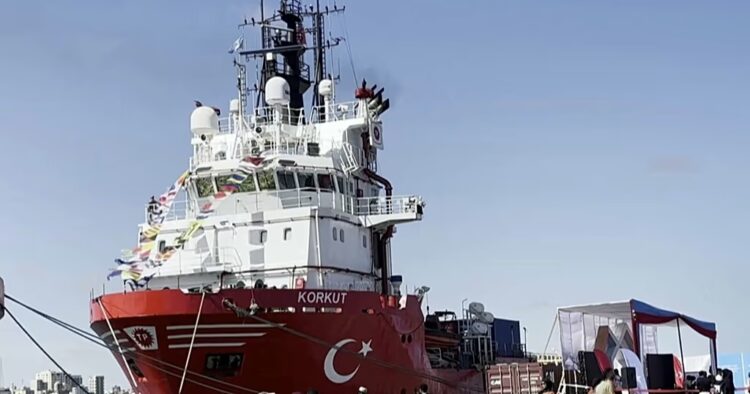
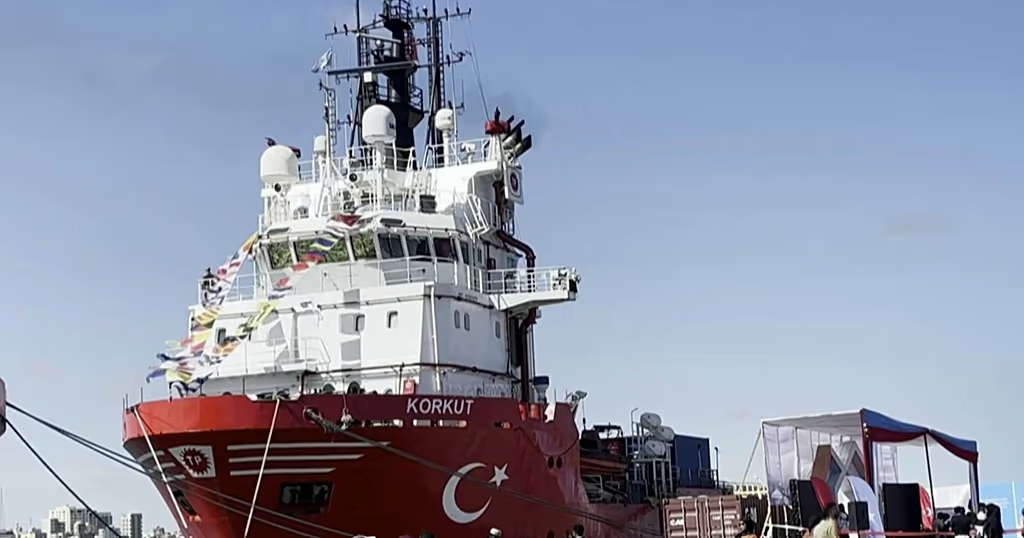
Turkey, Somalia to start first offshore drilling project at Somalian coast
Comprehensive Summarization:
The article reports on a significant development in Somalia’s offshore oil exploration sector. A Turkish drilling ship, the Cagri Bey, docked at the port of Mogadishu, marking the beginning of Somalia’s first offshore oil drilling project. This project is a result of a hydrocarbon development deal signed in 2024, which granted Turkey’s state-owned energy company the right to explore three offshore blocks, each approximately 5,000 square kilometers in size. In late 2024, another Turkish vessel conducted seismic surveys in these blocks to identify potential drilling sites. The summary captures the main theme of a new offshore oil exploration initiative in Somalia, the role of Turkey in this venture, and the technical steps taken to prepare for the exploration.
Key Points:
Actionable Takeaways:
Turkish Investment in Somalia’s Oil Sector: The involvement of Turkey in Somalia’s offshore oil exploration presents a significant investment opportunity. This could lead to increased economic activity in Somalia, job creation, and potential technological advancements in the oil sector. For travel industry stakeholders, this development could open up new markets and opportunities for collaboration in the energy sector.
Technological Advancements in Offshore Exploration: The use of seismic surveys and advanced drilling technology in Somalia represents a leap in offshore exploration techniques. This could set a precedent for other developing countries looking to enter the oil sector, potentially lowering the barriers to entry and fostering innovation in the field. Travel industry professionals should monitor these technological advancements as they could influence future travel trends, particularly in logistics and transportation related to oil exploration.
Contextual Insights:
The article’s context is deeply rooted in the evolving landscape of global energy exploration, particularly in regions that were previously considered challenging for offshore drilling. Somalia’s decision to embark on this project signals a shift towards embracing modern energy extraction techniques, despite the region’s historical challenges. This move aligns with broader global trends of diversifying energy sources and investing in renewable and unconventional energy sectors. From a travel industry perspective, this development could have implications for logistics, transportation, and infrastructure development in Somalia. As the country progresses in its oil exploration, there may be increased demand for travel services catering to the energy sector, such as logistics for equipment and personnel, and tourism related to the exploration sites. Thought leaders in the travel industry should keep an eye on such developments as they could open up new avenues for travel and tourism, particularly in regions that are traditionally off-limits or challenging to access.
Read the Complete Article.
Boutique Travel VC raises investment cap from $1.5M to $10M to lead rounds and support portfolio companies through growth Travel...
Read moreDetails




