







No products in the cart.
- Latest
- Trending

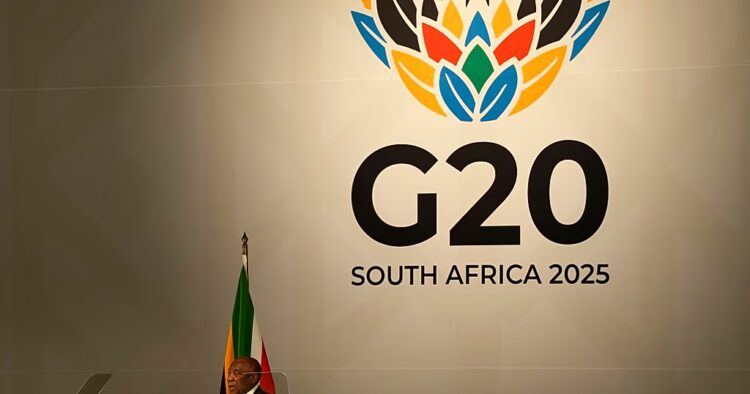
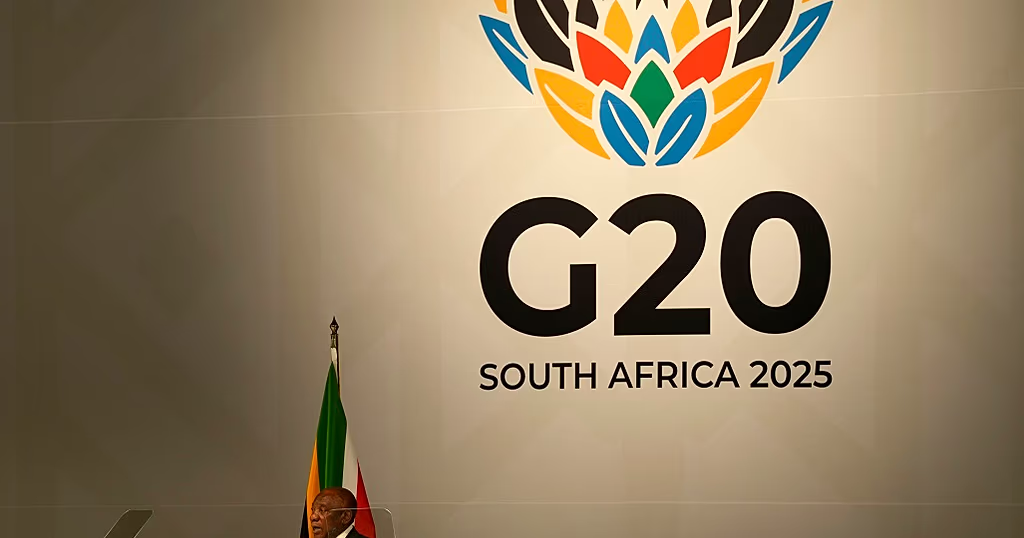
U.S. to boycott G20 summit in South Africa over Trump's claims of white farmer "abuses"
Article Summary:
The United States has announced it will boycott the upcoming G20 summit in South Africa, citing President Donald Trump’s controversial claims about the treatment of white farmers in the country. Trump’s decision escalates a diplomatic dispute and reiterates his criticisms of the choice of host country, labeling it a "complete disgrace." The withdrawal includes all U.S. officials, such as Vice President JD Vance, who were scheduled to attend. The primary reason cited by Trump is alleged "abuses" faced by Afrikaners, including violence, death, and the seizure of their land and farms.
Key Points:
Actionable Takeaways:
Diplomatic Relations Impact: The U.S. boycott of the G20 summit could have significant implications for diplomatic relations and international cooperation. This move may strain relations with South Africa and other G20 members, potentially affecting collaborative efforts on global issues. Relevance: Understanding the potential diplomatic fallout is crucial for businesses and governments engaged in international partnerships.
Contextual Insights:
The decision by the U.S. to boycott the G20 summit reflects broader geopolitical tensions and the sensitivity surrounding issues of land ownership and human rights in South Africa. This event underscores the interconnectedness of global politics and the travel industry, where diplomatic relations can directly impact travel advisories, tourism policies, and business opportunities. Forward-Looking Perspective: As the travel industry continues to navigate geopolitical complexities, staying informed about diplomatic developments and their potential impacts on travel destinations and business environments will be essential. Thought leaders suggest that companies should adopt a proactive approach to risk management, including monitoring geopolitical developments and aligning their strategies with ethical and human rights considerations.
Read the Complete Article.
Get curated travel AI insights — choose the newsletters that matter to you.
ALTOUR Expands into Thailand, Strengthening Corporate Travel Network Across Southeast Asia BANGKOK, THAILAND (25 March, 2026) – ALTOUR, a leading...
Read moreDetails


Comprehensive Summarization: Far East Hospitality has announced the launch of exclusive travel packages celebrating the strong relations between Singapore and...
Read moreDetails