









No products in the cart.
- Latest
- Trending


Africa: Trump Expands U.S. Travel Restrictions to 15 More Countries, Majority in Africa
Article Summary:
President Donald Trump has expanded U.S. travel restrictions to include 15 additional countries, primarily in Africa, which is expected to strain U.S.-Africa relations and disrupt travel, education, and business links across the continent. The newly added countries include 11 African nations such as Angola, Benin, Côte d’Ivoire, Gabon, The Gambia, Malawi, Mauritania, Nigeria, Senegal, Tanzania, Zambia, and Zimbabwe, along with Antigua and Barbuda, Dominica, and Tonga. This move highlights a pattern of African nations being disproportionately targeted by U.S. immigration controls.
Key Points:
Actionable Takeaways:
Contextual Insights:
The article reflects ongoing geopolitical tensions and the evolving dynamics of international travel regulations. The focus on African nations highlights a broader trend of U.S. immigration policies impacting global travel and trade. In the context of the travel industry, this development underscores the importance of adaptability and strategic planning. Travel startups and fintech companies may find opportunities in developing solutions that facilitate alternative travel arrangements or provide financial services to mitigate the impact of such restrictions. Additionally, thought leaders in the travel sector should monitor how these policies influence market trends and consumer behavior, potentially shaping future travel trends and innovations.
Read the Complete Article.
Get curated travel AI insights — choose the newsletters that matter to you.
ALTOUR Expands into Thailand, Strengthening Corporate Travel Network Across Southeast Asia BANGKOK, THAILAND (25 March, 2026) – ALTOUR, a leading...
Read moreDetails


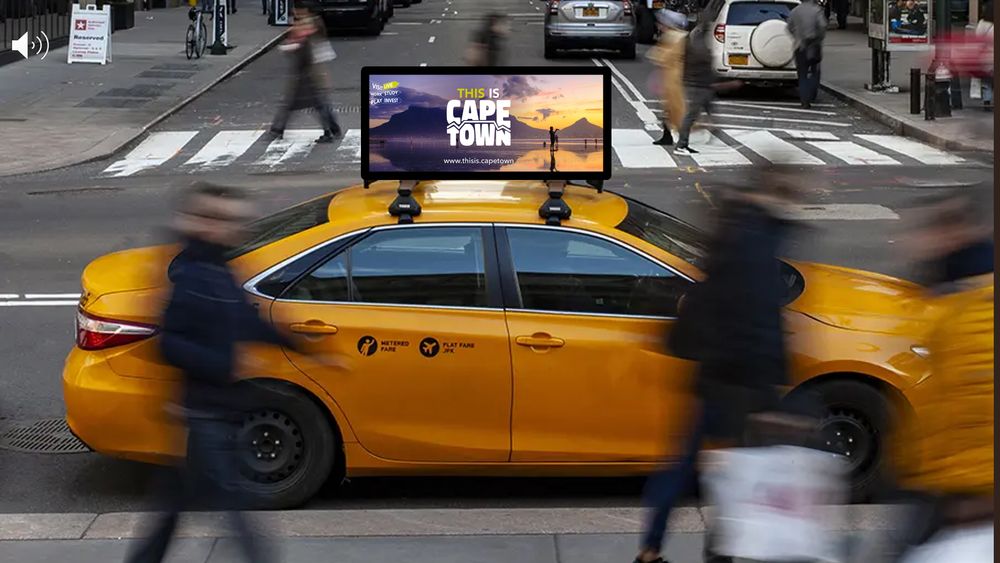
Comprehensive Summarization: The City of Cape Town has expanded its "This Is Cape Town" tourism campaign to major international cities,...
Read moreDetails