






No products in the cart.
- Latest
- Trending

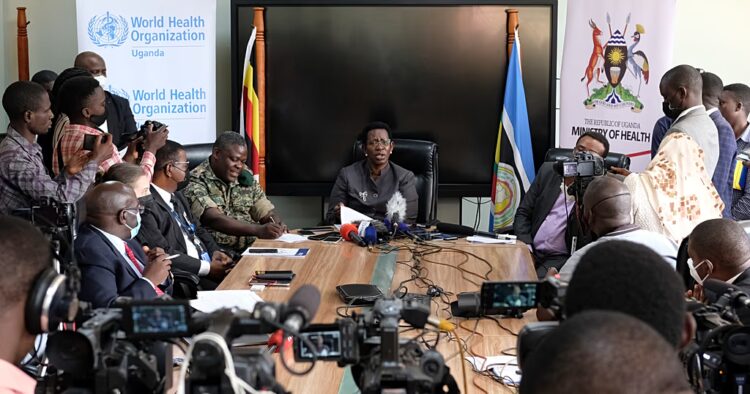
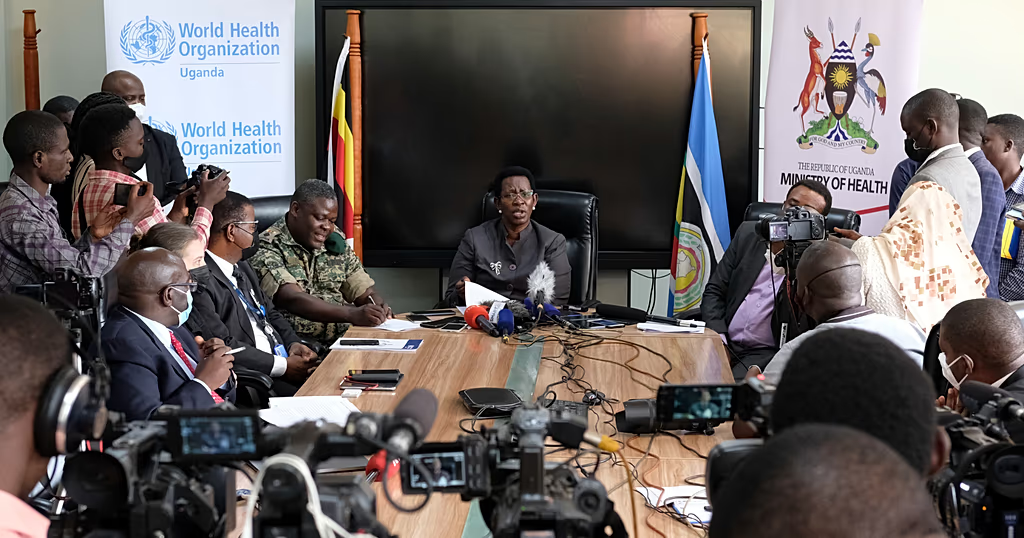
Uganda to receive $1.7 billion of US funding under new health deal
Article Summary:
Uganda and the United States have signed a $2.3 billion bilateral health cooperation agreement, as part of the Trump administration’s “America First Global Health Strategy.” This strategy aims for poorer nations to transition from aid to self-reliance in combating infectious diseases. Under the Memorandum of Understanding, Uganda will receive up to $1.7 billion in US funding for its health sector over the next five years, primarily supporting HIV and AIDS prevention programs and other priority health initiatives.
Key Points:
Actionable Takeaways:
Contextual Insights:
The signing of this health cooperation agreement reflects the ongoing global efforts to combat infectious diseases, particularly in regions where such diseases pose significant health risks. The focus on HIV and AIDS prevention aligns with current global health priorities and underscores the importance of sustained investment in public health infrastructure. For the travel industry, this development suggests a growing emphasis on health and safety measures, which could influence travel trends, such as increased demand for travel insurance covering medical emergencies and a heightened awareness of health protocols in travel destinations. Additionally, the strategic alignment with the “America First Global Health Strategy” indicates a potential shift towards more self-reliant health systems in developing nations, which could lead to more stable and predictable health-related travel markets in the long term.
Read the Complete Article.
Get curated travel AI insights — choose the newsletters that matter to you.
ALTOUR Expands into Thailand, Strengthening Corporate Travel Network Across Southeast Asia BANGKOK, THAILAND (25 March, 2026) – ALTOUR, a leading...
Read moreDetails


Comprehensive Summarization: The article discusses the challenges and adaptations faced by Saudi Arabia's tourism sector amidst ongoing war disruptions, within...
Read moreDetails