








No products in the cart.
- Latest
- Trending

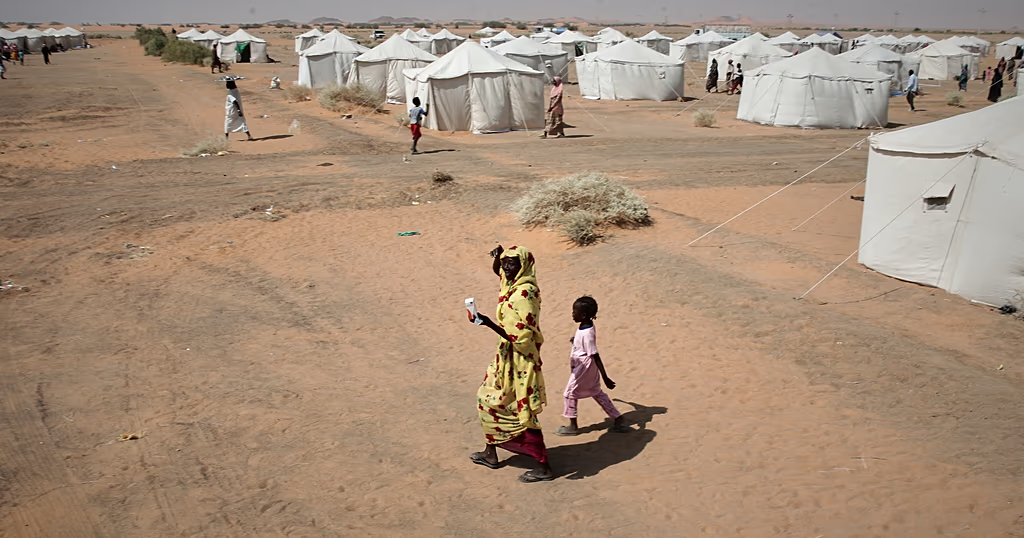
UK sanctions four senior RSF commanders over atrocities in Sudan
Article Summary:
The United Kingdom has sanctioned four commanders of Sudan’s paramilitary Rapid Support Forces (RSF) for their alleged atrocities in El Fasher. These sanctions include asset freezes and travel bans, targeting Abdul Rahim Hamdan Dagalo, Gedo Hamdan Ahmed, Al-Fateh Abdullah Idris, and Tijani Ibrahim Moussa Mohamed. The European Union had already sanctioned the deputy leader of RSF in November. The article also references the ongoing humanitarian crisis in Sudan and the EU’s sanctions on RSF leader Hemedti.
Key Points:
Actionable Takeaways:
Contextual Insights:
The sanctions against RSF commanders are a response to the ongoing humanitarian crisis in Sudan, particularly the atrocities committed in El Fasher. This action reflects a growing trend in international relations where countries are using economic and travel-related sanctions to address conflicts and human rights abuses. For the travel industry, this underscores the importance of real-time risk assessment tools and compliance mechanisms. Startups in fintech and travel tech that can provide robust verification and compliance solutions may find increased demand as travel agencies and corporations seek to mitigate geopolitical risks. Additionally, the article highlights the interconnectedness of global events and the travel industry, suggesting that thought leaders in the sector should remain vigilant about geopolitical developments and their potential impact on travel destinations.
Read the Complete Article.
Get curated travel AI insights — choose the newsletters that matter to you.
ALTOUR Expands into Thailand, Strengthening Corporate Travel Network Across Southeast Asia BANGKOK, THAILAND (25 March, 2026) – ALTOUR, a leading...
Read moreDetails


Comprehensive Summarization: The article reports that Congo-Brazzaville's President Denis Sassou Nguesso, who has been in power for four decades, secured...
Read moreDetails