





No products in the cart.
- Latest
- Trending

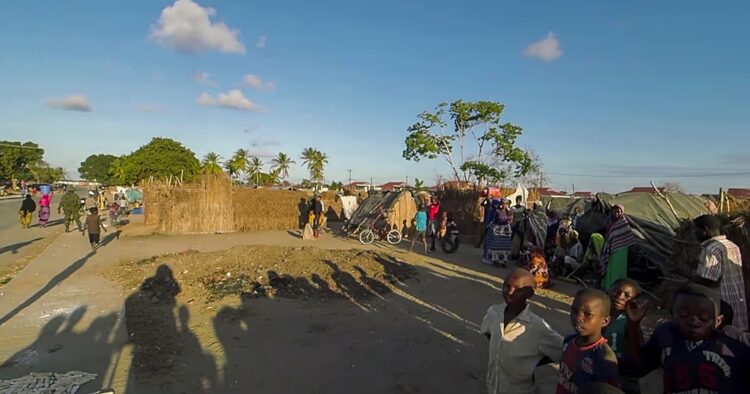
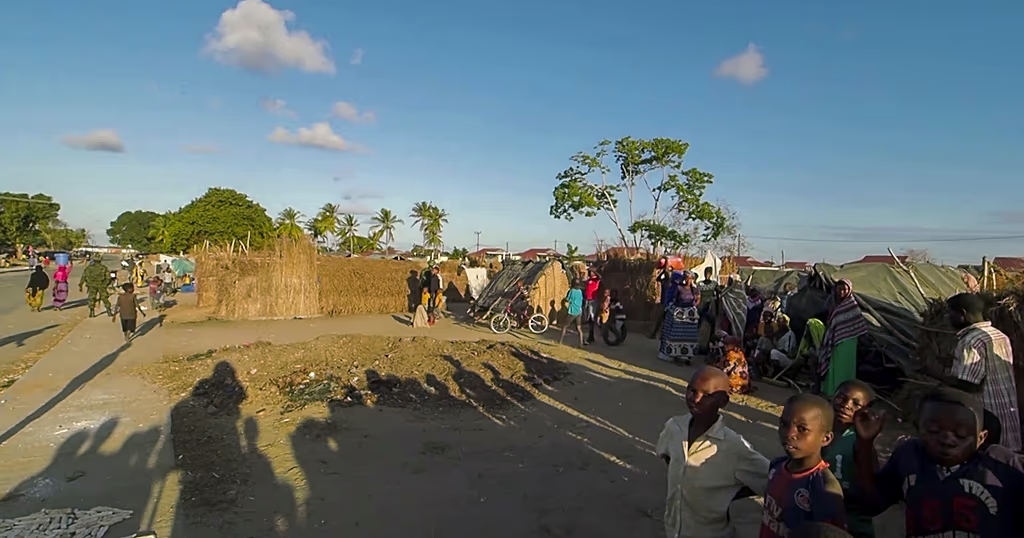
UN sounds alarm as violence in northern Mozambique forces over 100,000 to flee
Article Summary:
The UN Refugee Agency (UNHCR) is expressing serious concern over the escalating attacks in northern Mozambique, which have forced over 100,000 people to flee their homes in just one week. This influx marks the fourth massive displacement in the region over the past few months, with violence now spreading into previously safe districts. Xavier Creach, a representative of UNHCR, described the humanitarian situation as dire, emphasizing the urgent need for food, shelter, water, and mental health support for the displaced individuals. The host communities are struggling to cope with the influx, indicating a significant strain on resources and capacity.
Key Points:
Actionable Takeaways:
Enhanced Resource Allocation: Given the rapid and ongoing displacement, there is an urgent need for increased allocation of resources, including financial aid, logistical support, and personnel to manage the humanitarian crisis effectively. This is crucial for ensuring the immediate safety and well-being of displaced individuals and supporting host communities in coping with the influx.
Strengthened Mental Health Services: The trauma experienced by displaced individuals necessitates a robust mental health response. Travel and humanitarian organizations should prioritize the development and deployment of mental health support services, including counseling and psychological first aid, to address the mental health needs of refugees and host communities.
Capacity Building for Host Communities: Strengthening the capacity of host communities to manage displaced populations is essential. This includes training local authorities and community leaders in emergency response, resource management, and providing sustainable support mechanisms to ensure long-term resilience and self-sufficiency for both displaced and host populations.
Contextual Insights:
The escalating violence and displacement in northern Mozambique underscore the broader challenges faced by the travel and humanitarian sectors in conflict-affected regions. The article highlights the critical need for coordinated efforts between international organizations like UNHCR, local governments, and the private sector to address immediate humanitarian needs while also building long-term resilience. In the context of travel, this situation emphasizes the importance of adaptable and resilient tourism infrastructure that can withstand and recover from crises. Additionally, the article reflects a growing trend in the travel industry towards integrating humanitarian aid and support services into travel experiences, particularly in regions prone to conflict and instability. This trend is likely to gain momentum as the travel industry seeks to contribute positively to global humanitarian efforts and promote sustainable tourism in affected areas.
Read the Complete Article.
Get curated travel AI insights — choose the newsletters that matter to you.
ALTOUR Expands into Thailand, Strengthening Corporate Travel Network Across Southeast Asia BANGKOK, THAILAND (25 March, 2026) – ALTOUR, a leading...
Read moreDetails


Comprehensive Summarization: Subject, an AI-powered education platform, has announced a significant growth investment led by Vistara Growth, with participation from...
Read moreDetails