







No products in the cart.
- Latest
- Trending

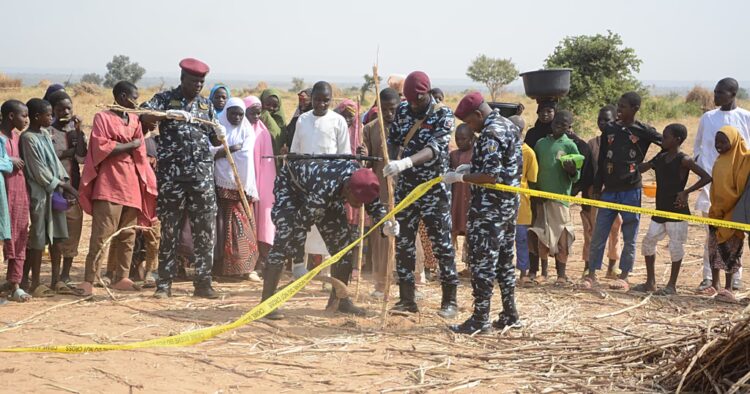
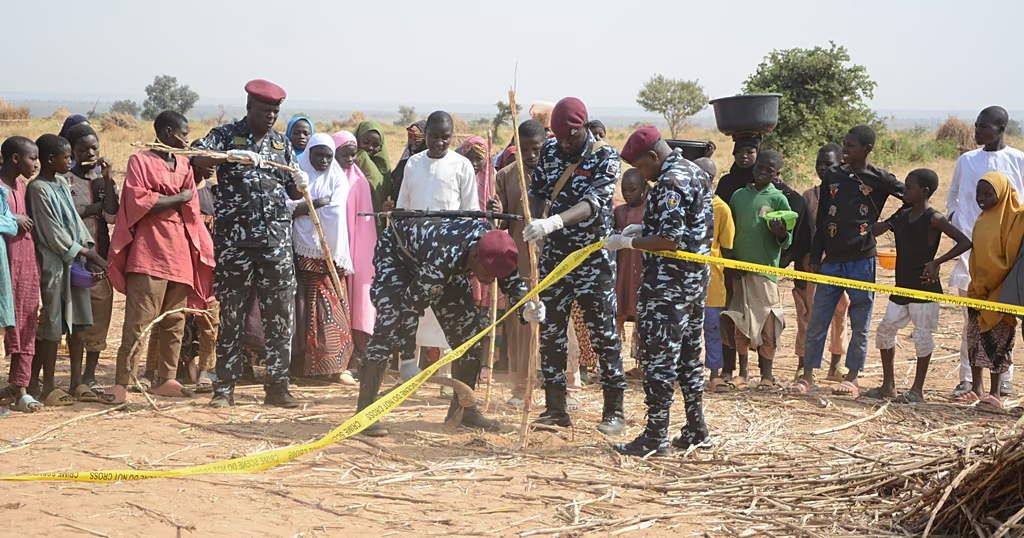
New details emerge over US airstrikes in Nigeria's Northwest
Article Summary:
Nigeria’s government has confirmed the precise locations of US airstrikes carried out in the country’s northwest on Christmas evening. This marks a rare instance of foreign military action on Nigerian soil. The strikes, approved by Abuja, came weeks after sharp criticism from Washington over Nigeria’s handling of attacks on Christians. The operation was conducted jointly with the United States and targeted Islamic State-linked militants operating near the country’s northwestern border. Information Minister Mohammed Idris announced that the operation focused on two major Islamic State enclaves in the Bauni axis of Tangaza Local Government Area.
Key Points:
Actionable Takeaways:
Contextual Insights:
The article reflects a significant development in Nigeria’s approach to security and counterterrorism, marked by a rare instance of foreign military intervention. This aligns with broader trends in the travel industry towards enhanced security measures and risk assessments, especially in regions prone to terrorism. The collaboration between Nigeria and the United States underscores the importance of international partnerships in combating terrorism. For the travel industry, this could mean a shift towards more stringent security protocols and a greater emphasis on safety communications to travelers. Additionally, the focus on Islamic State-linked militants highlights the ongoing threat landscape in the region, which may influence travel trends, such as a potential decrease in tourism to affected areas and an increase in demand for security-focused travel services.
Read the Complete Article.
Get curated travel AI insights — choose the newsletters that matter to you.
This spot is reserved for brands with a compelling story for the travel trade. They use this space to cut...
Read moreDetailsALTOUR Expands into Thailand, Strengthening Corporate Travel Network Across Southeast Asia BANGKOK, THAILAND (25 March, 2026) – ALTOUR, a leading...
Read moreDetails


Comprehensive Summarization: Koh Chraeng, an island located in the Kratie Province of Cambodia along the Mekong River, is rapidly gaining...
Read moreDetails