



No products in the cart.
- Latest
- Trending

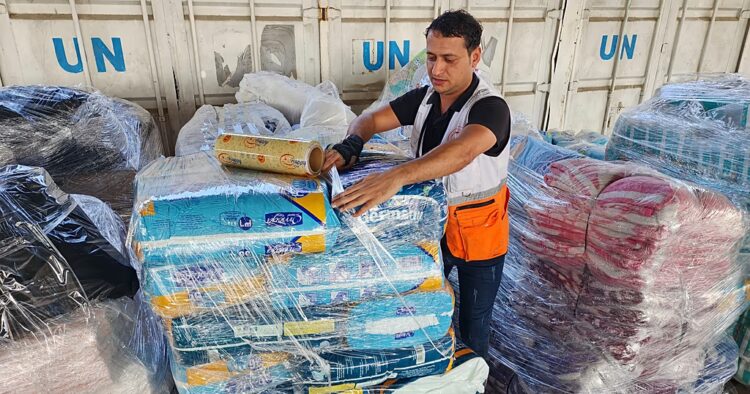
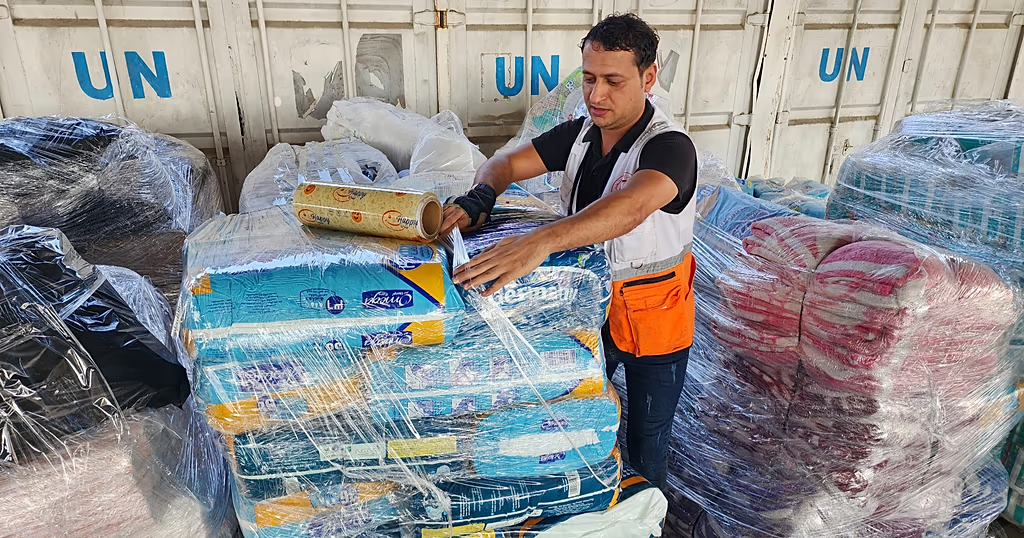
US pledges $2 billion to UN aid amid deep foreign assistance cuts
Article Summary:
The United States has pledged a $2 billion contribution to UN humanitarian aid, described by the Trump administration as generous but criticized by others as insufficient compared to past commitments. This funding is placed into an umbrella fund, allowing the US to tightly control its distribution, a significant shift that has alarmed humanitarian workers and led to cuts in programs and staff worldwide. The article also touches on the broader context of the Trump administration’s approach to foreign assistance, warning UN agencies to “adapt, shrink, or die.”
Key Points:
Actionable Takeaways:
Contextual Insights:
The U.S. pledge of $2 billion for UN humanitarian aid reflects a significant shift in the Trump administration’s approach to foreign assistance. While the administration describes the pledge as generous, critics argue that it falls short of past commitments. This move is part of a broader trend of the U.S. reducing its foreign aid budget, with the administration warning UN agencies to adapt, shrink, or die. This shift has already led to deep cuts to programs and staff worldwide, raising concerns about the impact on humanitarian workers and the effectiveness of UN agencies.
In the context of current industry trends, this development highlights the increasing influence of major powers on global humanitarian efforts. The U.S.’s decision to control the distribution of aid through an umbrella fund could set a precedent for other countries, potentially leading to more centralized and controlled aid distribution models. This could have significant implications for travel startups and fintech innovations, as the industry adapts to new funding models and distribution mechanisms. It may also influence the development of new technologies and services aimed at improving the efficiency and impact of humanitarian aid delivery.
Read the Complete Article.
Get curated travel AI insights — choose the newsletters that matter to you.
This spot is reserved for brands with a compelling story for the travel trade. They use this space to cut...
Read moreDetailsALTOUR Expands into Thailand, Strengthening Corporate Travel Network Across Southeast Asia BANGKOK, THAILAND (25 March, 2026) – ALTOUR, a leading...
Read moreDetails


Comprehensive Summarization: The article highlights the significant impact of geopolitical tensions involving the United States, Israel, and Iran on the...
Read moreDetails