






No products in the cart.
- Latest
- Trending

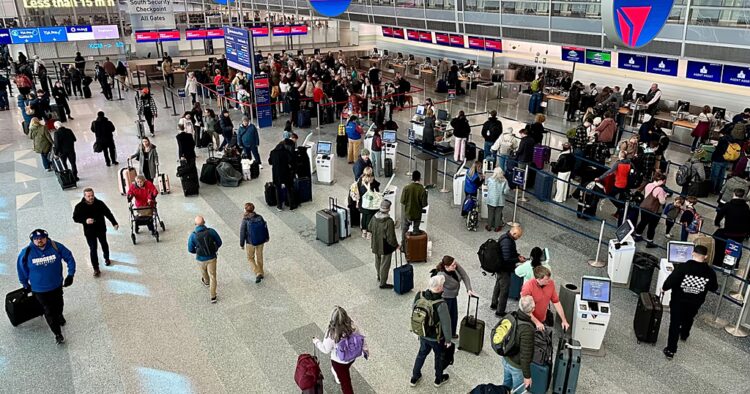
Mali, Burkina Faso ban US citizens in retaliation for Trump travel ban
Article Summary:
Mali and Burkina Faso have announced they will ban US citizens from entering their countries, in response to the US’s recent travel ban that included these nations. This decision is a direct retaliation, with both governments citing reciprocity. The bans came into effect immediately, aligning the conditions for American nationals with those imposed on citizens of these countries.
Key Points:
Actionable Takeaways:
Contextual Insights:
The article reflects the evolving dynamics in international travel, particularly in light of geopolitical tensions and travel restrictions. The decision by Mali and Burkina Faso to ban US citizens is a clear response to the US’s recent travel ban, showcasing the reciprocal nature of international travel policies. This trend is indicative of a broader shift in how countries are managing their borders in response to external pressures, including those from political decisions by other nations.
In the context of the travel industry, this development underscores the importance of real-time policy monitoring and adaptability. Travel startups and fintech companies specializing in travel payments and insurance may find opportunities in developing solutions that help travelers navigate restrictive environments. Additionally, there is a growing trend towards digital travel solutions that can offer safer, more flexible travel options, potentially benefiting from increased demand for remote and virtual travel experiences.
Overall, the article highlights the interconnectedness of international travel policies and the need for stakeholders in the travel industry to stay informed and agile in response to such developments.
Read the Complete Article.
Get curated travel AI insights — choose the newsletters that matter to you.
This spot is reserved for brands with a compelling story for the travel trade. They use this space to cut...
Read moreDetailsALTOUR Expands into Thailand, Strengthening Corporate Travel Network Across Southeast Asia BANGKOK, THAILAND (25 March, 2026) – ALTOUR, a leading...
Read moreDetails


Comprehensive Summarization: The article reports on the United Arab Emirates (UAE) activating its air-defence network in response to a new...
Read moreDetails