




No products in the cart.
- Latest
- Trending

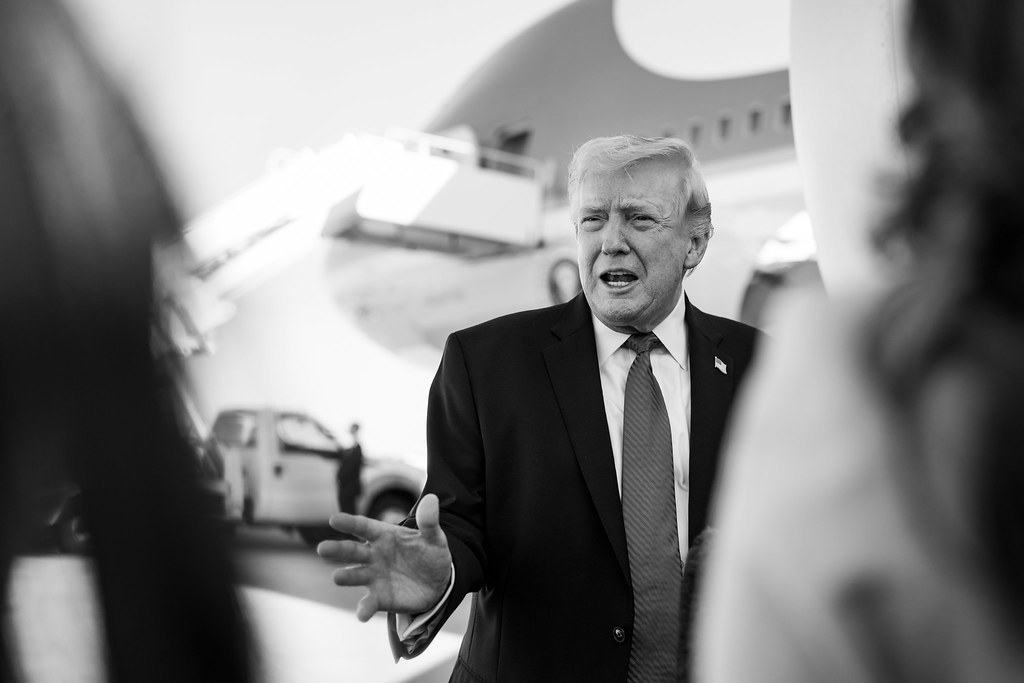
Mali, Burkina Faso ban US citizens in retaliation for Trump travel ban
Article Summary:
Mali and Burkina Faso have announced they will ban US citizens from entering their countries, in response to the US’s recent travel ban that included these nations. This decision is a direct retaliation, with both governments citing reciprocity. The bans came into effect immediately, aligning the conditions for American nationals with those imposed on citizens of these countries.
Key Points:
Actionable Takeaways:
Contextual Insights:
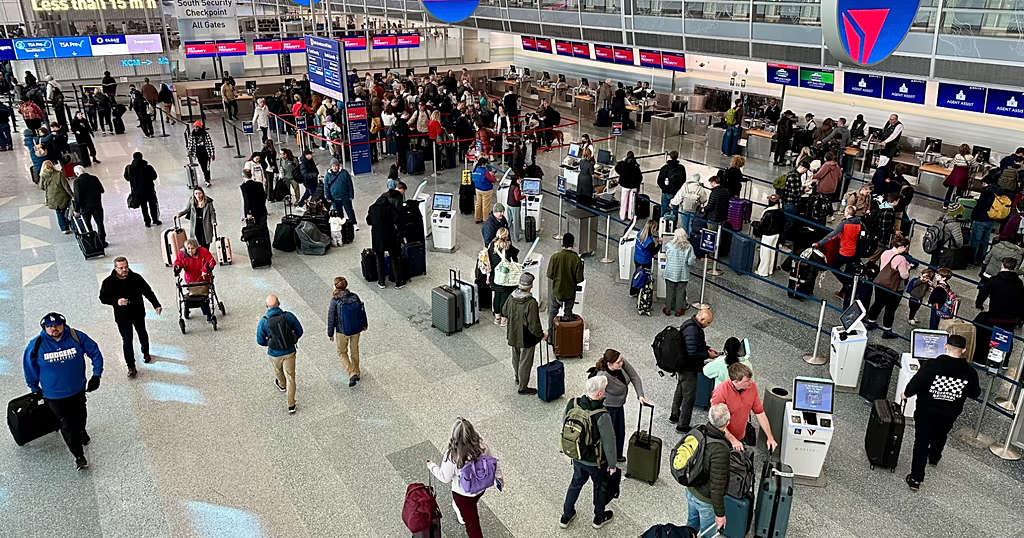
The recent travel bans by Mali and Burkina Faso reflect a broader trend of countries tightening their immigration policies in response to external pressures, such as the US’s travel restrictions. This development is particularly relevant in the context of the ongoing global travel industry challenges, including the impact of the COVID-19 pandemic and geopolitical tensions. The bans underscore the importance of real-time policy monitoring for businesses and travelers alike, as they can have immediate and significant impacts on travel logistics, safety, and economic activities. For travel startups and fintech companies, this situation presents both challenges and opportunities. Companies may need to adapt their services to comply with new travel restrictions, while also exploring innovative solutions to mitigate the economic impacts on the travel sector.
Read the Complete Article.
Get curated travel AI insights — choose the newsletters that matter to you.
This spot is reserved for brands with a compelling story for the travel trade. They use this space to cut...
Read moreDetailsALTOUR Expands into Thailand, Strengthening Corporate Travel Network Across Southeast Asia BANGKOK, THAILAND (25 March, 2026) – ALTOUR, a leading...
Read moreDetails


Comprehensive Summarization: The article discusses the challenges faced by the Pattaya tourism sector in March 2026, characterized by a weaker...
Read moreDetails