



















Travel Capitalist Ventures Expands Check Size to $10 Million to Deepen Emerging Market Conviction
Boutique Travel VC raises investment cap from $1.5M to $10M to lead rounds and support portfolio companies through growth Travel...
Read moreDetails

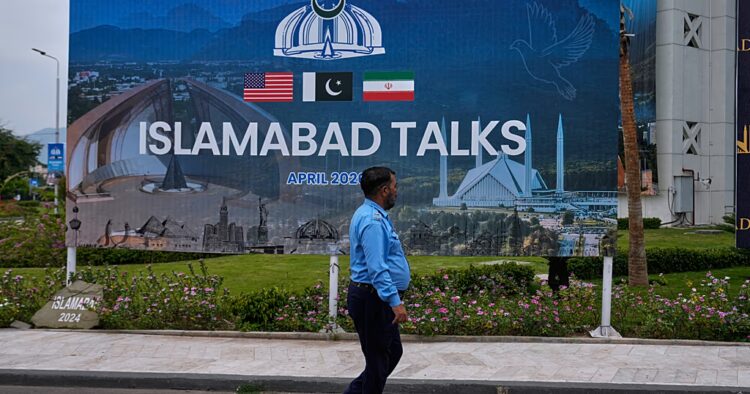
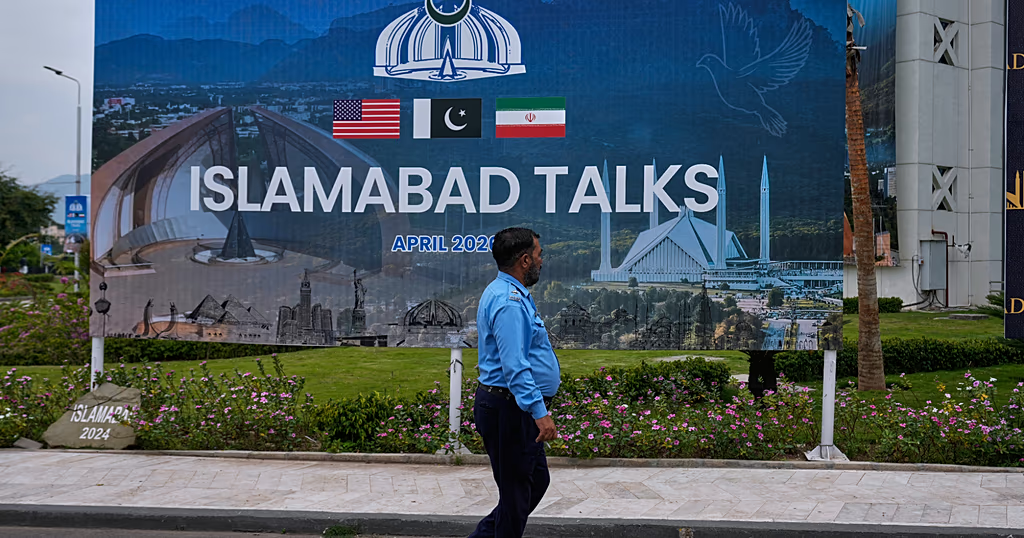
US, Iran hold separate talks with Pakistan's PM ahead of negotiations
Comprehensive Summarization:
The article reports on separate talks held by US and Iranian officials with Pakistan’s Prime Minister Shehbaz Sharif on Saturday, amid a ceasefire in Lebanon that is fragile due to deep disagreements and ongoing fighting. The US delegation, led by Vice President JD Vance, and the Iranian delegation, led by Parliament Speaker Mohammad Bagher Qalibaf, each met with Sharif. International media outlets, including Al Jazeera and CNN, reported that the US and Iran had initiated direct talks in the afternoon. The article highlights the complexity of the ceasefire situation in Lebanon and the diplomatic efforts to manage tensions between the US and Iran, with the talks potentially impacting regional stability and international relations.
Key Points:
Actionable Takeaways:
Diplomatic Efforts in Tense Regions: The article underscores the importance of diplomatic efforts in regions with high tensions, such as Lebanon, where the ceasefire is fragile. For travel industry stakeholders, this highlights the need for robust risk assessment and contingency planning in travel itineraries, especially for routes that pass through volatile regions. Understanding the geopolitical landscape can help in mitigating risks and ensuring the safety of travelers.
Impact on Regional Stability: The direct talks between the US and Iran could have significant implications for regional stability. For the travel industry, this suggests a potential shift in geopolitical dynamics that could affect travel routes, visa policies, and security measures. Stakeholders should stay informed about these developments to adapt their services and offerings accordingly, ensuring compliance with evolving travel regulations and maintaining customer trust.
Contextual Insights:
The article’s context is deeply rooted in the current geopolitical climate, particularly the ongoing tensions between the US and Iran, and the fragile ceasefire in Lebanon. These factors are crucial in shaping the travel industry’s landscape, especially in terms of safety, security, and regulatory compliance. Recent trends indicate a growing emphasis on risk management and security in travel planning, driven by heightened geopolitical uncertainties. Thought leaders in the travel sector are increasingly focusing on innovative solutions such as advanced security technologies, real-time risk assessment tools, and flexible travel policies to address these challenges. The insights from this article align with these trends, emphasizing the need for proactive measures to navigate the complexities of international relations and their direct impact on travel operations. As the travel industry continues to evolve, staying abreast of such geopolitical developments will be essential for maintaining operational resilience and ensuring a positive traveler experience.
Read the Complete Article.
Boutique Travel VC raises investment cap from $1.5M to $10M to lead rounds and support portfolio companies through growth Travel...
Read moreDetails




