The article discusses the escalating conflict between the United States and Iran, which has led to missile and drone attacks on several countries hosting US troops, including Bahrain, Iraq, Jordan, Kuwait, Qatar, Syria, and the United Arab Emirates. The attacks were in retaliation for the US-Israeli airstrikes that killed Supreme Leader Ayatollah Ali Khamenei, initiating the current war. The article also highlights the potential vulnerability of US military bases in Africa, specifically Camp Lemonnier in Djibouti, which could become a target for Iran and its allies. The context provided emphasizes the ongoing tensions in the Middle East and the strategic importance of US military bases in the region.
Key Points:
The US-Israel war against Iran has entered its third week, with Iran launching retaliatory missile and drone attacks on countries hosting US troops.
These attacks include Bahrain, Iraq, Jordan, Kuwait, Qatar, Syria, and the United Arab Emirates, as a response to the US-Israeli airstrikes that killed Supreme Leader Ayatollah Ali Khamenei.
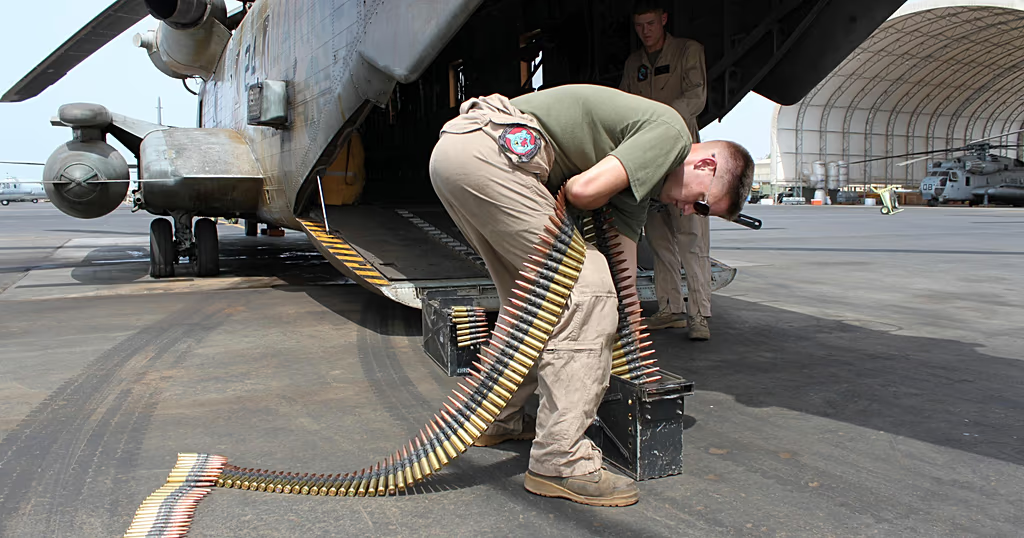
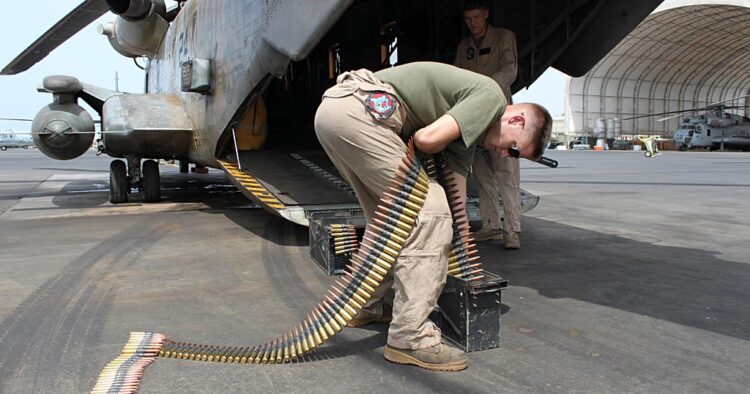
Camp Lemonnier, the only permanent US military base in Africa, located in Djibouti, is identified as a potential target for Iran and its allies in the future.
The article underscores the strategic significance of US military bases in the Middle East and the potential risks they face due to geopolitical tensions.
Actionable Takeaways:
Enhanced Security Measures for US Military Bases: Given the heightened risk of retaliatory attacks, US military bases in the Middle East, particularly Camp Lemonnier in Africa, should consider implementing enhanced security measures. This could include increased surveillance, improved communication protocols, and closer coordination with regional allies to mitigate potential threats.
Diversification of Military Presence: To reduce dependency on specific regions that are at risk of becoming targets, the US might consider diversifying its military presence across different strategic locations. This could involve establishing or strengthening military bases in other parts of Africa or other regions less likely to be targeted by Iran and its allies, thereby spreading risk and ensuring continued operational capability.
Strengthening Regional Alliances: The article highlights the importance of regional alliances in mitigating geopolitical risks. Countries hosting US troops should strengthen their diplomatic and military alliances with neighboring nations to create a more robust defense network. This could involve joint exercises, intelligence sharing, and coordinated response plans to enhance collective security.
Contextual Insights:
The ongoing conflict between the US and Iran in the Middle East underscores the volatile nature of geopolitical tensions in the region. The strategic importance of US military bases, such as Camp Lemonnier in Djibouti, cannot be overstated, given their role in projecting power and maintaining stability. The article’s focus on the potential vulnerability of these bases to Iranian retaliation highlights the need for proactive security measures. In the context of current travel industry trends, the emphasis on security and strategic positioning aligns with the growing importance of risk management and geopolitical awareness in travel planning and operations. As the travel industry continues to evolve, understanding and adapting to such geopolitical dynamics will be crucial for ensuring the safety and continuity of travel operations in high-risk regions.