




No products in the cart.
- Latest
- Trending

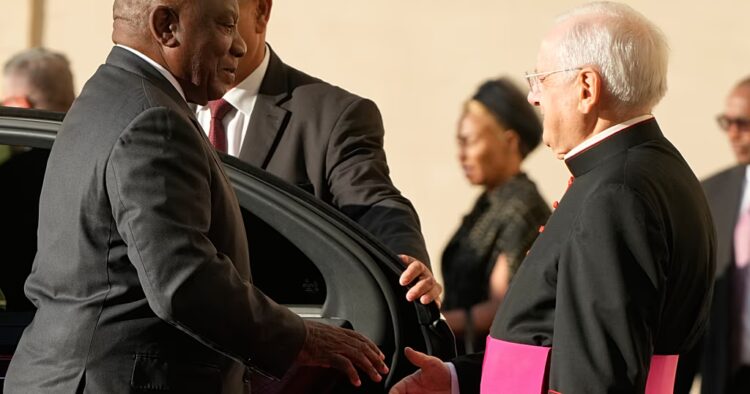
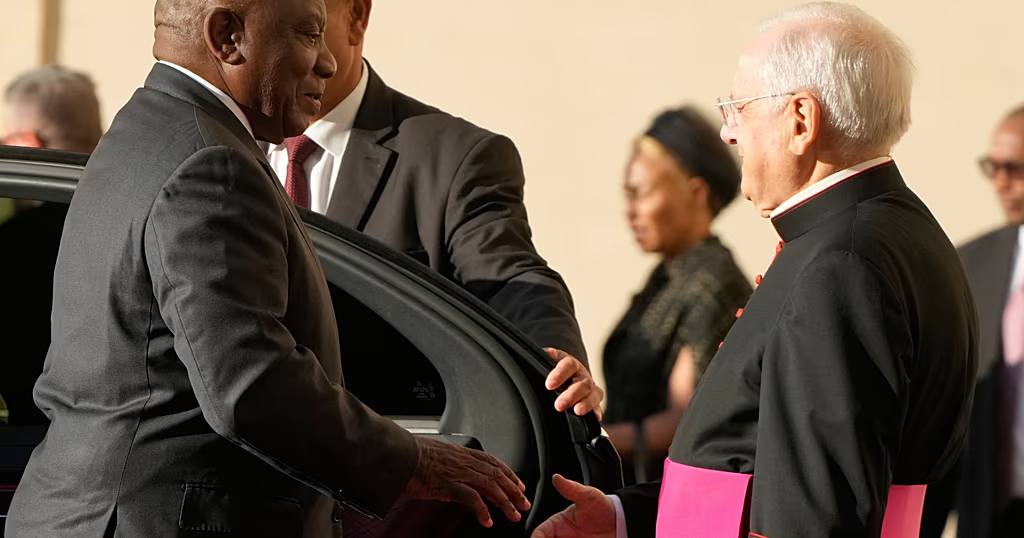
Pope Leo XIV hosts South African President Cyril Ramaphosa at Vatican
Article Summary:
The article reports on a diplomatic meeting between South African President Cyril Ramaphosa and Pope Leo XIV at the Vatican. This meeting, described as an effort to "foster mutual understanding," occurred just a day after U.S. President Donald Trump announced that no American officials would attend the upcoming G20 summit in South Africa. The context of this diplomatic engagement is set against the backdrop of brewing political tension, highlighting the importance of cultural exchange and mutual understanding in international relations.
Key Points:
Actionable Takeaways:
Contextual Insights:
The article reflects the current geopolitical climate, where international relations can significantly impact travel and diplomatic activities. The U.S. boycott of the G20 summit highlights the sensitivity of political decisions on travel and international events. In the travel industry, this context suggests a heightened focus on geopolitical stability and the potential for boycotts to disrupt travel plans. Moreover, the emphasis on cultural exchange aligns with emerging travel trends that prioritize meaningful, immersive experiences over traditional tourism. Thought leaders in the travel sector are likely to advocate for travel solutions that enhance cultural understanding, such as guided cultural tours, language immersion programs, and partnerships with international cultural institutions. These trends are expected to gain traction as travelers seek deeper connections with destinations, driven by a desire for authentic and culturally enriching experiences.
Read the Complete Article.
Get curated travel AI insights — choose the newsletters that matter to you.
ALTOUR Expands into Thailand, Strengthening Corporate Travel Network Across Southeast Asia BANGKOK, THAILAND (25 March, 2026) – ALTOUR, a leading...
Read moreDetails


Comprehensive Summarization: Far East Hospitality has announced the launch of exclusive travel packages celebrating the strong relations between Singapore and...
Read moreDetails