











No products in the cart.
- Latest
- Trending

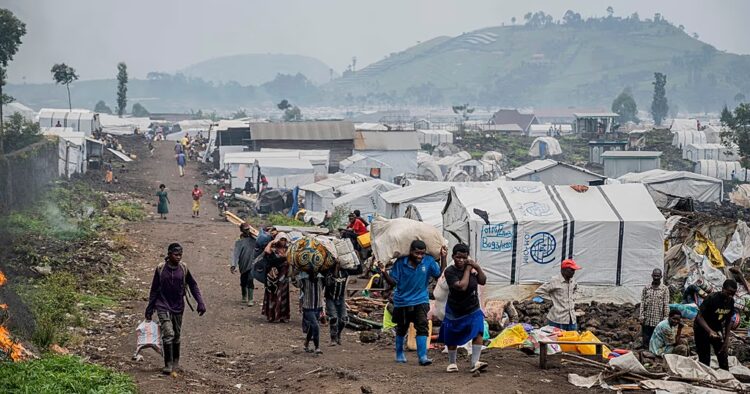
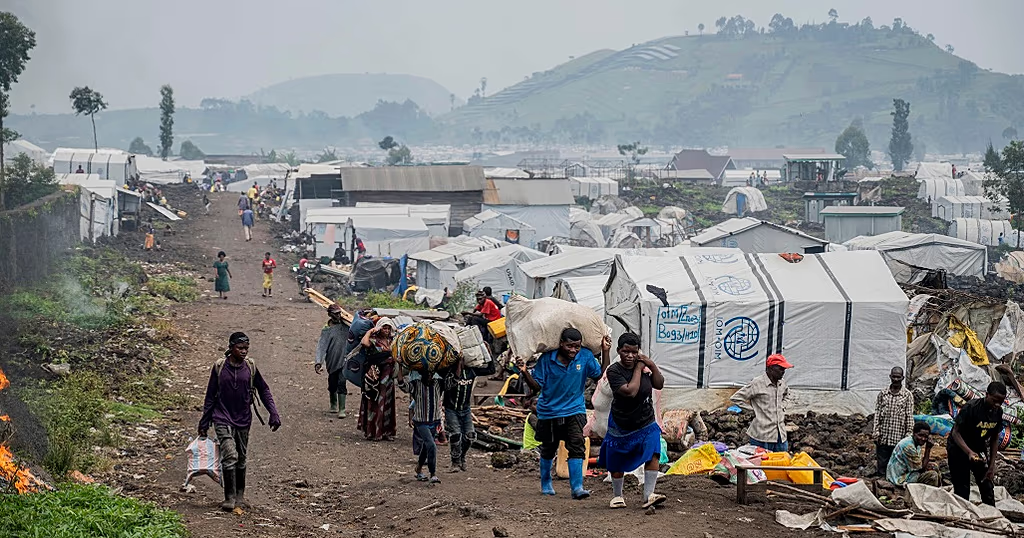
WFP highlights severe hunger Crisis in Eastern Democratic Republic
Article Summary:
The United Nations World Food Programme (WFP) has issued a dire warning regarding the escalating hunger crisis in the eastern Democratic Republic of the Congo. As of the latest report, three million people are now facing emergency levels of hunger, a figure that has nearly doubled in the past year. This alarming situation is exacerbated by relentless conflict and a severe funding crisis. The IPC food insecurity report confirms that nearly 25 million people across the region are experiencing high levels of hunger, with three million in the most critical phase (IPC4), facing immediate risk. Families are struggling to meet their basic needs, with many resorting to drastic measures such as skipping meals and selling off their assets, including animals.
Key Points:
Actionable Takeaways:
Contextual Insights:
The current hunger crisis in the eastern Democratic Republic of the Congo is a stark reminder of the vulnerabilities faced by vulnerable populations in conflict-affected regions. The situation highlights the critical role of international organizations like the WFP in providing emergency relief and long-term support. The funding crisis faced by the WFP underscores the broader challenges in securing resources for humanitarian efforts, particularly in regions plagued by conflict. This situation also emphasizes the importance of integrating food security considerations into broader peace and development strategies. In the context of travel and tourism, the region’s instability poses significant risks for travelers, and there may be a growing demand for travel advisories and insurance products that address humanitarian crises. Additionally, the situation could spur innovations in fintech solutions aimed at facilitating safe and efficient financial transactions for humanitarian aid and travel-related expenses in conflict zones.
Read the Complete Article.
Get curated travel AI insights — choose the newsletters that matter to you.
ALTOUR Expands into Thailand, Strengthening Corporate Travel Network Across Southeast Asia BANGKOK, THAILAND (25 March, 2026) – ALTOUR, a leading...
Read moreDetails


Comprehensive Summarization: The article reports on disruptions caused by the cancellation of three flights operated by Delta Air Lines and...
Read moreDetails