






No products in the cart.
- Latest
- Trending

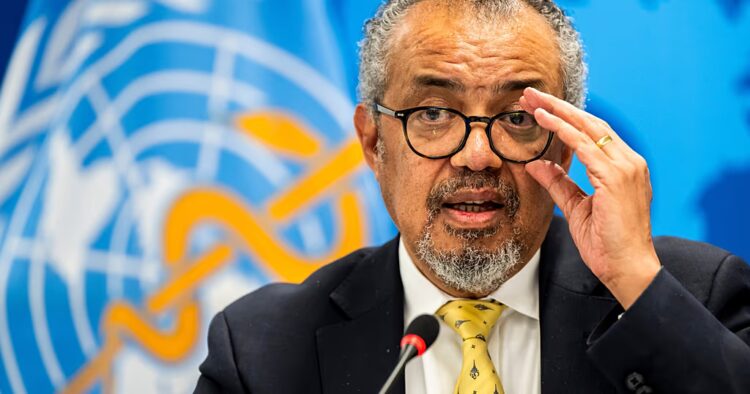
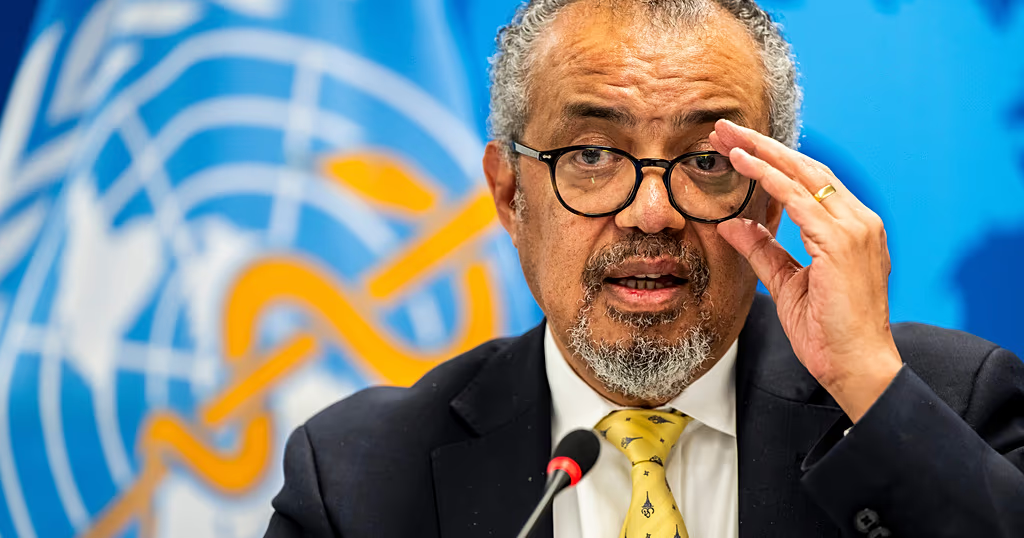
WHO chief looks back on a successful yet challenging 2025
Article Summary:
The World Health Organization (WHO) head, Tedros Adhanom Ghebreyesus, highlighted 2025 as a year marked by significant achievements in global health, alongside notable challenges. The adoption of the WHO Pandemic Agreement was identified as the year’s most significant achievement, symbolizing the power of multilateralism when countries cooperate over division. The WHO also validated 13 countries for disease elimination, issued guidance on new health innovations such as Lenacapavir for HIV prevention and GLP-1 therapies for obesity, and responded to 48 emergencies across 79 countries. These developments reflect both the progress and ongoing challenges in global health management.
Key Points:
Actionable Takeaways:
Enhanced Multilateral Cooperation in Health Initiatives: The adoption of the WHO Pandemic Agreement underscores the importance of international collaboration in addressing global health challenges. Travel and healthcare organizations should prioritize building strong partnerships with global health bodies to enhance response capabilities and resource sharing during health crises.
Investment in Medical Innovations: The validation of new health innovations, such as Lenacapavir and GLP-1 therapies, presents opportunities for investment and collaboration in the healthcare sector. Travel and tourism companies can explore partnerships with healthcare providers to offer integrated wellness and health services to travelers, leveraging these medical advancements to enhance the travel experience and promote health-conscious tourism.
Strengthening Emergency Response Systems: The WHO’s response to 48 emergencies across 79 countries highlights the critical need for robust emergency response systems in global health. Travel and tourism businesses should invest in advanced monitoring and response technologies to quickly adapt to and mitigate health-related disruptions in travel destinations, ensuring traveler safety and minimizing travel disruptions.
Contextual Insights:
The article reflects the ongoing challenges and achievements in global health management, particularly in the context of the COVID-19 pandemic and other health crises. The adoption of the WHO Pandemic Agreement signifies a shift towards more cooperative approaches in international health governance, emphasizing the importance of global partnerships in tackling health emergencies. This context is crucial for the travel industry, as it highlights the need for adaptive and resilient strategies to navigate health-related disruptions. The validation of new health innovations also points to a future where medical advancements play a significant role in shaping travel experiences, offering opportunities for travel companies to integrate health-focused services and products. Overall, the insights from the WHO underscore the interconnectedness of global health and travel, suggesting that advancements in one sector can significantly impact the other, particularly in terms of safety, health services, and traveler well-being.
Read the Complete Article.
Get curated travel AI insights — choose the newsletters that matter to you.
This spot is reserved for brands with a compelling story for the travel trade. They use this space to cut...
Read moreDetailsALTOUR Expands into Thailand, Strengthening Corporate Travel Network Across Southeast Asia BANGKOK, THAILAND (25 March, 2026) – ALTOUR, a leading...
Read moreDetails


Comprehensive Summarization: The article discusses the challenges facing Thailand's Songkran holiday period, a key indicator of the country's tourism health...
Read moreDetails