



No products in the cart.
- Latest
- Trending

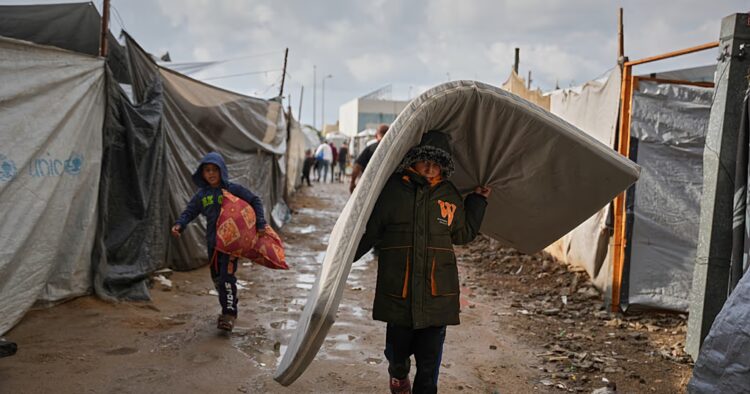
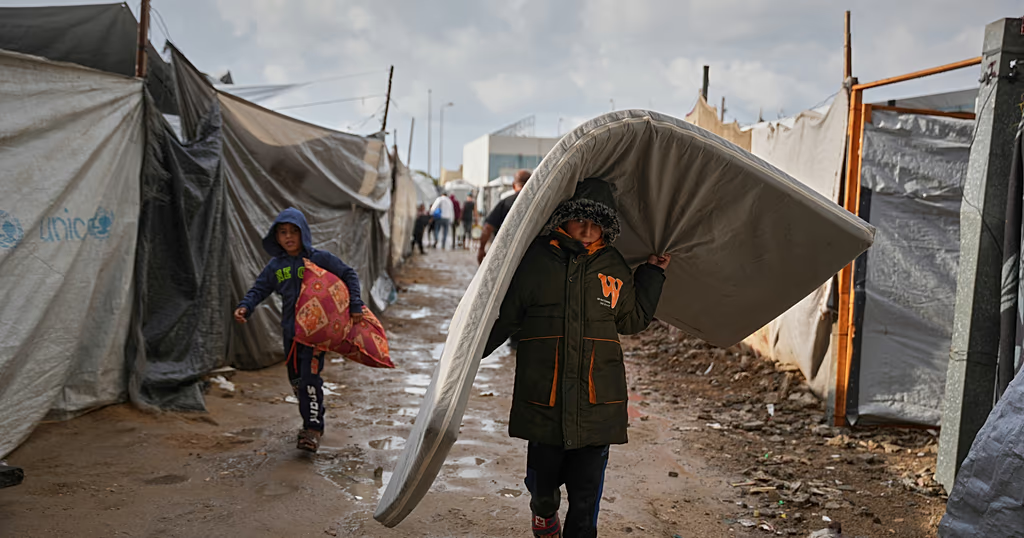
First strong winter rains soak Gaza's makeshift shelters
Article Summary:
The article reports on the impact of winter’s first strong rainfall on Gaza’s Muwasi tent camp, where residents are struggling with flooding and damaged infrastructure following two years of war. The heavy rains have caused water to seep through tarpaulins and makeshift shelters, leading to the destruction of families’ belongings and posing challenges for accessing scarce food and supplies. The situation is exacerbated by strong winds that can topple tents. The article also touches on the resilience of residents, such as Bassil Naggar, who recently purchased a new tent on the black market due to the deteriorating condition of his previous one.
Key Points:
Actionable Takeaways:
Contextual Insights:
The flooding in Gaza’s Muwasi tent camp is a stark reminder of the vulnerabilities faced by populations in conflict zones, particularly in terms of shelter and basic infrastructure. The article reflects broader trends in the travel and humanitarian sectors, where the resilience of displaced communities is a critical focus. Innovations in travel tech, such as portable, durable shelters and efficient supply chain solutions, are increasingly relevant in addressing the immediate needs of displaced populations. Furthermore, the article aligns with current industry trends emphasizing the importance of supporting local economies and enhancing emergency response capabilities in humanitarian crises. As travel and tourism sectors continue to evolve, integrating these insights can lead to more sustainable and impactful solutions for vulnerable communities worldwide.
Read the Complete Article.
Get curated travel AI insights — choose the newsletters that matter to you.
ALTOUR Expands into Thailand, Strengthening Corporate Travel Network Across Southeast Asia BANGKOK, THAILAND (25 March, 2026) – ALTOUR, a leading...
Read moreDetails


Comprehensive Summarization: Kenya Airways is capitalizing on record travel demand and a recent financial turnaround to expand its global network....
Read moreDetails