







No products in the cart.
- Latest
- Trending

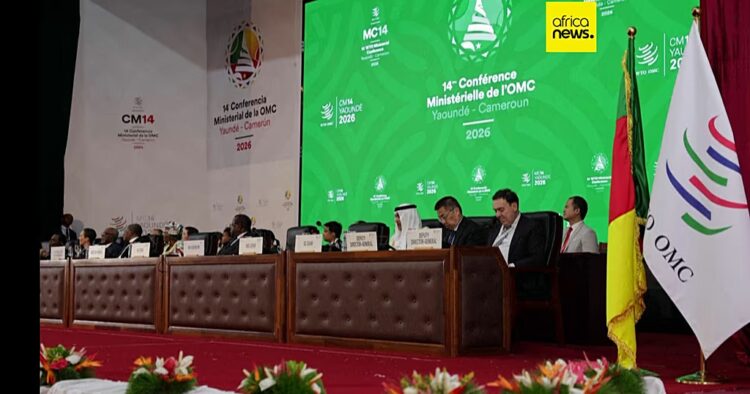
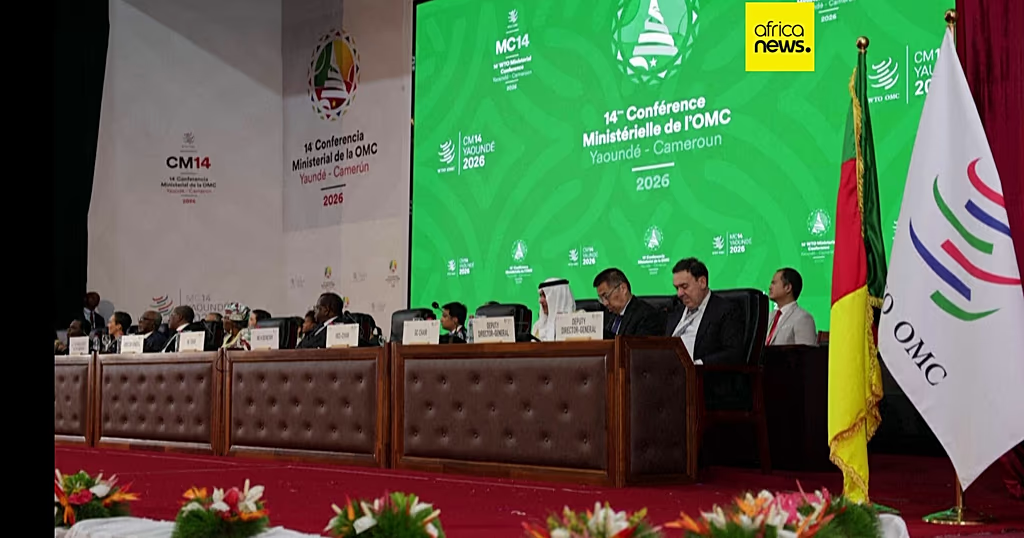
WTO talks in Yaounde end in deadlock over e-commerce customs duties
Comprehensive Summarization:
The World Trade Organization (WTO) talks in Yaounde concluded early Monday without reaching an agreement on key issues such as trade reform, agriculture, and the renewal of a global ban on customs duties for e-commerce. The negotiations were hindered by deep divisions among global trade ministers, leading to the failure of extending the moratorium on levies on cross-border digital transmissions. This setback is particularly significant for developed countries and the United States, as it impacts their digital trade interests. WTO Director-General Ngozi Okonjo-Iweala acknowledged the hard work put into the negotiations but expressed disappointment over the lack of progress.
Key Points:
Actionable Takeaways:
Impact on Digital Trade Policies: The failure to extend the moratorium on digital transmissions could lead to increased regulatory scrutiny and potential trade barriers for digital services, impacting businesses reliant on cross-border e-commerce. This development underscores the need for proactive policy adaptation in the digital trade sector.
Opportunity for Alternative Trade Agreements: The setback in WTO negotiations presents an opportunity for countries to explore bilateral or regional trade agreements that could address digital trade concerns more flexibly. This could foster innovation and growth in digital commerce while mitigating the risks associated with global trade disputes.
Contextual Insights:
The WTO talks reflect ongoing challenges in global trade negotiations, particularly in balancing the interests of developed and developing nations. The moratorium on customs duties for e-commerce is a critical issue, as it directly impacts the revenue streams of many countries and the operational models of e-commerce businesses. The inability to reach a consensus highlights the complexity of negotiating trade policies in an increasingly digitalized world. For travel startups and fintech companies, this situation emphasizes the importance of staying informed about global trade developments and being prepared to adapt to regulatory changes. The focus on digital trade also underscores the broader trend of technology shaping international commerce, suggesting that future trade agreements may increasingly prioritize digital issues.
Read the Complete Article.
Get curated travel AI insights — choose the newsletters that matter to you.
ALTOUR Expands into Thailand, Strengthening Corporate Travel Network Across Southeast Asia BANGKOK, THAILAND (25 March, 2026) – ALTOUR, a leading...
Read moreDetails


Comprehensive Summarization: The World Trade Organization (WTO) talks in Yaounde concluded early Monday without reaching an agreement on key issues...
Read moreDetails