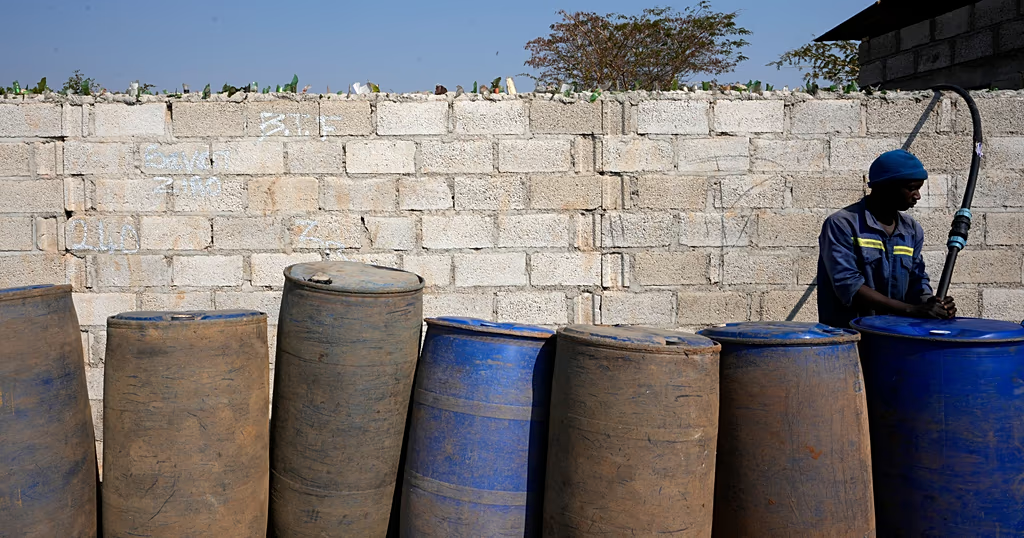
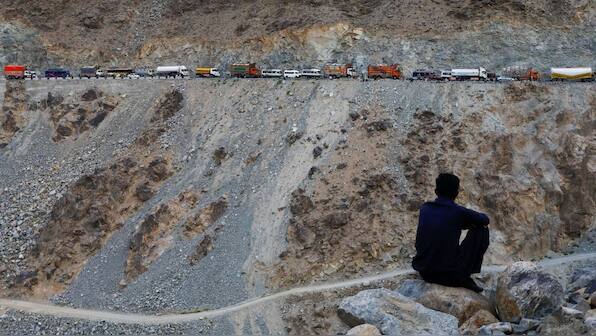
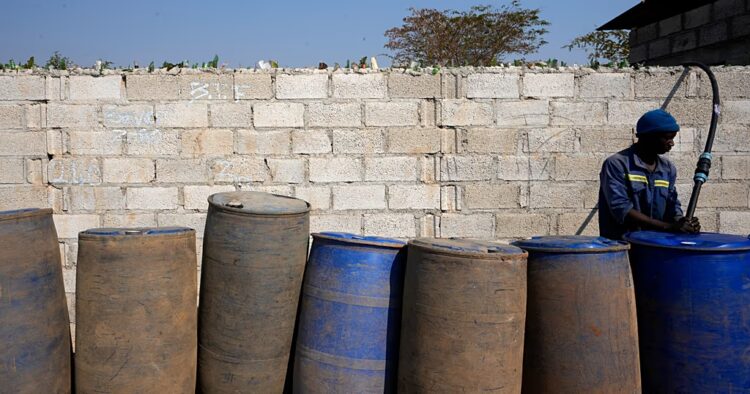
The article discusses the ongoing war in the Middle East and its impact on fuel prices, leading the Zambian government to declare the current fuel supply situation an emergency. Despite being far from the conflict, Zambian residents are experiencing supply disruptions due to Iran’s blockade of the Strait of Hormuz shipping lane. Local residents, Fredrick Nabuzoka and Fridah Mbiza, express frustration over the difficulty in obtaining fuel, emphasizing the need for the war to end for fuel supply to normalize. The article underscores the direct correlation between geopolitical events and fuel supply chains, highlighting the vulnerability of regions not directly involved in conflicts but still affected by global events.
Key Points:
The war in the Middle East is causing fuel prices to rise globally.
Iran’s blockade of the Strait of Hormuz is disrupting fuel supply chains.
Zambian residents are experiencing significant challenges in accessing fuel due to these disruptions.
The situation is prompting calls for the war to end to restore normal fuel supply.
Actionable Takeaways:
Supply Chain Resilience: Companies in the travel and logistics sectors should assess and enhance the resilience of their supply chains to mitigate risks associated with geopolitical events. This could involve diversifying suppliers, investing in alternative fuel sources, or developing contingency plans for supply disruptions.
Geopolitical Risk Assessment: Travel agencies and logistics providers should incorporate geopolitical risk assessments into their operational planning. Understanding the potential impacts of conflicts and blockades on fuel supply chains can help in making informed decisions and preparing for contingencies.
Investment in Alternative Energy Sources: Given the volatility in fuel prices and supply chains, there is a growing opportunity for investment in alternative energy sources and technologies. This could include electric vehicles, biofuels, or other sustainable energy solutions that could reduce dependency on volatile fuel supplies.
Contextual Understanding:
The article is set against the backdrop of a global conflict that has far-reaching implications beyond the immediate region. The blockade of the Strait of Hormuz, a critical shipping lane, exemplifies how geopolitical tensions can disrupt global supply chains, including those for essential commodities like fuel. This situation is particularly relevant for regions like Zambia, which are not directly involved in the conflict but are nonetheless affected by the resulting fuel shortages. The article also touches on broader themes of supply chain vulnerabilities and the need for strategic planning in the face of geopolitical uncertainties. In the context of the travel industry, such disruptions can lead to increased operational costs, delays, and challenges in maintaining service continuity. Forward-looking insights suggest that the travel industry must increasingly focus on risk management strategies that account for geopolitical risks, including the potential for fuel supply disruptions.
Handling Different Article Types:
The article in question is a news brief, providing factual information about a current event and its immediate impacts. The analysis above adheres strictly to the facts and context provided, ensuring that the summary, key points, and actionable takeaways are directly sourced from the article. This approach is consistent with the requirements for handling news blurbs, where the focus is on delivering accurate, concise, and actionable information to a professional audience.