

![[At one go] There was no reverse sweep Korean Air 'Champ Up With Winning Game 5'](https://images.traveltrade.today/wp-content/uploads/2026/04/Korean-Air-Triumphs-in-Game-5-Reverse-Sweep-Victory.jpg)














Travel Capitalist Ventures Expands Check Size to $10 Million to Deepen Emerging Market Conviction
Boutique Travel VC raises investment cap from $1.5M to $10M to lead rounds and support portfolio companies through growth Travel...
Read moreDetails
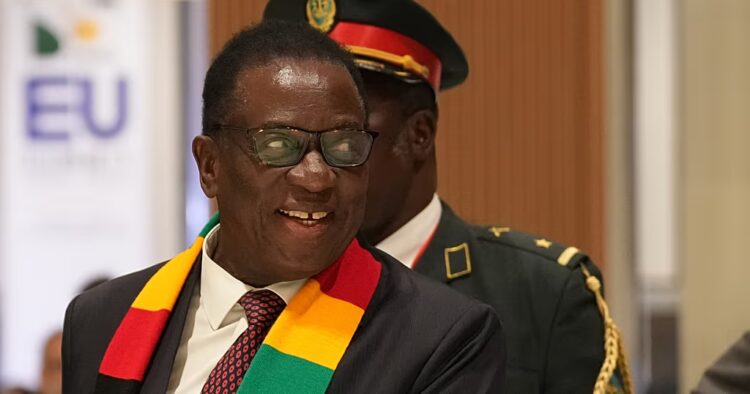
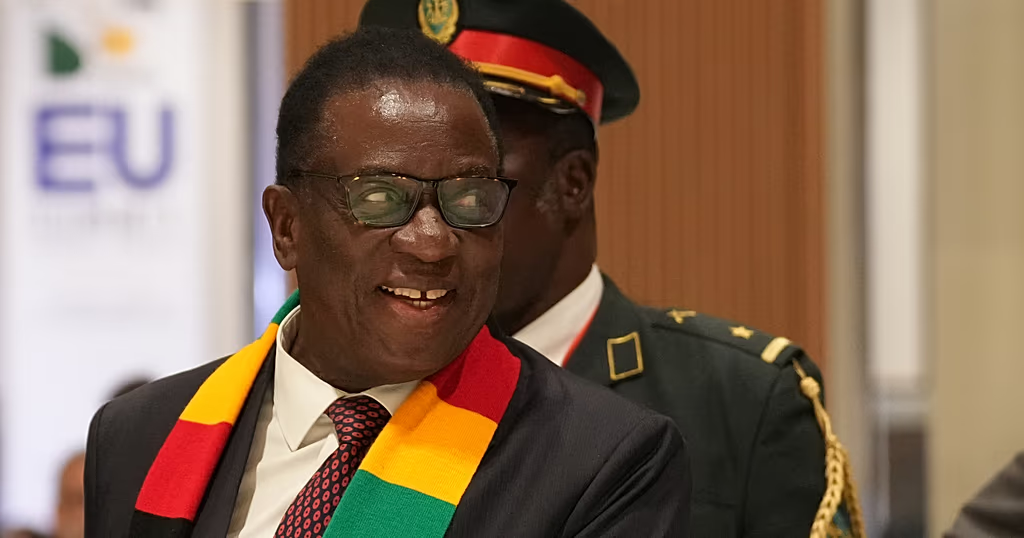
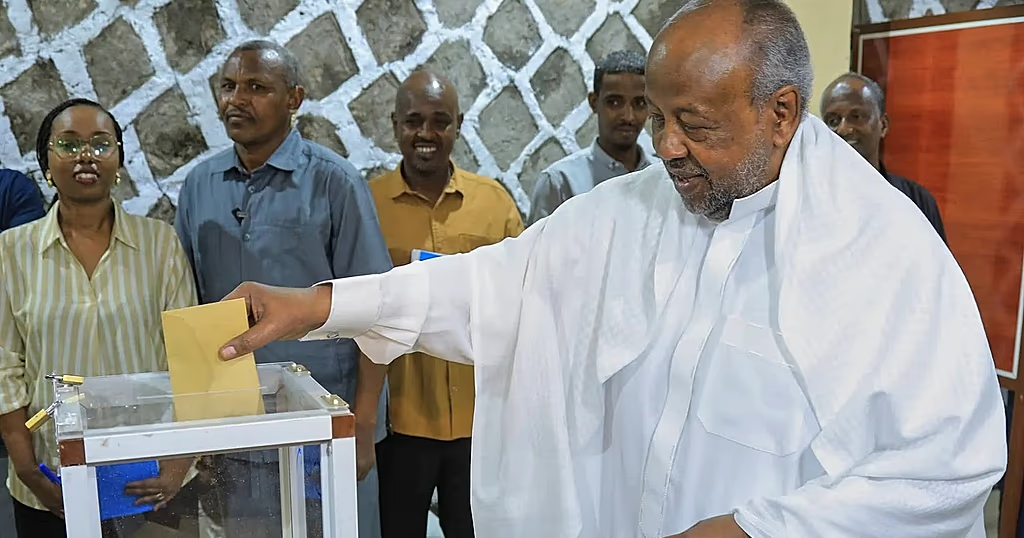
Zimbabwe cabinet agrees plan to extend president's term to 2030
Comprehensive Summarization:
The Zimbabwean cabinet recently approved significant constitutional changes aimed at extending President Emmerson Mnangagwa’s term until 2030. This move, part of a broader strategy to consolidate power, has sparked controversy among opposition figures who argue that any changes should be subject to a national referendum. Mnangagwa, who assumed office in 2017 following a military-backed coup that removed Robert Mugabe, has been in power since then. The amendments include extending the presidential term from five to seven years and shifting the presidential selection process from the electorate to parliament. These changes have been met with strong opposition, highlighting the political tensions surrounding the reforms.
Key Points:
Actionable Takeaways:
Political Stability Concerns: The extension of Mnangagwa’s term without a referendum raises concerns about political stability in Zimbabwe. Stakeholders in the travel industry should monitor the political climate, as it could impact tourism policies and investor confidence in the region.
Impact on Tourism Policies: Changes in political leadership and term lengths can lead to shifts in tourism policies. Travel companies should stay informed about any potential changes in visa regulations, travel advisories, or incentives for tourists, as these could directly affect market access and investment opportunities.
Contextual Insights:
The constitutional changes in Zimbabwe reflect broader trends of political instability and power consolidation in some African nations. This context is crucial for understanding the potential ripple effects on the travel industry. For instance, political uncertainty can lead to fluctuations in tourist arrivals, changes in travel advisories, and shifts in investment patterns. Thought leaders in the travel sector should consider these dynamics when formulating strategies for market entry, risk management, and long-term planning. Additionally, the shift to parliament selecting the president may influence diplomatic relations and international partnerships, which are vital for the travel and tourism sector’s growth and sustainability.
Read the Complete Article.
Boutique Travel VC raises investment cap from $1.5M to $10M to lead rounds and support portfolio companies through growth Travel...
Read moreDetails



Comprehensive Summarization: LVMH's wine and spirits division, Moet & Chandon, is ceasing local production of Chandon sparkling wine in India...
Read moreDetails
