Article Summary:
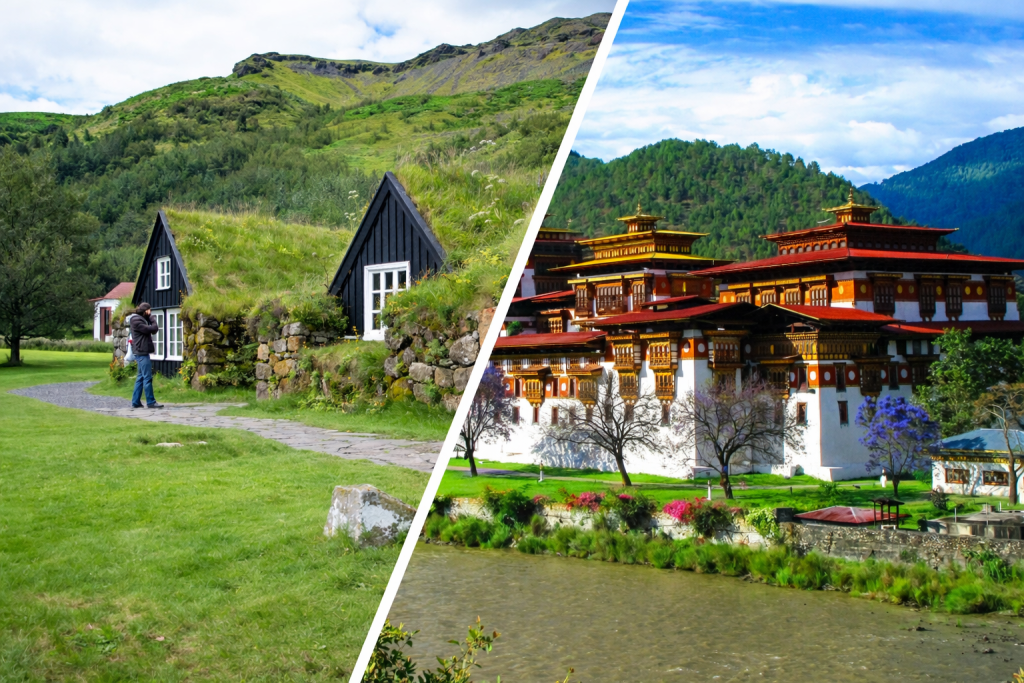
The article discusses a recent comparison between Iceland and Bhutan in local media, highlighting how Iceland is being viewed as a potential model for tourism and development. The comparison is based on Bhutan’s restrictive tourism model, which emphasizes sustainability and minimal environmental impact. The article also touches on broader travel trends and insights from thought leaders, emphasizing the importance of innovative tourism models that prioritize sustainability and responsible development.
Key Points:
Iceland is being compared to Bhutan in local media as a potential model for tourism and development.
Bhutan’s tourism model is characterized by its deliberate restrictions, which emphasize sustainability and minimal environmental impact.
The comparison suggests that Iceland could benefit from adopting a similar approach to tourism and development.
Actionable Takeaways:
Adopt Sustainable Tourism Models: Travel companies and destinations can learn from Bhutan’s approach by implementing stricter tourism regulations to ensure minimal environmental impact and promote sustainable tourism practices. This could involve limiting the number of visitors, enforcing eco-friendly practices, and investing in local communities to ensure that tourism benefits are shared equitably.
Focus on Responsible Development: The article underscores the importance of responsible development in tourism. Companies should prioritize projects that enhance local communities, preserve natural resources, and minimize ecological footprints. This could involve investing in renewable energy, supporting local conservation efforts, and ensuring that tourism infrastructure is designed with sustainability in mind.
Leverage Local Insights: Thought leaders suggest that destinations should leverage local knowledge and expertise to develop tourism strategies that are both sustainable and culturally respectful. This includes engaging with local communities to understand their needs and aspirations, and incorporating their perspectives into tourism planning and development.
Contextual Insights:
The comparison between Iceland and Bhutan reflects a growing trend in the travel industry towards sustainable and responsible tourism. As environmental concerns and consumer awareness about the impact of tourism on local communities and ecosystems continue to rise, destinations are increasingly seeking models that balance economic benefits with environmental stewardship. The article highlights the potential of Iceland as a case study for other “mountain nations” looking to adopt similar models. This trend is supported by recent insights from travel industry experts who emphasize the importance of integrating sustainability into tourism planning and development. By adopting these practices, destinations can not only enhance their appeal to eco-conscious travelers but also contribute to the long-term preservation of their natural and cultural heritage.