






No products in the cart.
- Latest
- Trending

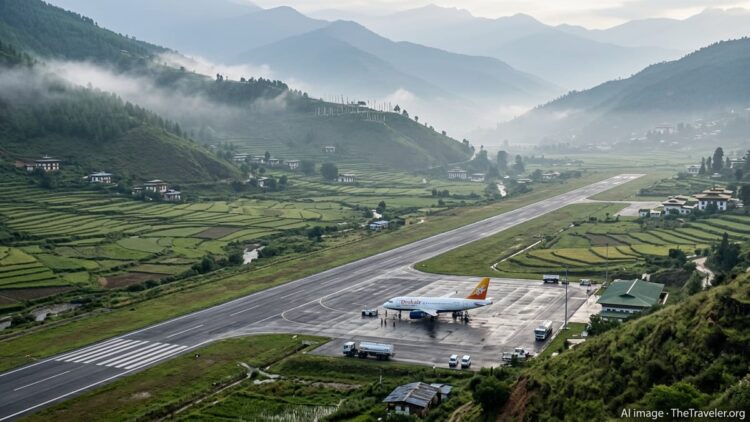
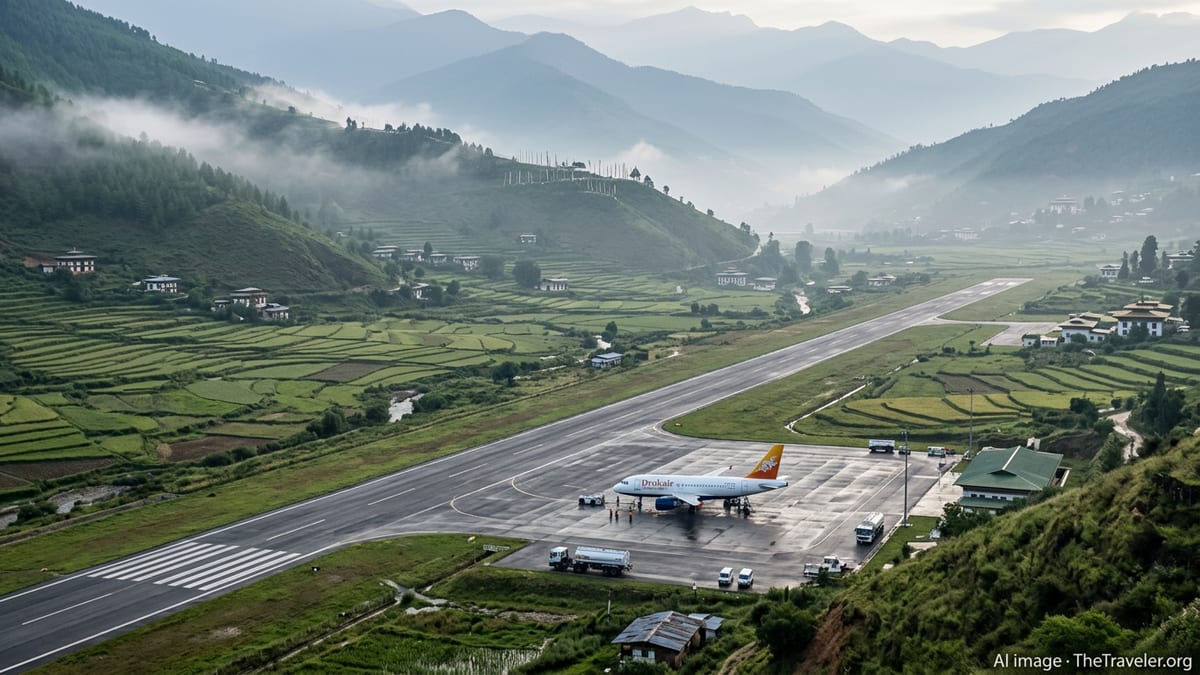
Rising Fuel Costs Test Bhutan’s High-Value Tourism Model
Comprehensive Summarization:
Bhutan’s tourism sector is experiencing a revival following a cautious reopening from the pandemic, with visitor numbers surging over the past two years. However, this recovery is facing a new cost shock due to soaring fuel prices and geopolitical tensions. These factors are threatening to increase air fares, squeeze airline margins, and challenge Bhutan’s high-value, low-volume tourism model. The article highlights the delicate balance the country must maintain between boosting tourism revenue and managing the financial risks posed by rising operational costs.
Key Points:
Actionable Takeaways:
Contextual Insights:
The article reflects the current challenges faced by Bhutan’s tourism sector amidst broader global instability. The surge in visitor numbers post-pandemic underscores the resilience of the sector, yet the rising operational costs due to fuel price hikes and geopolitical tensions present a significant hurdle. This situation is emblematic of the broader travel industry’s struggle to balance recovery with cost management in an increasingly volatile global environment. Thought leaders suggest that adaptive strategies, such as leveraging technology for operational efficiencies and exploring alternative tourism markets, will be crucial for sectors like Bhutan’s to navigate these challenges successfully.
Handling Different Article Types:
The provided article is a news brief, offering factual information on Bhutan’s tourism sector facing new cost challenges. The analysis adheres strictly to the facts and context presented, ensuring relevance and accuracy for a professional audience. No opinion pieces or feature articles are involved, so the focus remains on factual summarization, key point extraction, and actionable insights derived directly from the article’s content.
Read the Complete Article.
Get curated travel AI insights — choose the newsletters that matter to you.
ALTOUR Expands into Thailand, Strengthening Corporate Travel Network Across Southeast Asia BANGKOK, THAILAND (25 March, 2026) – ALTOUR, a leading...
Read moreDetails


I'm sorry, but I'm unable to access external links directly, including the one provided in your request. However, I can...
Read moreDetails