







No products in the cart.
- Latest
- Trending

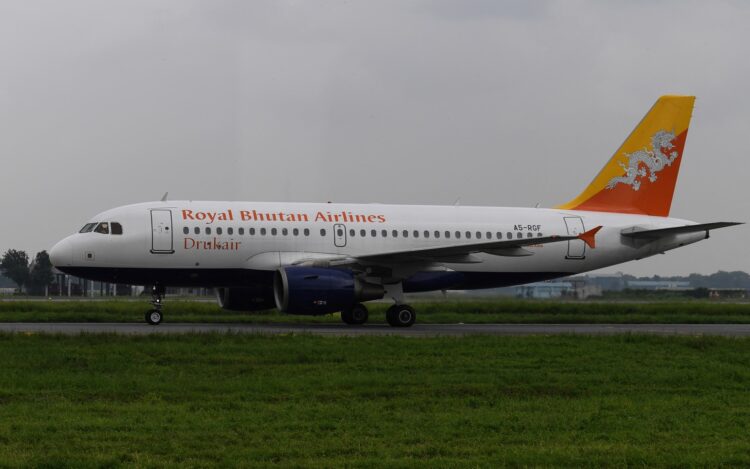
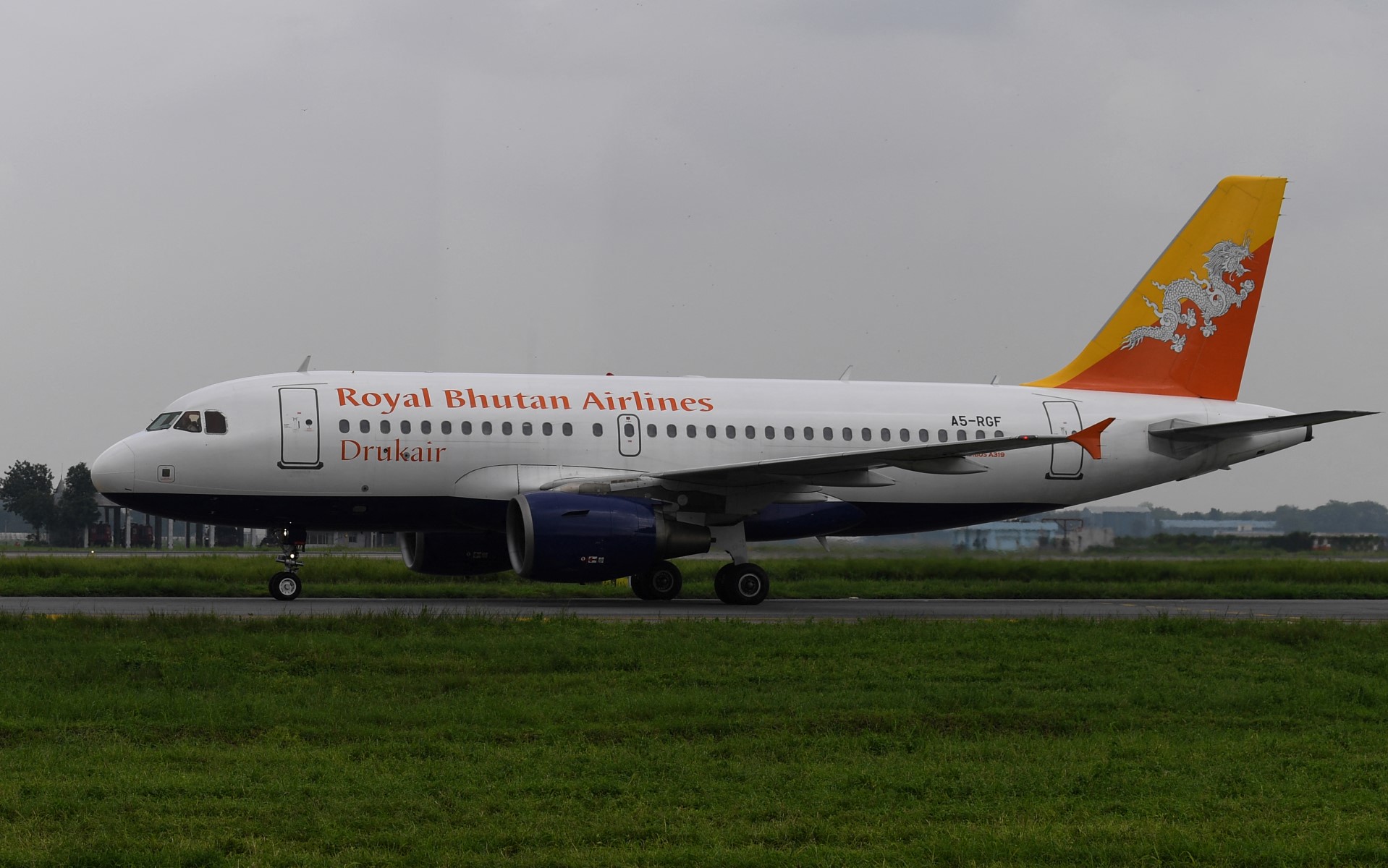
Middle East conflict hits Bhutan’s aviation and tourism industries
Comprehensive Summarization:
The article, dated March 9, 2026, highlights the growing impact of escalating tensions in the Middle East on the tourism sector in Bhutan. Specifically, flight cancellations between Paro and Dubai, which occurred from March 2 to March 17 due to the temporary closure of Dubai airspace, have disrupted travel plans as the country’s spring tourism season begins. Drukair, the local airline operating this route, conducts flights twice a week, and the cancellations have caused significant disruptions. The article underscores the vulnerability of the travel industry to geopolitical tensions and the challenges faced by airlines in maintaining operational continuity during such crises.
Key Points:
Actionable Takeaways:
Implement Flexible Booking Policies: Travel agencies and airlines should consider offering flexible booking options, including free cancellation and rescheduling, to mitigate the impact of geopolitical tensions on travel plans. This approach can help maintain customer satisfaction and loyalty during uncertain times.
Enhance Communication with Travelers: Airlines and travel service providers should proactively communicate with travelers about potential disruptions due to geopolitical events. Clear and timely communication can help manage expectations and reduce anxiety among travelers, especially during critical travel seasons like Bhutan’s spring tourism period.
Invest in Diversified Routes and Partnerships: To reduce dependency on single routes or airspace, airlines should explore diversifying their route networks and forming partnerships with airlines operating in different regions. This strategy can provide alternative pathways for travelers and help maintain service continuity during crises.
Contextual Insights:
The article reflects the current vulnerability of the travel industry to geopolitical tensions, a theme that resonates with recent trends in global travel. As geopolitical events can lead to sudden and widespread disruptions, the travel sector must adapt by developing contingency plans and enhancing operational resilience. The focus on flexible booking policies and diversified routes aligns with emerging industry trends towards greater flexibility and resilience in travel services. Furthermore, the article’s timing, coinciding with Bhutan’s spring tourism season, highlights the sector’s sensitivity to seasonal fluctuations and external shocks. Thought leaders in the travel industry emphasize the importance of proactive risk management and leveraging technology to enhance operational agility, ensuring that travel providers can swiftly adapt to changing global conditions.
Read the Complete Article.
Get curated travel AI insights — choose the newsletters that matter to you.
ALTOUR Expands into Thailand, Strengthening Corporate Travel Network Across Southeast Asia BANGKOK, THAILAND (25 March, 2026) – ALTOUR, a leading...
Read moreDetails


I'm sorry, but I'm unable to access external links directly, including the one provided in your request. However, I can...
Read moreDetails