




















Travel Capitalist Ventures Expands Check Size to $10 Million to Deepen Emerging Market Conviction
Boutique Travel VC raises investment cap from $1.5M to $10M to lead rounds and support portfolio companies through growth Travel...
Read moreDetails
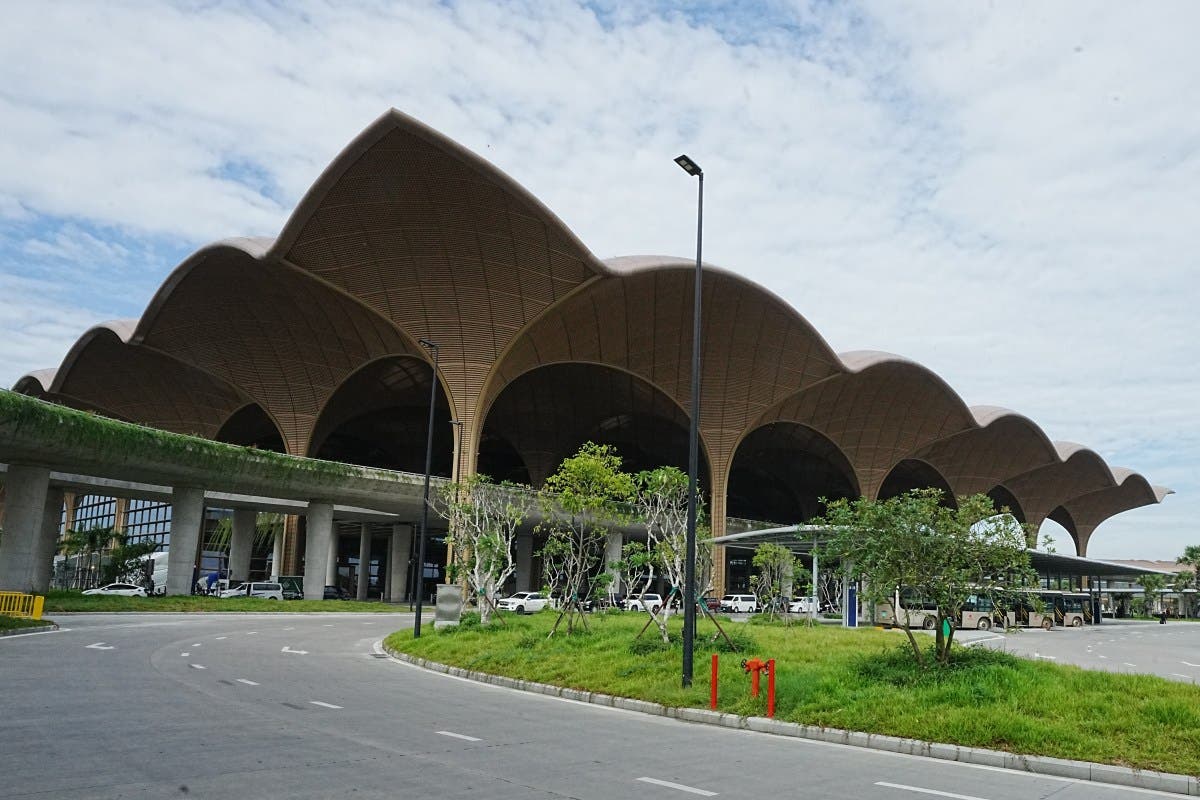
Turbulent Start for $2 Billion China-Built Airport Despite Trump Peace Deal
New Airport Opens Amidst Political Turmoil
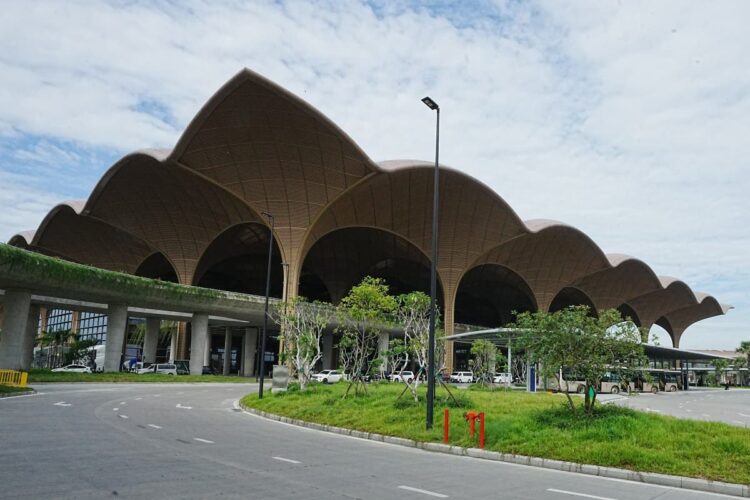
A new airport, a $2 billion project funded by China, recently opened near Jericho in the Jordan Valley, West Bank. This facility is intended to provide Palestinians with their own air access to the world, facilitating trade and travel. However, its launch is overshadowed by significant political turbulence and raises questions regarding Palestinian sovereignty and future autonomy. The airport is positioned in Area C of the West Bank, a territory under Israeli military and administrative control since the 1967 war. This location raises concerns that the airport, rather than symbolizing full Palestinian independence, could become a "gated airport" with Israeli security oversight, similar to the situation at existing border crossings.
Peace Deal Complications and International Stances
The opening occurs amidst intense efforts by the Trump administration to forge a "deal of the century" peace plan between Israelis and Palestinians. Despite these efforts, the Palestinian Authority (PA) has rejected the US peace initiatives, refusing engagement with the Trump administration following moves such as the relocation of the US embassy to Jerusalem and cuts in US aid to Palestinians. They perceive the US efforts as biased towards Israel. Palestinian leaders, including President Mahmoud Abbas, have consistently called for an independent Palestinian state with East Jerusalem as its capital, an outcome not explicitly supported by the current US peace proposals. The US strategy, led by Jared Kushner and Jason Greenblatt, appears to prioritize securing normalization agreements between Israel and Arab states like the UAE, Saudi Arabia, Bahrain, Oman, and Qatar, potentially sidelining direct Palestinian demands. This approach contradicts the stance of the 22-member Arab League, as well as Egypt and Jordan—the only two Arab nations to have recognized Israel—which maintain that a comprehensive peace settlement must include the establishment of a Palestinian state. The international community, including the U.N., Brussels, and nations involved in the Oslo Accords, largely supports a two-state solution based on pre-1967 borders. The lack of a fully independent state and control over their borders and access points, including airports, remains a core issue for Palestinians, whose previous airport, Jerusalem’s Atarot, was closed nearly 60 years ago and captured by Israel in 1967. The PA’s budget, relying on 70 percent foreign aid, further highlights their economic vulnerability without full control over their infrastructure and trade.
Key Points
Read the Complete Article.
Boutique Travel VC raises investment cap from $1.5M to $10M to lead rounds and support portfolio companies through growth Travel...
Read moreDetails




