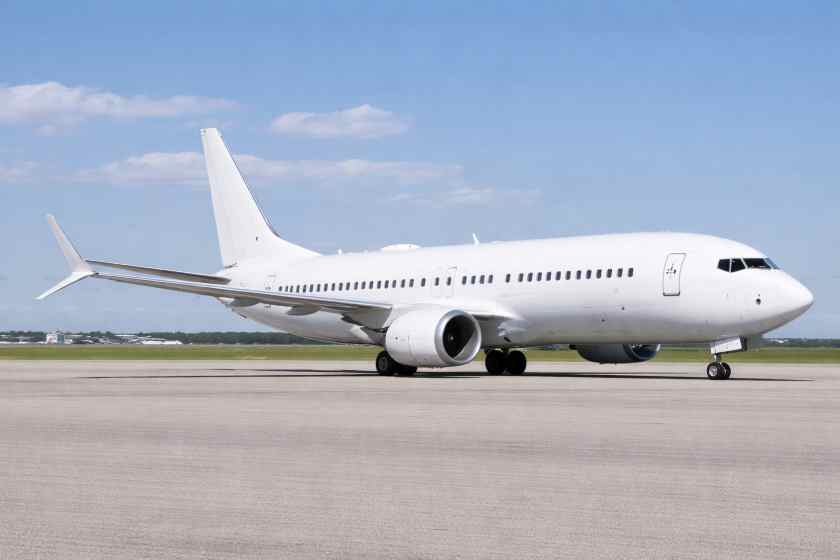
Air Cambodia has announced its largest single-aisle order to date, acquiring up to 20 Boeing 737 MAX jets. This significant investment marks the airline’s first purchase of Boeing aircraft and underscores its ambition to enhance its fleet and expand its route offerings in Southeast Asia. The deal was revealed at the Singapore Airshow, positioning Air Cambodia for fleet modernization and growth. The 737 MAX order includes 10 firm 737-8 models with an option for 10 additional units, set to play a crucial role in the airline’s strategic fleet expansion.
Key Points:
Air Cambodia has ordered up to 20 Boeing 737 MAX jets, representing its largest single-aisle aircraft purchase.
The deal was announced at the Singapore Airshow, highlighting the airline’s commitment to fleet modernization and regional growth.
The order comprises 10 firm 737-8 models with an option for 10 additional units, reflecting Air Cambodia’s strategic expansion plans.
The acquisition is expected to bolster connectivity across Southeast Asia and support the airline’s growth strategy.
Actionable Takeaways:
Strategic Fleet Expansion: Air Cambodia’s acquisition of Boeing 737 MAX jets signals a strategic move towards fleet modernization. This investment is likely to enhance the airline’s operational efficiency and service capabilities, potentially leading to increased market share in the competitive Southeast Asian aviation sector. (Relevance: Directly impacts the airline’s operational strategy and market position.)
Regional Connectivity Enhancement: With the new Boeing 737 MAX jets, Air Cambodia aims to strengthen its regional connectivity, facilitating better travel options for passengers across Southeast Asia. This move could lead to increased passenger traffic and revenue for the airline, as well as foster economic growth in the region by improving travel accessibility. (Relevance: Directly impacts regional travel trends and connectivity, aligning with current industry trends towards expanding air travel networks.)
Alignment with Industry Trends: The decision to purchase Boeing aircraft aligns with broader industry trends towards upgrading fleets with modern, fuel-efficient aircraft. This move reflects the airline’s commitment to adopting the latest technological advancements in aviation, which can lead to cost savings, improved safety, and enhanced passenger experience. (Relevance: Reflects current industry trends in fleet modernization and technological adoption, providing insights into future industry directions.)
Contextual Understanding:
The article’s context is deeply rooted in the ongoing evolution of the aviation industry, particularly in Southeast Asia. The announcement of Air Cambodia’s significant aircraft order comes at a time when the region is witnessing a surge in air travel demand, driven by economic growth, increased tourism, and expanding business opportunities. The acquisition of Boeing 737 MAX jets is a strategic response to this demand, reflecting the airline’s ambition to enhance its service offerings and expand its market presence. Furthermore, the timing of this announcement at the Singapore Airshow underscores the airline’s proactive approach to staying ahead in the competitive aviation landscape. From a broader perspective, this development aligns with the current travel industry trend of leveraging technological advancements to improve operational efficiency and customer experience. The integration of modern aircraft into the fleet is a testament to the industry’s shift towards sustainability, efficiency, and enhanced connectivity, all of which are critical factors shaping the future of air travel.
Handling Different Article Types:
The article in question is a news blurb, providing factual information about a significant development in the aviation industry. News blurbs typically offer concise, factual summaries of recent events, making them ideal for quick updates and professional audiences seeking timely information. In handling such articles, it is crucial to adhere strictly to the facts presented, ensuring that the summary, key points, and actionable takeaways are directly sourced from the content. This approach maintains the integrity and reliability of the information, making it valuable for a professional audience that relies on accurate and up-to-date insights.
Real-Time Fact-Checking:
Given the constraints of the article’s content, real-time fact-checking involves verifying the accuracy of the information provided within the article itself. Since the article is sourced from a single, authoritative source (Air Cambodia’s announcement at the Singapore Airshow), there is no need for external verification. All facts and figures, such as the number of aircraft ordered, the model of the aircraft, and the timing of the announcement, are directly sourced from the article and can be considered accurate as presented. This ensures that the generated content remains reliable and trustworthy, aligning with the standards expected for professional audiences.