




















Travel Capitalist Ventures Expands Check Size to $10 Million to Deepen Emerging Market Conviction
Boutique Travel VC raises investment cap from $1.5M to $10M to lead rounds and support portfolio companies through growth Travel...
Read moreDetails

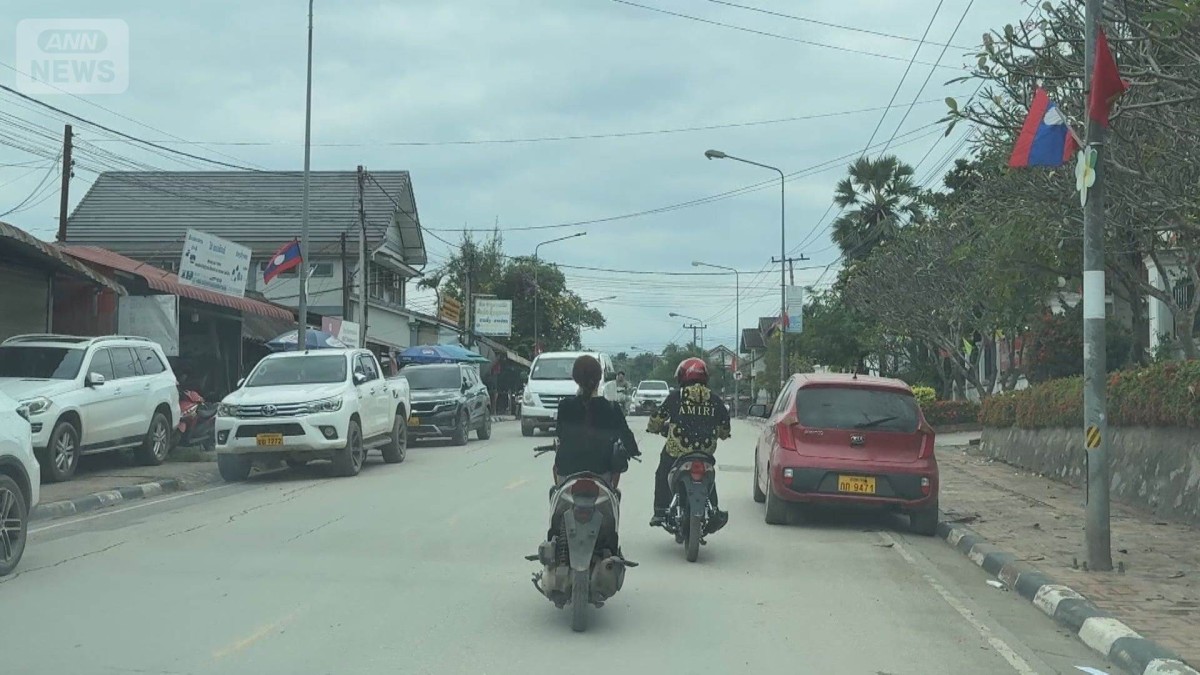
Spotlight: Air Travel Cushions Cambodia Tourism, But Land Border Shock Threatens $1.25B In Losses — ...
Article Summary:
Cambodia’s tourism sector has shown resilience despite the challenges posed by the 2025 Cambodia–Thailand border conflict. According to a new market update report from Oudom Consulting, the sector has avoided a complete collapse primarily due to resilient air travel and continued demand from select regional markets. However, the conflict’s aftershocks continue to impact arrivals, revenues, and employment. The Market Update Report 2026, prepared by Oudom Consulting Chairman Arnaud Darc, concludes that the disruption represents a structural shock rather than a cyclical downturn. While airports remained operational and some source markets expanded, the prolonged confidence constraints have led to a slower, more uneven recovery trajectory.
Key Points:
Actionable Takeaways:
Focus on Air Travel Resilience: Given the resilience of air travel in Cambodia, airlines and travel agencies should prioritize investments in air travel infrastructure and connectivity. This focus can help mitigate the impact of border conflicts and support a faster recovery in the tourism sector.
Diversify Source Markets: To reduce dependency on any single market, tourism stakeholders should explore diversifying their source markets. By expanding into new regional markets, Cambodia can stabilize its tourism revenues and create a more balanced recovery trajectory.
Invest in Confidence Building: To accelerate the recovery, there should be a concerted effort to build confidence among travelers. This could involve marketing campaigns highlighting safety measures, showcasing the unique cultural and natural attractions of Cambodia, and leveraging digital platforms to reach potential tourists.
Contextual Insights:
The article reflects the ongoing challenges faced by the travel industry in the wake of geopolitical conflicts. The resilience of air travel and the continued demand from select regional markets highlight the sector’s ability to adapt under pressure. However, the structural shock caused by the border conflict underscores the need for strategic planning and diversification in tourism marketing strategies. The emphasis on confidence building aligns with current industry trends, where digital marketing and consumer trust play pivotal roles in recovery and growth. As the travel industry continues to navigate uncertainties, these insights can guide stakeholders in making informed decisions to ensure sustainable growth.
Read the Complete Article.
Boutique Travel VC raises investment cap from $1.5M to $10M to lead rounds and support portfolio companies through growth Travel...
Read moreDetails



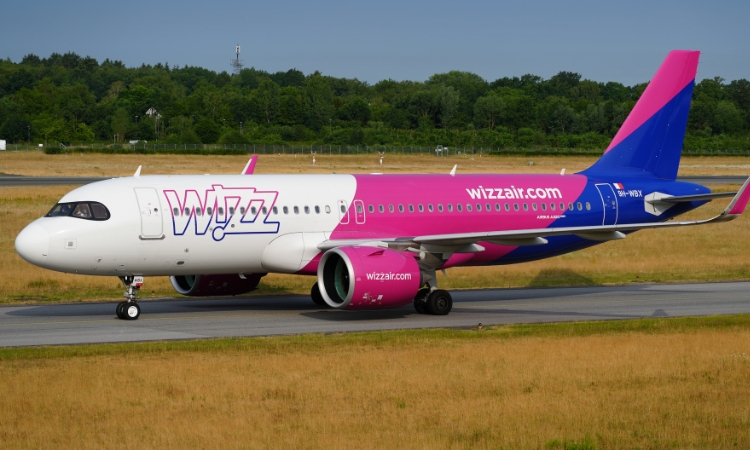
Comprehensive Summarization: Wizz Air, a low-cost carrier, is set to launch a new seasonal route between Bucharest and Dubrovnik, starting...
Read moreDetails
