
























Travel Capitalist Ventures Expands Check Size to $10 Million to Deepen Emerging Market Conviction
Boutique Travel VC raises investment cap from $1.5M to $10M to lead rounds and support portfolio companies through growth Travel...
Read moreDetails

Cambodia’s Angkor Temples See Dramatic Fall In Visitors As Deadly Border Disputes With Thailand Rava...
Article Summary:
The article reports a significant decline in visitors to Cambodia’s Angkor Temples due to a deadly border dispute between Cambodia and Thailand, which has severely impacted Siem Reap’s tourism industry. The conflict has led to travel cancellations, disrupted peak tourism season, and left local businesses struggling for survival. Despite reassurances that the area remains safe, the destination faces an uncertain future as key overland routes remain closed.
Key Points:
Actionable Takeaways:
Diversify Tourism Offerings: To mitigate risks associated with geopolitical tensions, tourism operators should diversify their offerings to include alternative destinations or experiences that are less susceptible to regional conflicts.
Enhance Risk Management Strategies: Travel agencies and businesses should develop robust risk management strategies, including insurance plans and contingency plans for sudden travel disruptions.
Strengthen Regional Partnerships: Collaborating with neighboring countries to resolve border disputes can help stabilize tourism flows and ensure long-term economic benefits.
Contextual Insights:
The article reflects the current challenges faced by the travel industry in the wake of geopolitical tensions, a theme that resonates with recent trends emphasizing the need for resilience and adaptability. The Angkor Temples, a UNESCO World Heritage site, have historically been a cornerstone of Cambodia’s tourism economy, and their decline underscores the vulnerability of such key destinations to external shocks. This situation highlights the importance of forward-looking strategies in travel planning and business operations, as well as the critical role of technology in managing risks and enhancing customer experiences. Thought leaders in the travel industry are increasingly advocating for the integration of advanced analytics and AI-driven solutions to anticipate and mitigate the impacts of such disruptions, ensuring that the sector remains robust and responsive to global challenges.
Read the Complete Article.
Boutique Travel VC raises investment cap from $1.5M to $10M to lead rounds and support portfolio companies through growth Travel...
Read moreDetails



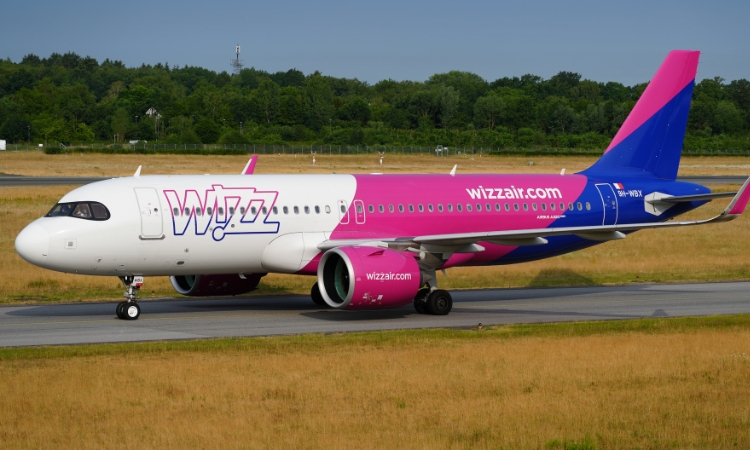
Comprehensive Summarization: Wizz Air, a low-cost carrier, is set to launch a new seasonal route between Bucharest and Dubrovnik, starting...
Read moreDetails
