



















Travel Capitalist Ventures Expands Check Size to $10 Million to Deepen Emerging Market Conviction
Boutique Travel VC raises investment cap from $1.5M to $10M to lead rounds and support portfolio companies through growth Travel...
Read moreDetails
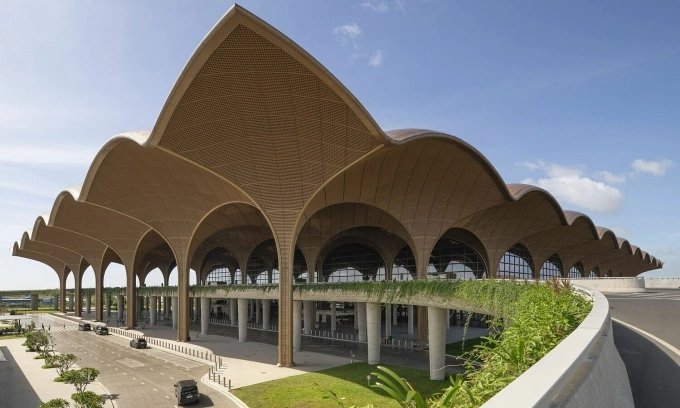
Inside Cambodia’s largest airport poised to boost tourism amid scam crisis
Cambodia’s New Largest Airport Opens, Aiming to Boost Tourism Amidst Scam Crisis
Cambodia’s largest airport, the Techo Takhmao International Airport (TIA) located 40 kilometers south of Phnom Penh, has opened and is poised to significantly boost the country’s tourism sector. The new airport, which began operations in early July, replaces the Phnom Penh International Airport.
The TIA is designed to handle a substantial volume of passengers, with an initial capacity of 7 million passengers annually. This figure is expected to rise to 13 million passengers annually by 2030 and a remarkable 30 million by 2050, demonstrating the ambitious growth projections for Cambodian tourism. The airport’s infrastructure includes a 3,600-meter runway, capable of accommodating wide-body aircraft.
The development of TIA is a significant investment, costing over $1.5 billion, with the majority funded by Chinese loans. The airport’s construction was undertaken by the China State Construction Engineering Corporation. The project aligns with Cambodia’s broader economic development goals, aiming to attract more international visitors and facilitate trade.
Despite the airport’s opening, Cambodia faces challenges, notably a growing scam crisis that has deterred some tourists. The government is reportedly working to address these issues, and the new airport is seen as part of a larger strategy to enhance Cambodia’s appeal as a travel destination. The TIA’s modern facilities and increased capacity are intended to provide a positive first impression for arrivals and streamline travel for both tourists and business travelers.
The transition from the old Phnom Penh International Airport to the new TIA is a key development for Cambodia’s aviation infrastructure. The larger scale and advanced capabilities of the Techo Takhmao International Airport are expected to play a crucial role in the country’s post-pandemic recovery and its long-term tourism objectives.
Key Points
Read the Complete Article.
Boutique Travel VC raises investment cap from $1.5M to $10M to lead rounds and support portfolio companies through growth Travel...
Read moreDetails




