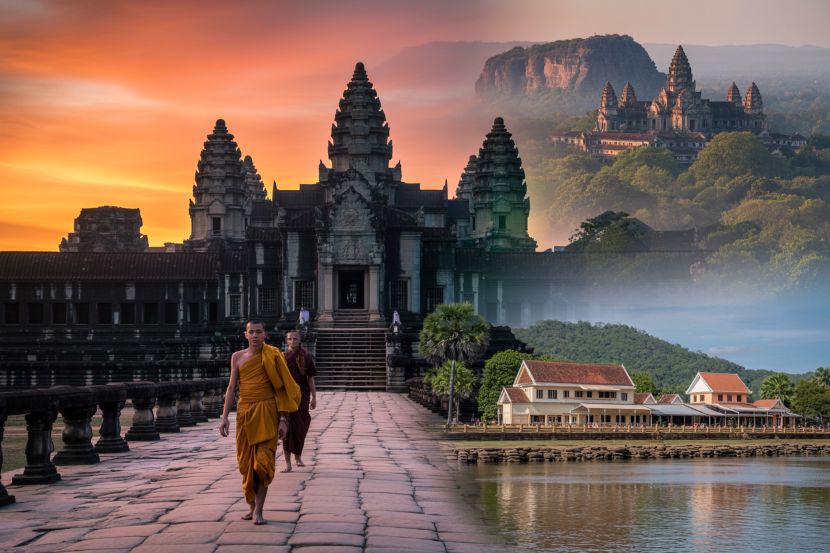
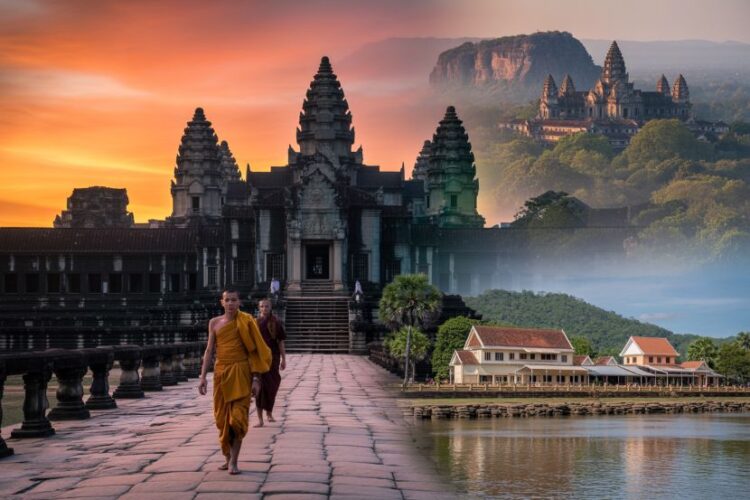
Cambodia is set to elevate its tourism appeal significantly in 2026, marking 75 years of UNESCO membership with a strategic focus on tourism, heritage protection, and creative industries. The country, led by Phnom Penh, aims to reposition itself as a diversified, high-value destination. Key attractions such as Angkor Wat, Preah Vihear, and Battambang will be at the forefront of this tourism push. This initiative is not merely a ceremonial celebration but a deliberate strategy to enhance Cambodia’s position in the global tourism market, leveraging its rich cultural heritage and UNESCO recognition.
Key Points:
Cambodia is preparing for a landmark 2026 tourism push, celebrating 75 years of UNESCO membership.
The focus of this tourism push includes heritage protection, creative industries, and positioning Phnom Penh as a diversified destination.
Key attractions such as Angkor Wat, Preah Vihear, and Battambang will be highlighted in the tourism strategy.
The initiative aims to reposition Cambodia as a high-value destination, leveraging its cultural heritage and UNESCO recognition.
Actionable Takeaways:
Leverage UNESCO Recognition for Tourism Growth: Cambodia’s strategic focus on its UNESCO heritage sites presents an opportunity for travel agencies and tour operators to develop specialized packages that highlight Cambodia’s rich cultural heritage. This could include guided tours, heritage preservation workshops, and cultural exchange programs, attracting both domestic and international tourists seeking authentic experiences.
Invest in Heritage Preservation: To capitalize on the tourism push, there is a need for increased investment in the preservation and maintenance of Cambodia’s historical sites. This includes funding for restoration projects, training local preservation teams, and implementing sustainable tourism practices. Such investments not only enhance the visitor experience but also contribute to the long-term economic benefits of the tourism sector.
Develop Cultural Immersion Programs: Given the emphasis on creative industries and cultural heritage, travel companies should explore partnerships with local artists, artisans, and cultural practitioners to create immersive experiences. This could involve workshops, cultural festivals, and interactive tours that allow tourists to engage directly with Cambodia’s artistic traditions, thereby enriching their travel experience and supporting local economies.
Contextual Insights:
The article reflects a broader trend in the travel industry towards destination repositioning and strategic tourism planning, particularly in countries with rich cultural and historical assets. The emphasis on UNESCO recognition underscores the growing importance of cultural heritage in attracting tourists and fostering sustainable tourism growth. This approach aligns with current industry trends that prioritize authenticity, cultural immersion, and sustainable practices. As travel agencies and tourism stakeholders, it is crucial to integrate these insights into strategic planning, ensuring that destinations like Cambodia are positioned as premium, high-value travel destinations that offer unique, enriching experiences for global travelers.