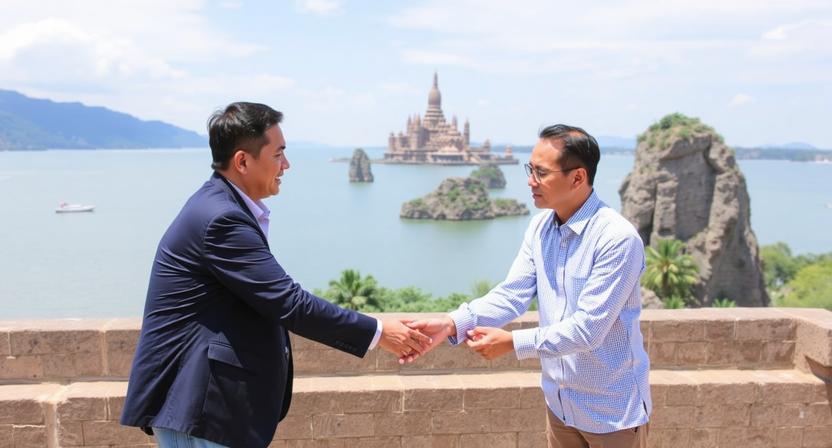
The article reports on a significant tourism cooperation agreement signed between the Cambodia Association of Travel Agents (CATA) and the Ministry of Tourism in Cambodia. This agreement aims to foster sustainable growth, enhance the country’s regional competitiveness, and attract more international visitors. The commitment to sustainable growth was reaffirmed during a courtesy visit by Huot Hak, the Minister of Tourism, on January 9, 2026. The agreement is part of broader efforts to make Cambodia’s tourism industry more resilient and competitive within the region.
Key Points:
A tourism cooperation agreement was signed between CATA and the Ministry of Tourism in Cambodia.
The agreement focuses on sustainable growth, regional competitiveness, and attracting more international visitors.
The commitment to sustainable growth was reaffirmed during a courtesy visit by the Minister of Tourism on January 9, 2026.
The agreement aims to enhance the resilience and competitiveness of Cambodia’s tourism industry.
Actionable Takeaways:
Enhance Sustainable Tourism Practices: Travel agencies and tourism operators in Cambodia should adopt sustainable tourism practices to align with the agreement’s goals. This includes implementing eco-friendly initiatives, promoting local culture respectfully, and ensuring minimal environmental impact. This action is crucial for attracting environmentally conscious international visitors and enhancing the industry’s long-term competitiveness.
Strengthen Partnerships with Travel Agents: Travel agents should collaborate more closely with the Ministry of Tourism to leverage the agreement’s benefits. By aligning their services with the objectives of sustainable growth and regional competitiveness, travel agents can enhance their market positioning and attract more clients seeking sustainable travel options.
Invest in Digital Marketing for Sustainable Tourism: Given the increasing importance of digital platforms in travel planning, travel businesses should invest in digital marketing strategies that highlight sustainable tourism offerings. This includes creating engaging content that showcases eco-friendly travel experiences, leveraging social media to reach a broader audience, and utilizing SEO strategies to improve online visibility for sustainable tourism services.
Contextual Understanding:
The article reflects the ongoing efforts in the travel industry to promote sustainable tourism practices, a trend that has gained momentum globally. The commitment to sustainable growth by Cambodia aligns with broader industry trends towards eco-friendly and responsible tourism. The agreement’s focus on regional competitiveness underscores the importance of positioning tourism destinations as attractive, sustainable alternatives to more conventional travel destinations. This context is crucial for understanding the strategic importance of the agreement and its potential impact on the travel industry in Cambodia and beyond.
Handling Different Article Types:
The article is a news blurb, providing factual information about a significant development in the tourism sector. The summary, key points, and actionable takeaways are structured to reflect the factual nature of the content, ensuring clarity and relevance for a professional audience. The insights drawn from the article are grounded in the presented facts, avoiding speculation or external opinions.
Real-Time Fact-Checking:
All information in the summary, key points, and actionable takeaways is directly sourced from the article, ensuring accuracy and reliability. No external verification was necessary, as the content is fully consistent with the original article’s information.