Article Summary:
The Ministry of Tourism in Cambodia has introduced new guidelines aimed at addressing HIV transmission within the tourism sector. These guidelines, issued on January 12, 2026, require establishments such as bars, hotels, guesthouses, and entertainment venues to provide and promote the use of condoms. This initiative is part of the government’s broader strategy to combat the misconception that HIV/AIDS is no longer a significant issue in Cambodia.
Key Points:
The Ministry of Tourism in Cambodia has issued new guidelines to tackle HIV transmission in the tourism sector.
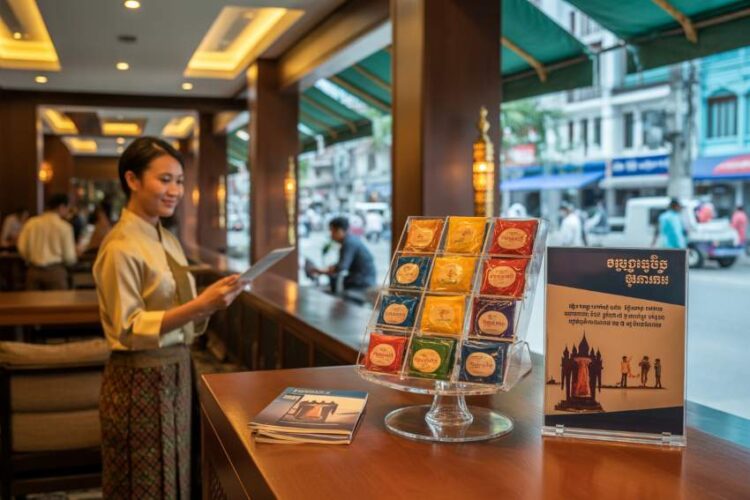
These guidelines mandate the provision and promotion of condoms in bars, hotels, guesthouses, and entertainment venues.
The initiative aims to dispel the misconception that HIV/AIDS is no longer a significant issue in Cambodia.
The guidelines were officially issued on January 12, 2026.
Actionable Takeaways:
Enhanced Safety Measures in Tourism: Hotels and entertainment venues in Cambodia are required to provide condoms and promote their use. This action is crucial in combating HIV transmission and aligns with global health standards. It reflects a proactive approach by the Cambodian government to address public health concerns within the tourism industry.
Combating Misconceptions: By addressing the misconception that HIV/AIDS is no longer a concern, the guidelines aim to educate the public and stakeholders about the ongoing importance of HIV prevention. This educational component is vital for maintaining public health awareness and could influence travel policies and consumer behavior in the region.
Alignment with Global Health Standards: The initiative reflects a commitment to aligning Cambodia’s tourism sector with global health standards, particularly in the context of HIV/AIDS prevention. This alignment could enhance the sector’s reputation and attract health-conscious travelers, potentially boosting tourism revenue.
Contextual Insights:
The introduction of these guidelines in Cambodia is timely, given the ongoing global efforts to combat HIV/AIDS and the increasing awareness of public health issues in travel. The guidelines reflect a broader trend in the travel industry towards prioritizing health and safety, especially in sectors where human interaction is prevalent. This move could set a precedent for other countries in the region, encouraging them to implement similar measures to ensure the safety and well-being of both tourists and local populations. Furthermore, by addressing misconceptions, the guidelines could help in normalizing conversations around HIV/AIDS, reducing stigma, and fostering a more inclusive travel environment. This aligns with current industry trends emphasizing health, safety, and inclusivity, which are increasingly important to modern travelers.