






















Travel Capitalist Ventures Expands Check Size to $10 Million to Deepen Emerging Market Conviction
Boutique Travel VC raises investment cap from $1.5M to $10M to lead rounds and support portfolio companies through growth Travel...
Read moreDetails
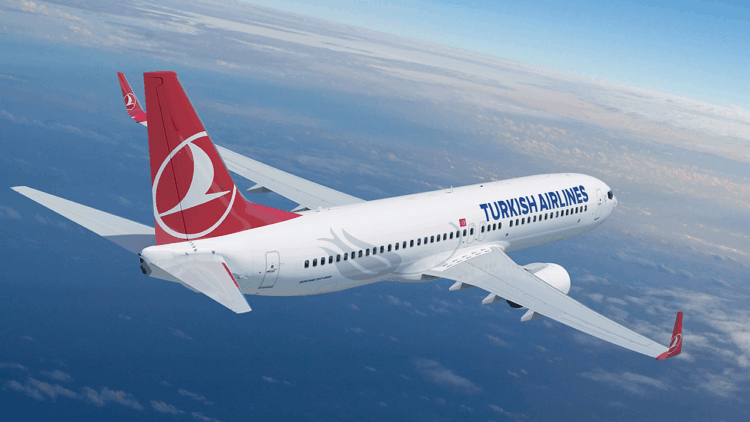
A new air bridge to boost Cambodian tourism
Article Summary:
The article announces the inauguration of a direct Istanbul–Phnom Penh flight operated by Turkish Airlines, marking a significant milestone for Cambodian tourism. According to Cambodia’s Minister of Tourism, H.E. Huot Hak, this strategic move is anticipated to enhance the country’s international visibility and attract new visitor flows. The launch is seen as a concrete and promising success, facilitated by the vision of Prime Minister Samdech Moha Borvor Thipadei Hun Manet and the collaborative efforts of the Cambodian and Turkish governments, the Embassy of Turkey, Turkish Airlines, and various tourism stakeholders.
Key Points:
Actionable Takeaways:
Contextual Insights:
The inauguration of the Istanbul–Phnom Penh flight is a strategic development within the broader context of global tourism trends, which increasingly focus on connectivity and accessibility. Recent years have seen a surge in international air travel, driven by advancements in aviation technology and a growing interest in exploring new destinations. This flight exemplifies how strategic air links can serve as catalysts for tourism growth, aligning with current industry trends that prioritize seamless travel experiences and international accessibility.
Moreover, the collaboration between the Cambodian and Turkish governments, along with Turkish Airlines, reflects a growing trend of international cooperation in the travel sector. As countries seek to leverage their unique tourist attractions and cultural offerings, such partnerships become crucial in attracting global visitors. The article also aligns with emerging insights from travel thought leaders who emphasize the importance of innovative air routes in revitalizing tourism economies, particularly in regions that have historically faced challenges in attracting international tourists.
In summary, the launch of the direct Istanbul–Phnom Penh flight by Turkish Airlines is a pivotal development for Cambodian tourism, driven by strategic collaboration and a commitment to enhancing international connectivity. The actionable takeaways underscore the potential for such initiatives to drive tourism growth, foster industry innovation, and highlight the importance of collaborative efforts in the travel sector.
Read the Complete Article.
Boutique Travel VC raises investment cap from $1.5M to $10M to lead rounds and support portfolio companies through growth Travel...
Read moreDetails




