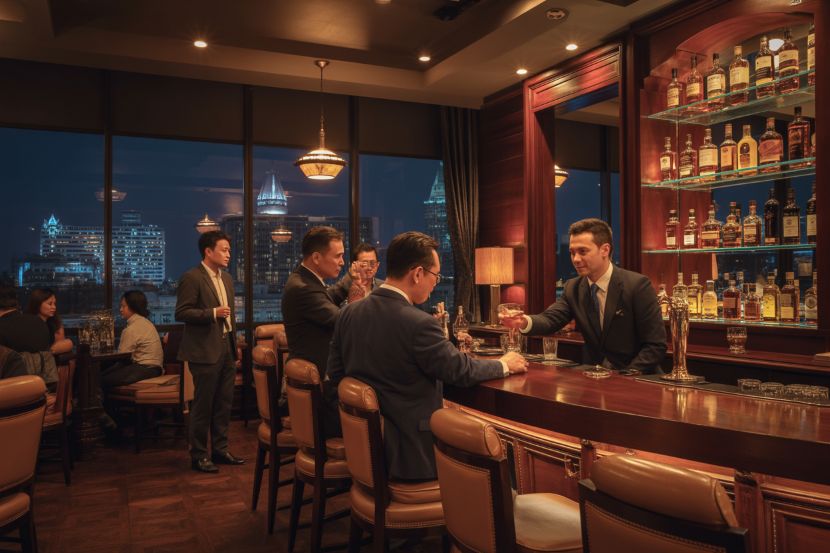
Cambodia’s spirits industry is experiencing significant growth, primarily driven by an increasing demand for premium whiskies and a thriving tourism sector. This growth is particularly evident in key cities such as Phnom Penh and Sihanoukville. The rising tourism, coupled with Cambodia’s expanding middle class, is expected to propel the spirits market through 2031. The article highlights the role of whisky demand in this growth trajectory, indicating a robust and expanding market for high-quality spirits in the country.
Key Points:
Cambodia’s spirits market is growing significantly, fueled by a rising demand for premium whiskies.
The tourism sector in Cambodia, especially in cities like Phnom Penh and Sihanoukville, is flourishing, contributing to the spirits industry’s expansion.
The combination of increased tourism and an expanding middle class is set to sustain the spirits industry’s growth through 2031.
The article emphasizes the role of whisky demand in driving this growth, indicating a strong focus on international whisky brands.
Actionable Takeaways:
Investment in Premium Whisky Production: Given the rising demand for premium whiskies, investors and businesses in Cambodia’s spirits industry should consider expanding their production capabilities and focusing on high-quality whisky brands to capitalize on this trend.
Tourism-Driven Market Expansion: The strong correlation between tourism growth and the spirits market suggests that tourism initiatives and marketing strategies should be aligned to boost whisky sales. This could include targeted promotions in popular tourist destinations like Phnom Penh and Sihanoukville.
Focus on Middle-Class Growth: As Cambodia’s middle class expands, businesses in the spirits industry should tailor their marketing and product offerings to cater to this growing demographic, potentially introducing new whisky varieties or premium packaging to attract this consumer segment.
Contextual Insights:
The growth of Cambodia’s spirits industry is deeply intertwined with its tourism sector and the expanding middle class. As the country continues to attract more tourists, particularly to key destinations like Phnom Penh and Sihanoukville, the demand for premium spirits is likely to increase. This trend aligns with broader global travel industry trends where tourism growth often correlates with increased spending on luxury goods, including spirits. Furthermore, the focus on whisky demand indicates a potential opportunity for the spirits industry to leverage international whisky brands, which are known for their quality and brand prestige. This could involve partnerships with global whisky producers or importing high-quality whiskies to meet the growing consumer demand. The insights from this article underscore the importance of aligning business strategies with tourism trends and consumer preferences to sustain growth in the spirits industry.