























Travel Capitalist Ventures Expands Check Size to $10 Million to Deepen Emerging Market Conviction
Boutique Travel VC raises investment cap from $1.5M to $10M to lead rounds and support portfolio companies through growth Travel...
Read moreDetails

Impact of Cambodia-Thailand Border Clashes on Angkor Wat Tourism and Local Economies
Article Summary:
The article discusses the significant impact of border clashes between Cambodia and Thailand on tourism in Cambodia, particularly focusing on the renowned historical site of Angkor Wat. Published on December 26, 2025, the article highlights how these tensions have led to a substantial drop in visitors to Angkor Wat, causing a ripple effect throughout Cambodia’s tourism sector, especially in Siem Reap. The ongoing territorial dispute, which has a history of intermittent flare-ups, has instilled fear in international visitors, leading to a decline in tourism that has adversely affected the local economy.
Key Points:
Actionable Takeaways:
Diversification of Tourism Destinations: Given the vulnerability of Angkor Wat to geopolitical tensions, there is a need for tourism operators to diversify their offerings. This could involve promoting other historical and cultural sites in Cambodia to mitigate the impact of geopolitical conflicts on tourism.
Enhanced Security Measures: The article underscores the importance of implementing robust security measures to protect tourists and mitigate the fear caused by geopolitical tensions. Enhanced security could help restore confidence among international visitors and stabilize tourism in the region.
Investment in Digital Marketing: To counter the negative impact of geopolitical tensions, there is a recommendation to invest in digital marketing strategies that highlight the unique cultural and historical value of Angkor Wat. Leveraging travel tech and innovative marketing techniques can help attract tourists despite external challenges.
Contextual Insights:
The article reflects the current state of the travel industry, particularly in regions where geopolitical tensions can significantly impact tourism. The ongoing conflict between Cambodia and Thailand serves as a case study on how external political issues can disrupt tourism flows and affect local economies. This situation highlights the importance of resilience and adaptability in the travel sector, particularly for destinations heavily reliant on international visitors.
In light of recent travel trends, there is a growing emphasis on leveraging technology to enhance the travel experience and ensure safety. Innovations in travel tech, such as real-time safety alerts and digital booking platforms, can play a crucial role in mitigating the risks associated with geopolitical tensions. Additionally, the rise of fintech solutions can provide financial stability to local economies by facilitating smoother transactions and payments for tourists.
Overall, the article underscores the need for proactive measures in the travel industry to address the challenges posed by geopolitical conflicts. By adopting a forward-looking perspective and integrating the latest travel trends and insights, stakeholders can better navigate uncertainties and ensure the sustainability of tourism in conflict-prone regions.
Read the Complete Article.
Boutique Travel VC raises investment cap from $1.5M to $10M to lead rounds and support portfolio companies through growth Travel...
Read moreDetails



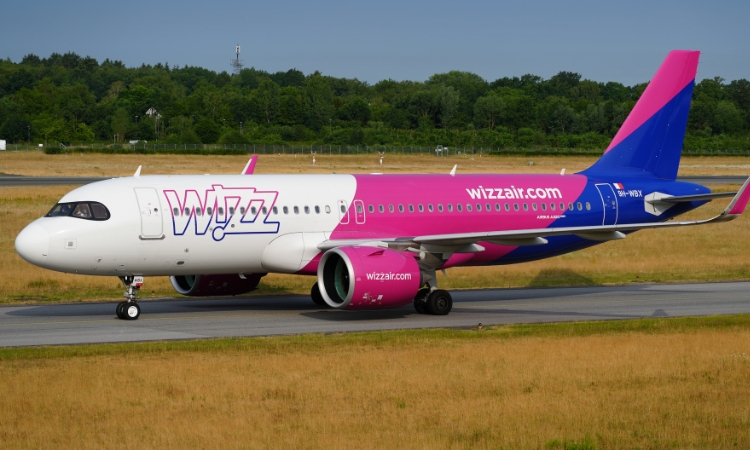
Comprehensive Summarization: Wizz Air, a low-cost carrier, is set to launch a new seasonal route between Bucharest and Dubrovnik, starting...
Read moreDetails
