























Travel Capitalist Ventures Expands Check Size to $10 Million to Deepen Emerging Market Conviction
Boutique Travel VC raises investment cap from $1.5M to $10M to lead rounds and support portfolio companies through growth Travel...
Read moreDetails

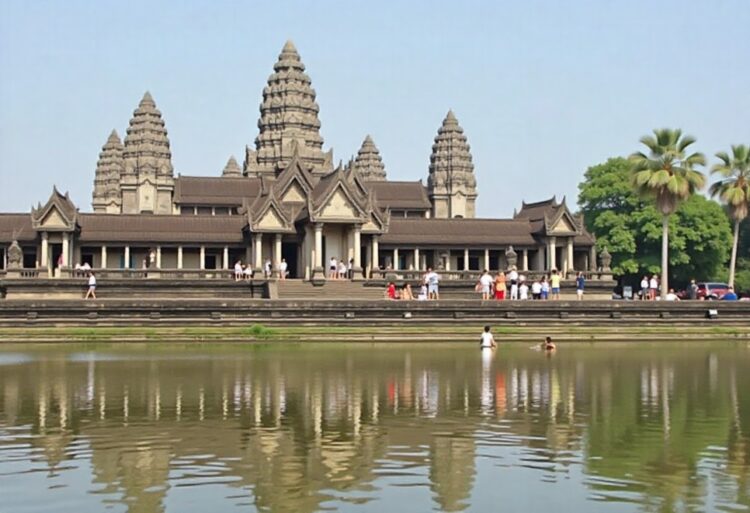
Cambodia Tourism Sees More than Eight Percent Decline in Foreign Arrivals in this Year, But Regional...
Article Summary:
Cambodia’s tourism industry is experiencing a marginal decline in foreign arrivals, with an 8.8% decrease in the first nine months of 2025 compared to the same period in 2024. This decline is attributed to global economic pressures, regional conflicts, and border tensions with Thailand. Despite these challenges, Cambodia remains committed to strengthening its tourism sector and exploring new strategies to attract visitors.
Key Points:
Actionable Takeaways:
Contextual Insights:
The decline in Cambodia’s tourism arrivals is reflective of broader challenges faced by the global travel industry, including economic uncertainties and geopolitical tensions. The article highlights Cambodia’s proactive stance in addressing these challenges by committing to sustainable growth and exploring new visitor attraction strategies. This context is crucial as it underscores the resilience and adaptability of the tourism sector in the face of adversity. Furthermore, the emphasis on sustainable tourism aligns with current industry trends, where eco-friendly practices are increasingly valued by travelers. This forward-looking perspective suggests that Cambodia is not only responding to current challenges but is also positioning itself for future growth in a more sustainable and resilient manner.
Read the Complete Article.
Boutique Travel VC raises investment cap from $1.5M to $10M to lead rounds and support portfolio companies through growth Travel...
Read moreDetails




