




















Travel Capitalist Ventures Expands Check Size to $10 Million to Deepen Emerging Market Conviction
Boutique Travel VC raises investment cap from $1.5M to $10M to lead rounds and support portfolio companies through growth Travel...
Read moreDetails
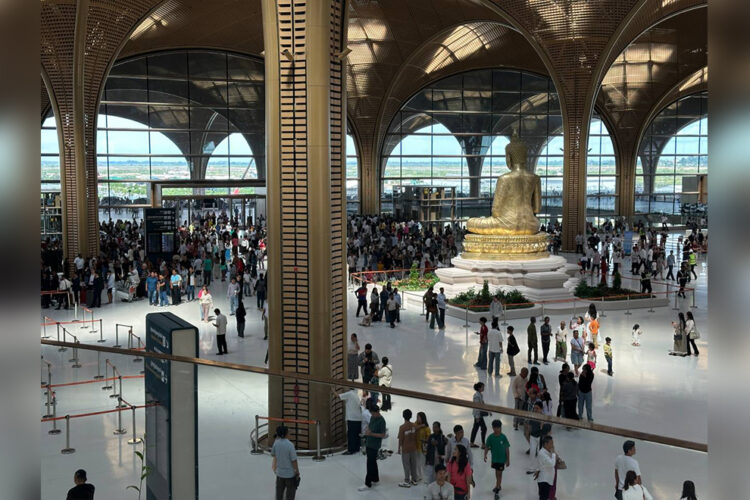
Cambodia’s tourism numbers down, but ‘high-value’ guest arrivals up
Article Summary:
The article discusses the impact of Cambodia’s recent transport infrastructure advancements, particularly the Techo International Airport, on the country’s tourism sector. Despite a 11.6% decrease in international visitors from January to October 2025 compared to the same period in 2024, driven by Thai military aggression, there was a significant 44% increase in visitors from China. The tourism sector’s contribution to Cambodia’s GDP remains substantial at 9.4%. The article also touches on the broader travel industry trends, highlighting the importance of transport infrastructure in attracting international tourists and investors.
Key Points:
Actionable Takeaways:
Contextual Insights:
The article reflects the current challenges and opportunities in the travel industry, particularly in the wake of geopolitical tensions. The decline in visitors from neighboring countries due to military aggression highlights the vulnerability of tourism sectors to external political factors. However, the substantial increase in Chinese visitors indicates a resilient market segment that can buffer against such disruptions. This context underscores the importance of strategic marketing and infrastructure development to attract diverse tourist groups. Furthermore, the article aligns with broader industry trends emphasizing the role of transport infrastructure in tourism growth, as highlighted by thought leaders in the sector. As travel technology continues to evolve, innovations in airport facilities and connectivity are likely to play a crucial role in shaping future tourism strategies.
Read the Complete Article.
Boutique Travel VC raises investment cap from $1.5M to $10M to lead rounds and support portfolio companies through growth Travel...
Read moreDetails




