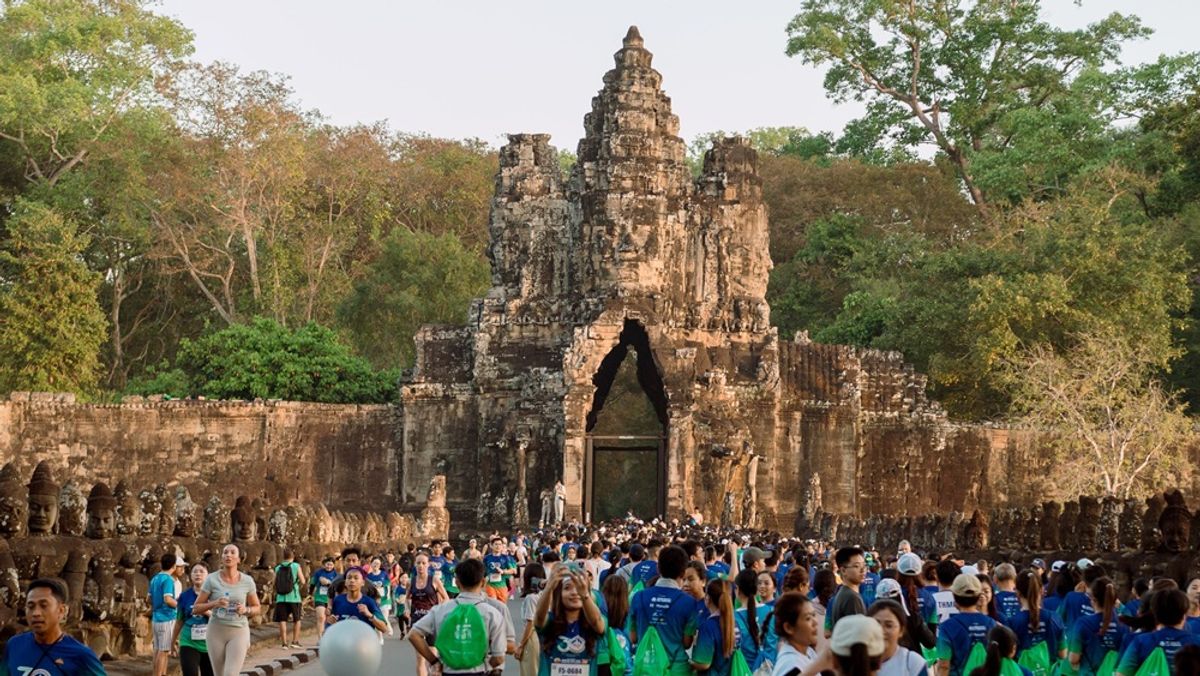
In 2025, Cambodia’s tourism sector experienced a mixed year, marked by both challenges and opportunities. Despite a 13.8% year-over-year decline in international visitors, reaching 5.17 million in the first 11 months, the sector benefited from a significant surge in domestic travel, which increased by 64.7% between May and October. This surge was particularly notable as it occurred during the typically low season due to monsoon rains. However, the sector faced headwinds, including geopolitical tensions with Thailand. The Ministry of Tourism’s figures underscored these dynamics, highlighting the resilience and adaptability of Cambodia’s tourism industry amidst external pressures.
Key Points:
Domestic Travel Surge: Domestic travel in Cambodia saw a remarkable 64.7% increase from May to October 2025, indicating a strong rebound in local tourism despite the overall decline in international arrivals.
International Visitor Decline: The country welcomed 5.17 million international visitors in the first 11 months of 2025, marking a 13.8% year-over-year decline. This decline was influenced by geopolitical tensions with neighboring Thailand.
Infrastructure Developments: Phnom Penh’s Techo International Airport was highlighted as a major infrastructure development contributing to the sector’s resilience and growth potential.
Geopolitical Challenges: The article notes that geopolitical tensions with Thailand played a significant role in shaping the tourism sector’s performance in 2025.
Actionable Takeaways:
Leverage Domestic Travel Growth: Travel businesses should focus on enhancing domestic travel offerings and marketing strategies to capitalize on the 64.7% increase in domestic visitors. This could involve targeted promotions, improved local infrastructure, and enhanced customer experiences to attract more local tourists.
Infrastructure Investment: Investing in key infrastructure projects, such as the Techo International Airport, can significantly boost the tourism sector’s capacity and appeal. Such investments can reduce travel times and improve accessibility, making Cambodia a more attractive destination for both domestic and international travelers.
Risk Management in Geopolitical Contexts: Given the impact of geopolitical tensions on tourism, companies should develop risk management strategies to mitigate potential disruptions. This could include diversifying marketing efforts to reach different markets, enhancing customer service protocols, and maintaining flexible pricing strategies to adapt to changing market conditions.
Contextual Insights:
The article reflects the ongoing resilience of Cambodia’s tourism sector amidst geopolitical challenges and seasonal fluctuations. The surge in domestic travel, driven by favorable weather conditions and increased local interest, underscores the sector’s adaptability. Phnom Penh’s Techo International Airport serves as a testament to the government’s commitment to enhancing the country’s travel infrastructure, which is crucial for attracting more visitors. The geopolitical tensions with Thailand highlight the need for strategic risk management and diversified market approaches. As the travel industry continues to evolve, focusing on domestic travel growth, infrastructure development, and effective risk management will be key to sustaining growth and overcoming external challenges. These insights align with current industry trends, emphasizing the importance of innovation, adaptability, and strategic planning in navigating the complexities of the global travel market.