






















Travel Capitalist Ventures Expands Check Size to $10 Million to Deepen Emerging Market Conviction
Boutique Travel VC raises investment cap from $1.5M to $10M to lead rounds and support portfolio companies through growth Travel...
Read moreDetails
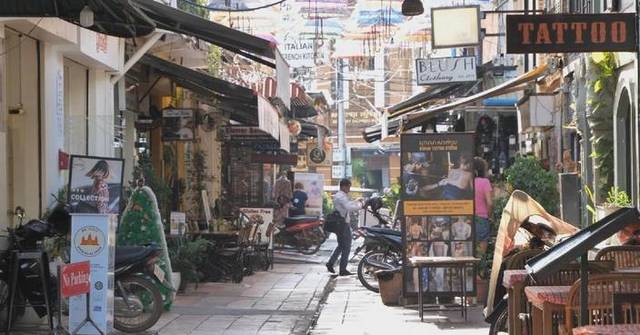
Cambodia's tourism takes hit as border clashes with Thailand drag on
Article Summary:
The article discusses the significant impact of ongoing border clashes between Cambodia and Thailand on Cambodia’s tourism industry, a critical economic sector. The clashes have led to a sharp decline in visitor numbers, particularly affecting Siem Reap, a renowned tourist destination. The decrease in tourist activity is evident in the reduced number of tour buses, as well as the substantial drop in customer arrivals at local hotels and restaurants. This situation highlights the vulnerability of Cambodia’s tourism sector to geopolitical tensions and the broader implications for the country’s economy.
Key Points:
Actionable Takeaways:
Contextual Insights:
The article’s context is deeply rooted in the current geopolitical tensions between Cambodia and Thailand, which have directly impacted Cambodia’s tourism industry. Siem Reap, historically a bustling hub for tourists, is now experiencing a significant downturn in visitor numbers, reflecting the broader challenges faced by the tourism sector in regions affected by such conflicts. This situation underscores the importance of understanding and adapting to external factors that can disrupt traditional travel patterns.
In the context of current travel trends, the reliance on digital platforms for tourism promotion and engagement has become increasingly vital. Thought leaders in the travel industry emphasize the need for travel businesses to adopt agile strategies that can quickly adapt to changing circumstances. The article aligns with these insights by highlighting the need for diversification and enhanced risk management, both of which are critical in today’s unpredictable global environment. Furthermore, the emphasis on digital marketing reflects the growing trend of leveraging technology to maintain market presence and attract tourists, even in challenging times.
Read the Complete Article.
Boutique Travel VC raises investment cap from $1.5M to $10M to lead rounds and support portfolio companies through growth Travel...
Read moreDetails




