Cambodia is implementing a new immigration strategy aimed at enhancing both tourism and foreign investment, particularly in Phnom Penh. The government’s move is designed to improve national security and create a stable environment conducive to long-term economic growth. This initiative is expected to boost confidence among tourists and investors, positioning Cambodia as a more attractive destination for both sectors.
Key Points:
Visa Exemption Pilot Program: Cambodia will waive visa requirements for Chinese nationals traveling to the country from June 15 to October 15, 2026, allowing stays of up to 14 days. This policy aims to simplify travel and attract more Chinese tourists, who are a significant source of visitors to Cambodia.
Focus on Phnom Penh: The new immigration controls are primarily targeted at Phnom Penh, with the goal of enhancing national security and fostering a stable environment for economic development.
Economic Impact: The visa exemption is expected to increase the number of Chinese tourists, boost visitor spending, and stimulate local businesses, thereby supporting Cambodia’s tourism sector and attracting foreign investment.
Strategic Alignment: The initiative aligns with Cambodia’s broader tourism development strategy, which seeks to increase the country’s global competitiveness and enhance its appeal as a top travel destination.
Actionable Takeaways:
Enhance Visa Services for Chinese Tourists: Implement streamlined visa application processes and digital tools to facilitate entry for Chinese tourists. This will reduce bureaucratic hurdles and encourage more Chinese visitors to choose Cambodia for their travels, thereby boosting tourism revenue and creating jobs in the hospitality sector.
Invest in Phnom Penh Infrastructure: Prioritize infrastructure development in Phnom Penh to accommodate increased tourist arrivals. Improvements in transportation, accommodation, and tourist attractions will enhance the visitor experience and attract more international tourists, supporting long-term economic growth.
Promote Cultural and Natural Attractions: Develop marketing campaigns to highlight Cambodia’s rich cultural heritage and natural beauty, particularly in Phnom Penh. Emphasize unique experiences such as historical sites, culinary traditions, and eco-tourism opportunities to differentiate Cambodia from competitors and attract diverse visitor segments.
Contextual Insights:
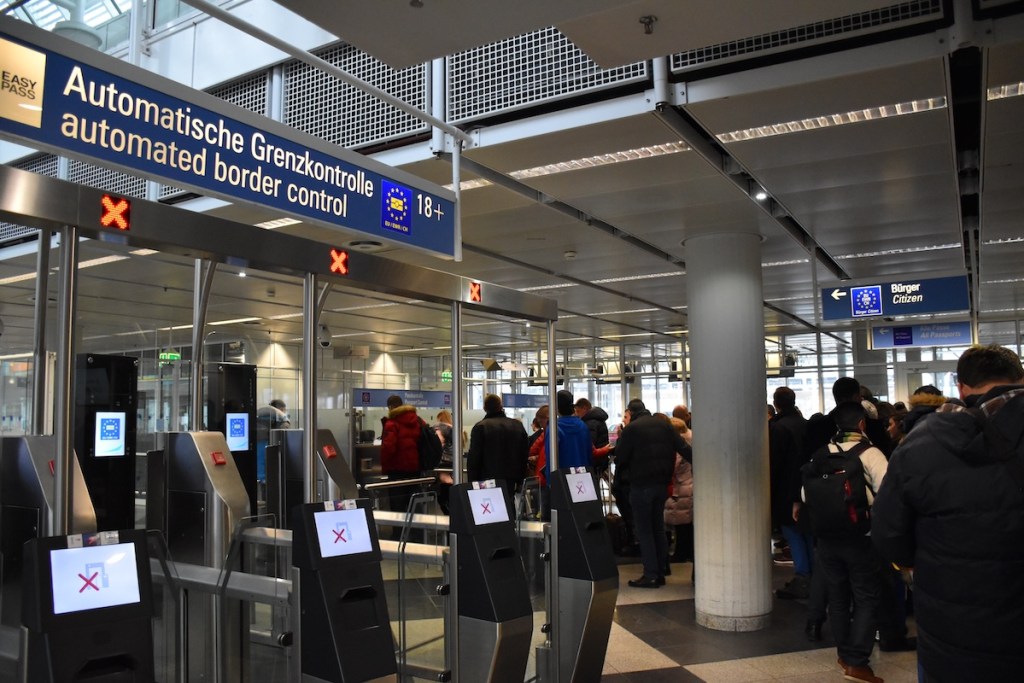
Cambodia’s new immigration strategy reflects a broader trend in the travel industry toward enhancing border management to boost tourism and attract investment. By simplifying entry procedures for key markets like China, Cambodia aims to capitalize on rising travel demand while ensuring national security. This approach aligns with global best practices in tourism development, where streamlined visa processes are increasingly used to drive economic growth and enhance a country’s appeal as a travel destination.
The focus on Phnom Penh underscores the importance of key urban centers in tourism recovery and expansion. As cities become focal points for tourism activities, governments must invest in infrastructure and services to meet the growing expectations of international visitors. This strategy not only supports immediate tourism recovery but also lays the groundwork for sustainable long-term growth in the sector.
Overall, Cambodia’s immigration overhaul is a strategic move to leverage tourism as a driver of economic development. By addressing visa-related barriers and enhancing the visitor experience, Cambodia positions itself to attract more tourists and investors, ultimately contributing to national prosperity and resilience in the post-pandemic era.