Article Summary:
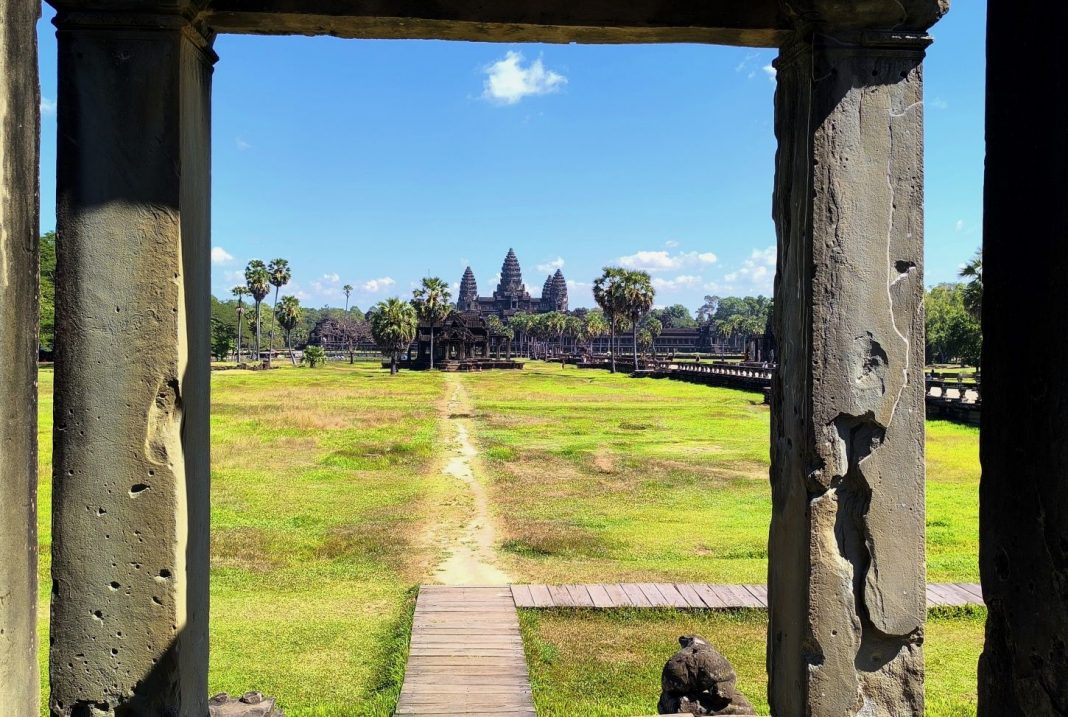
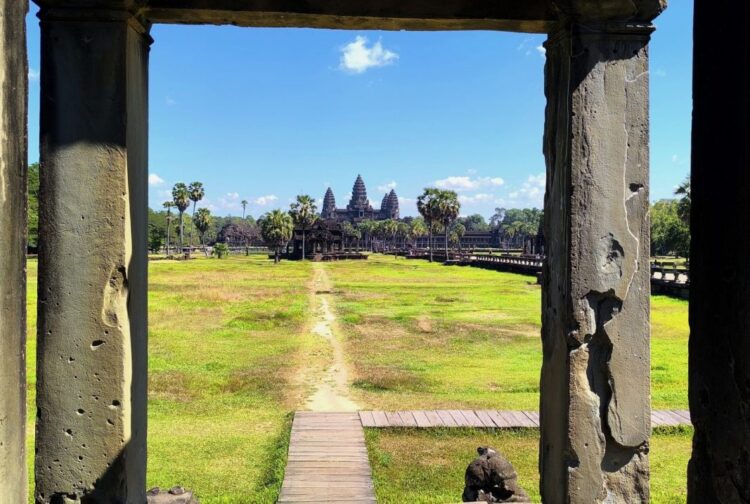
The article discusses the impact of the ongoing conflict between Thailand and Cambodia on travel to Cambodia, particularly in December 2025. While Cambodia’s winter peak season typically sees a surge in tourists visiting the country’s majestic temples and enjoying milder weather, the conflict has introduced uncertainty and potential safety concerns for travelers. Despite this, Siem Reap and other traditional destinations like Phnom Penh, Kep, and the Coast remain peaceful, with normal operations for coaches, trains, and international airports. The article highlights the resilience of the travel industry in maintaining normalcy despite geopolitical tensions.
Key Points:
-
Conflict Impact on Travel: The conflict between Thailand and Cambodia has heightened tensions, potentially scaring travelers and affecting their decision to visit Cambodia, especially during the peak winter season.
-
Normal Operations in Siem Reap: Siem Reap, a major tourist hub, remains peaceful, and life for travelers is normal. Coaches and trains operate as usual, and there are no disruptions to flights at Phnom Penh-Techo and Siem Reap international airports.
-
Resilience of Travel Industry: Despite the geopolitical tensions, the travel industry in Cambodia continues to function normally, demonstrating resilience and adaptability in the face of external challenges.
Actionable Takeaways:
-
Risk Assessment for Travelers: Travelers should conduct thorough risk assessments before planning trips to Cambodia, particularly during the winter peak season. This includes monitoring geopolitical developments and considering alternative destinations if safety concerns arise.
-
Enhanced Security Measures: Travel agencies and tour operators should enhance security measures for travelers visiting Cambodia, including providing up-to-date information on safety conditions and offering flexible booking options to mitigate risks associated with geopolitical tensions.
-
Focus on Domestic Tourism: The article suggests that despite international tensions, domestic tourism in Cambodia remains robust. Travel businesses could capitalize on this by promoting domestic travel packages, thereby supporting local economies and reducing the impact of international conflicts on tourism.
Contextual Insights:
The article reflects the current state of the travel industry, where geopolitical tensions can significantly impact travel decisions and operations. The resilience of Siem Reap and other destinations in Cambodia, despite the conflict, underscores the industry’s adaptability and the importance of maintaining normal operations. This situation highlights the need for travel businesses to stay informed about geopolitical developments and to proactively address potential risks to ensure the safety and satisfaction of travelers. Furthermore, the article aligns with current travel trends emphasizing safety and security, suggesting that these factors will continue to play a crucial role in shaping travel decisions and industry strategies.
Read the Complete Article.