




















Travel Capitalist Ventures Expands Check Size to $10 Million to Deepen Emerging Market Conviction
Boutique Travel VC raises investment cap from $1.5M to $10M to lead rounds and support portfolio companies through growth Travel...
Read moreDetails
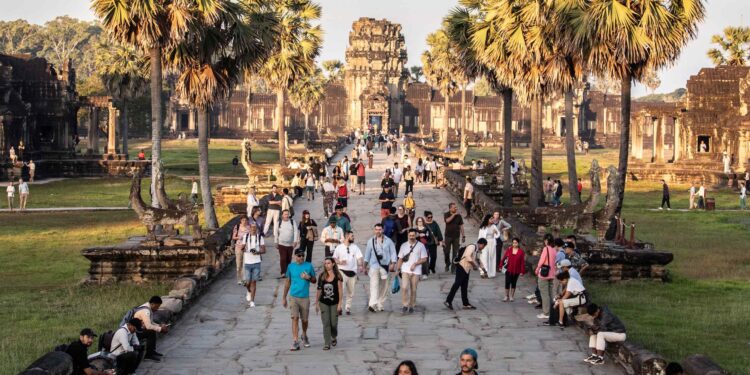
Cambodian tourism industry fears heavy impact from Thai conflict
Article Summary:
The article reports on a significant decrease in visitor numbers to Cambodia’s Angkor Wat temple complex, down more than 20%, following the escalation of military clashes between Thailand and Cambodia in May. This has led to tourists like German tourist Tamara, who initially planned a longer stay, opting for a shorter visit to Siem Reap and Angkor Wat. The context highlights the impact of geopolitical tensions on travel, emphasizing the sensitivity of the region’s tourism sector to international relations.
Key Points:
Actionable Takeaways:
Contextual Insights:
The decrease in tourist numbers to Angkor Wat is a direct consequence of the heightened military tensions between Thailand and Cambodia. This situation illustrates the broader trend of travel being influenced by geopolitical events, a theme increasingly relevant in today’s interconnected world. As geopolitical tensions rise, travel destinations must adapt by implementing robust risk management strategies and leveraging technology to provide real-time information to travelers. This context is crucial for understanding the current state of the travel industry, where external factors can significantly impact tourism flows and consumer behavior. The article also points to the growing importance of travel technology in managing and mitigating risks associated with geopolitical instability, suggesting a forward-looking trend toward more resilient and adaptable travel solutions.
Read the Complete Article.
Boutique Travel VC raises investment cap from $1.5M to $10M to lead rounds and support portfolio companies through growth Travel...
Read moreDetails




