Article Summary:
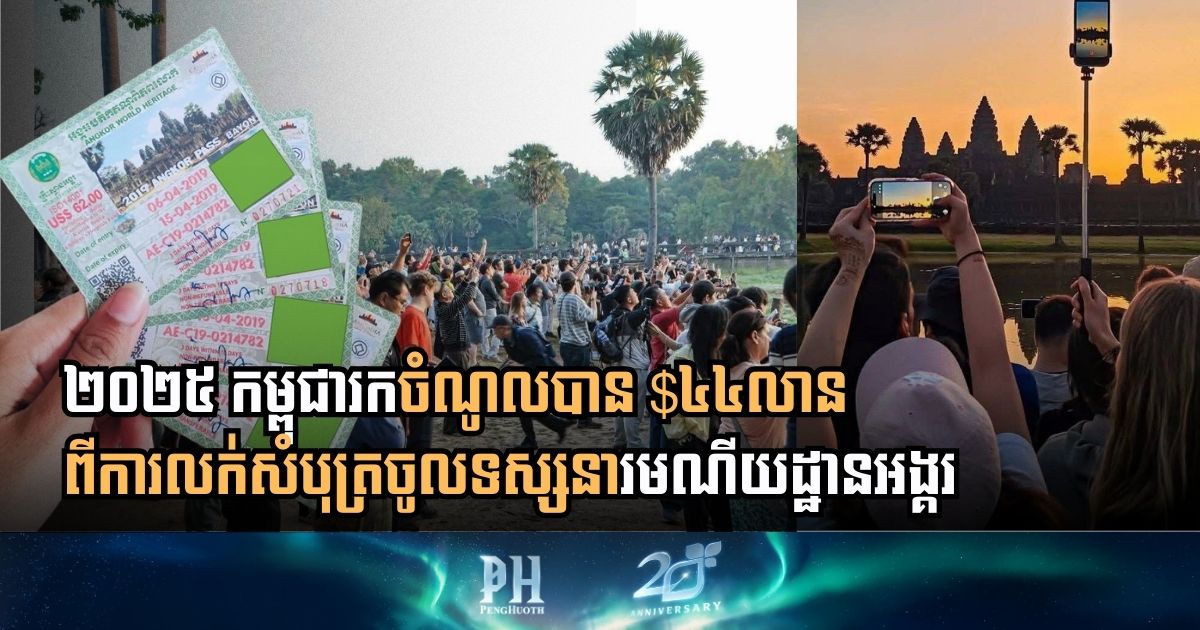
Cambodia’s tourism sector, particularly the Angkor Archaeological Park, recorded approximately $44 million in revenue from ticket sales in 2025, welcoming over 950,000 international tourists. This marks a slight decrease of 6.51% in ticket revenue compared to the same period in 2024. Despite this decline, the consistent influx of nearly one million foreign visitors highlights the enduring global appeal of the Angkorian temples as a premier cultural destination.
Key Points:
- Cambodia’s tourism sector generated $44 million in revenue from Angkor Archaeological Park ticket sales in 2025.
- The park welcomed more than 950,000 international tourists in 2025, a slight decrease of 6.51% from 2024.
- The sustained influx of nearly one million foreign visitors underscores the enduring global appeal of the Angkorian temples.
Actionable Takeaways:
- Diversification of Tourism Revenue Streams: Despite a slight decline in ticket revenue, the consistent number of visitors suggests a robust demand for cultural tourism. Travel companies and policymakers should explore diversifying revenue streams by promoting ancillary services such as guided tours, local accommodations, and culinary experiences to mitigate revenue fluctuations.
- Leveraging Global Appeal for Sustainable Growth: The enduring appeal of the Angkorian temples to international tourists presents an opportunity for sustainable tourism growth. Investment in marketing campaigns that highlight the unique cultural and historical value of the site could attract more visitors, thereby stabilizing and potentially increasing revenue.
- Investment in Visitor Experience Enhancements: To maintain and grow visitor numbers, there is a need for continuous improvement in visitor experience. This could include upgrading facilities, enhancing digital services for ticketing and navigation, and offering immersive cultural experiences. Such enhancements can justify higher ticket prices and encourage repeat visits.
Contextual Insights:
The article reflects a nuanced picture of Cambodia’s tourism sector, where a slight decline in ticket revenue is offset by a steady influx of visitors. This scenario is indicative of the broader travel industry trend where visitor experience and cultural value often outweigh price sensitivity. The focus on maintaining the allure of the Angkorian temples as a premier cultural destination aligns with current industry trends emphasizing sustainable and immersive travel experiences. Furthermore, the context of global tourism recovery post-pandemic underscores the importance of leveraging cultural heritage sites to boost tourism, a strategy that has proven effective in Cambodia and can be applied to other destinations worldwide. The insights provided are grounded in the article’s factual content and reflect the current state of the travel industry, particularly in the context of cultural tourism and its economic implications.
Read the Complete Article.