The article discusses Cambodia’s decision to extend tax incentives for businesses in the tourism sector, specifically in Siem Reap, until December 2026. This strategic move aims to stimulate the recovery of Cambodia’s tourism industry, which has been significantly impacted by global disruptions such as the COVID-19 pandemic and regional border conflicts. Siem Reap, renowned for being the gateway to the iconic Angkor Wat, stands to benefit from this financial relief, fostering growth and recovery in the region’s tourism infrastructure. The article provides a snapshot of the current state of Cambodia’s tourism sector, highlighting the government’s efforts to bolster the industry through tax breaks and the broader context of the challenges faced by the travel industry globally.
Key Points:
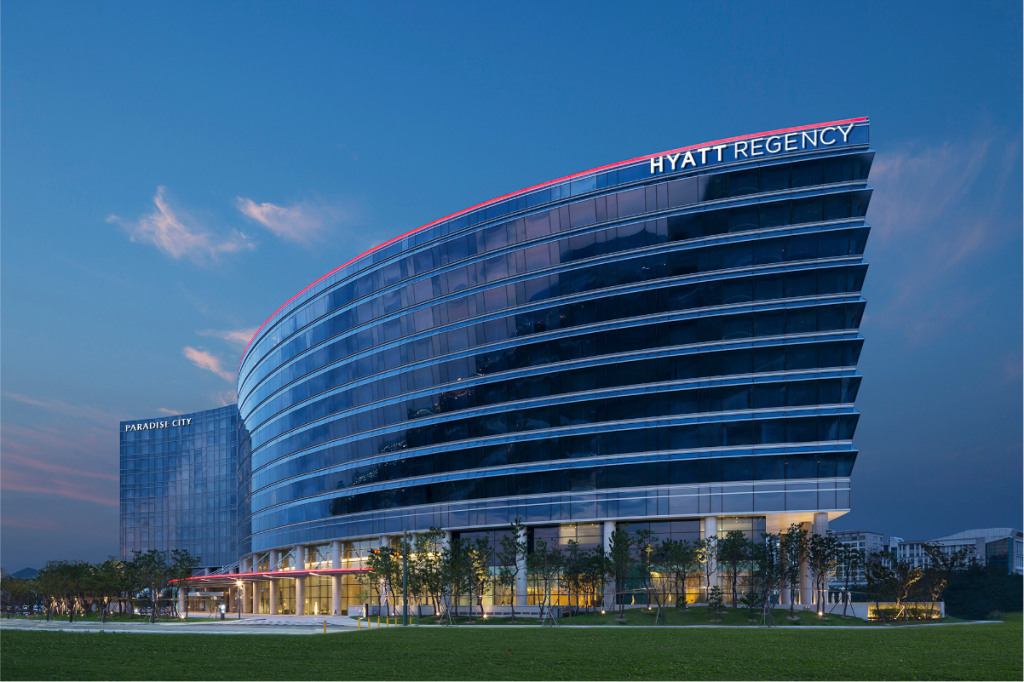
The Cambodian government has extended tax incentives for businesses in the tourism sector, including hotels and travel agencies, in Siem Reap until December 2026.
This extension is part of a strategic initiative to stimulate the recovery of Cambodia’s tourism industry, which has been adversely affected by global disruptions such as the COVID-19 pandemic and regional conflicts.
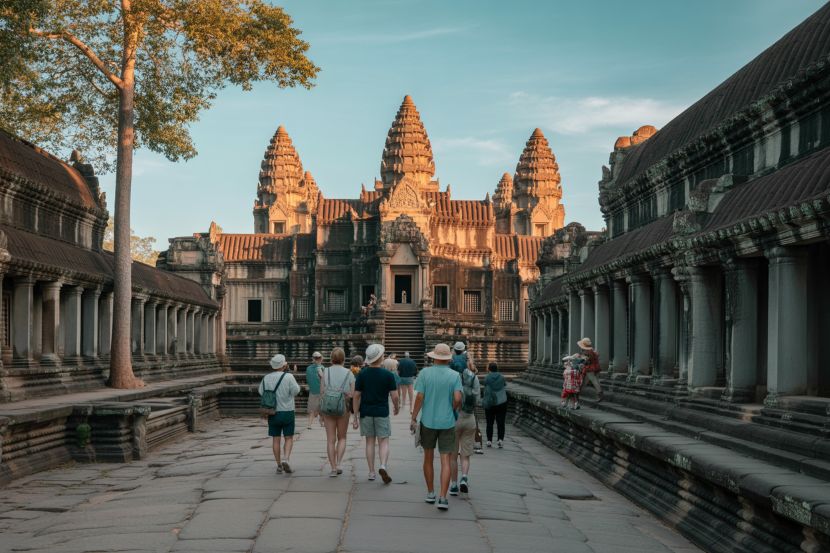
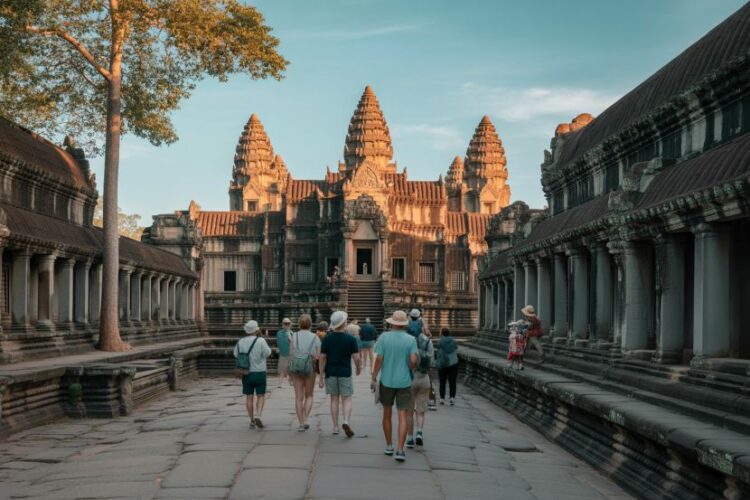
Siem Reap, home to the famous Angkor Wat, is identified as a key beneficiary of these tax breaks, aiming to bolster local tourism and hospitality services.
The article underscores the importance of financial relief in fostering growth and recovery in the tourism sector, particularly in regions heavily impacted by external disruptions.
Actionable Takeaways:
Enhanced Investment in Tourism Infrastructure: Businesses in Siem Reap can leverage the extended tax incentives to invest in upgrading their facilities and services, thereby improving the overall tourist experience. This could lead to increased tourist arrivals and revenue for local hotels and travel agencies.
Strategic Planning for Recovery: The extended tax breaks provide a window for tourism stakeholders to plan and implement recovery strategies. This includes marketing campaigns, enhancing digital presence, and improving customer service to attract both domestic and international tourists.
Focus on Sustainable Tourism Practices: With the financial relief, there is an opportunity for hotels and travel agencies to adopt more sustainable practices, aligning with global trends towards eco-friendly tourism. This could enhance the brand image of tourism businesses and attract a growing segment of environmentally conscious travelers.
Contextual Insights:
The extension of tax incentives in Siem Reap reflects a broader trend in the travel industry where governments are employing fiscal measures to revive tourism sectors affected by global crises. This move is particularly relevant in light of the ongoing recovery efforts post-COVID-19 pandemic and the challenges posed by geopolitical tensions in the region. The focus on Siem Reap, a critical hub for tourism in Cambodia, highlights the interconnectedness of regional tourism economies and the importance of localized strategies in driving recovery. Furthermore, the article aligns with current industry trends emphasizing the need for financial resilience and adaptability in the face of unforeseen disruptions. As travel startups and fintech innovations continue to shape the sector, the tax incentives could serve as a catalyst for adopting new technologies and business models that enhance operational efficiency and customer engagement.