



















Travel Capitalist Ventures Expands Check Size to $10 Million to Deepen Emerging Market Conviction
Boutique Travel VC raises investment cap from $1.5M to $10M to lead rounds and support portfolio companies through growth Travel...
Read moreDetails

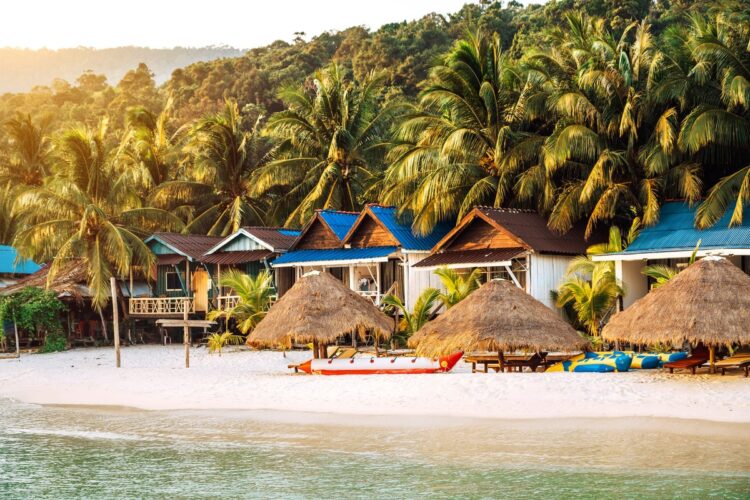
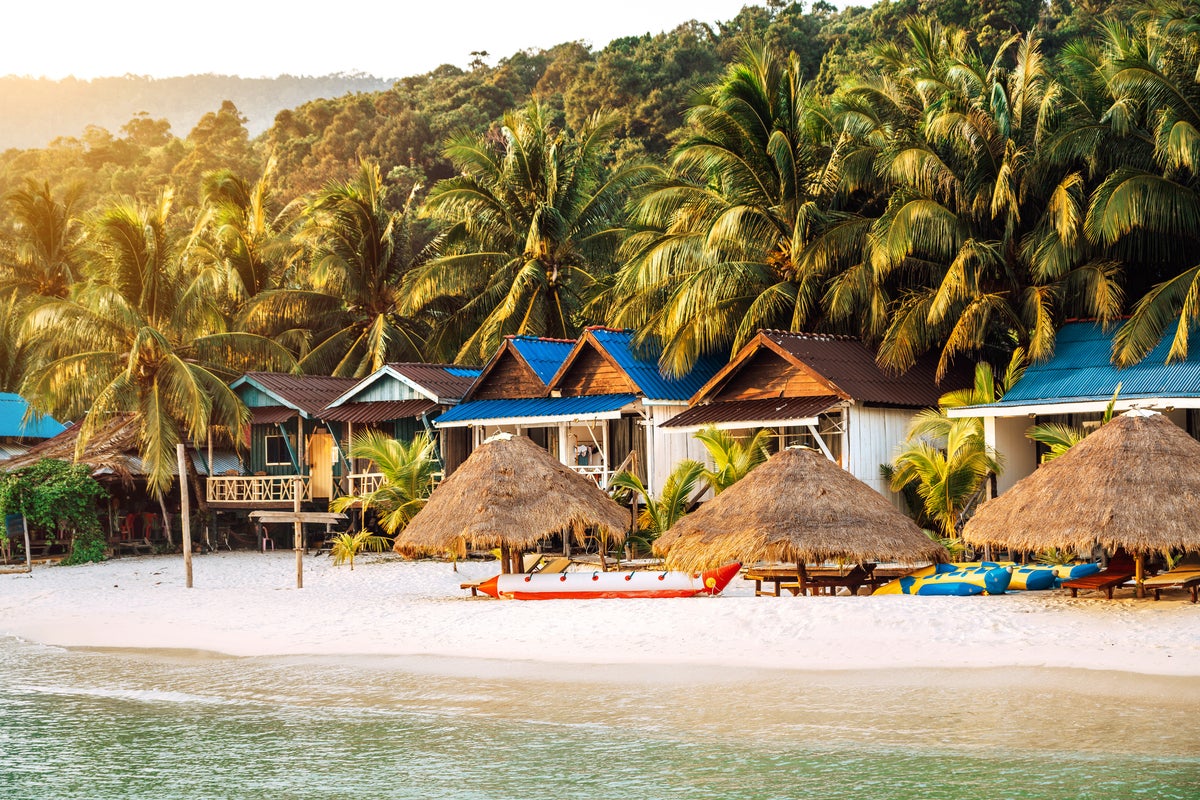
Cambodia’s beaches, including Koh Rong, are some of the best kept secrets in Southeast Asia (Getty/iStock)
Article Summary:
The article discusses the revitalization of Phnom Penh, Cambodia, following the Khmer Rouge’s invasion in 1975. A new airport has been constructed, and luxury hotel brands such as Shangri-La and Rosewood have opened along the Mekong River. The BBK1 district is experiencing a surge in restaurant activity, attracting both locals and foreigners. This transformation comes 50 years after the genocide, as Cambodia aims to become a popular tourist destination, similar to its neighbors. The peace deal between Cambodia and Thailand, brokered by Donald Trump, marks a significant step towards regional stability, which is crucial for tourism recovery.
Key Points:
Actionable Takeaways:
Investment in Infrastructure: The construction of a new airport and luxury hotels in Phnom Penh indicates a strong investment in tourism infrastructure. Travel companies and investors should consider the potential for increased tourism and associated economic opportunities in the region.
Regional Stability as a Tourism Catalyst: The peace deal between Cambodia and Thailand is a critical factor for tourism recovery. Travel agencies and tourism boards should focus on promoting regional stability as a key selling point for Cambodia, leveraging partnerships and diplomatic efforts to enhance the country’s appeal to international tourists.
Contextual Insights:
The article reflects the broader trend of post-conflict recovery and economic diversification in Southeast Asia. Cambodia’s focus on tourism, following a period of significant upheaval, mirrors similar developments in other countries in the region. The peace deal between Cambodia and Thailand underscores the importance of regional cooperation in fostering stability and economic growth. From a travel industry perspective, this context highlights the potential for increased tourism as a catalyst for economic recovery and development. Furthermore, the emphasis on luxury hotels and cultural experiences aligns with current travel trends, where travelers are increasingly seeking unique, immersive experiences that offer both relaxation and cultural enrichment. This forward-looking perspective suggests that the travel industry should continue to innovate and adapt to meet the evolving expectations of modern travelers, particularly those interested in destinations with rich histories and vibrant cultural scenes.
Read the Complete Article.
Boutique Travel VC raises investment cap from $1.5M to $10M to lead rounds and support portfolio companies through growth Travel...
Read moreDetails




