





















Travel Capitalist Ventures Expands Check Size to $10 Million to Deepen Emerging Market Conviction
Boutique Travel VC raises investment cap from $1.5M to $10M to lead rounds and support portfolio companies through growth Travel...
Read moreDetails
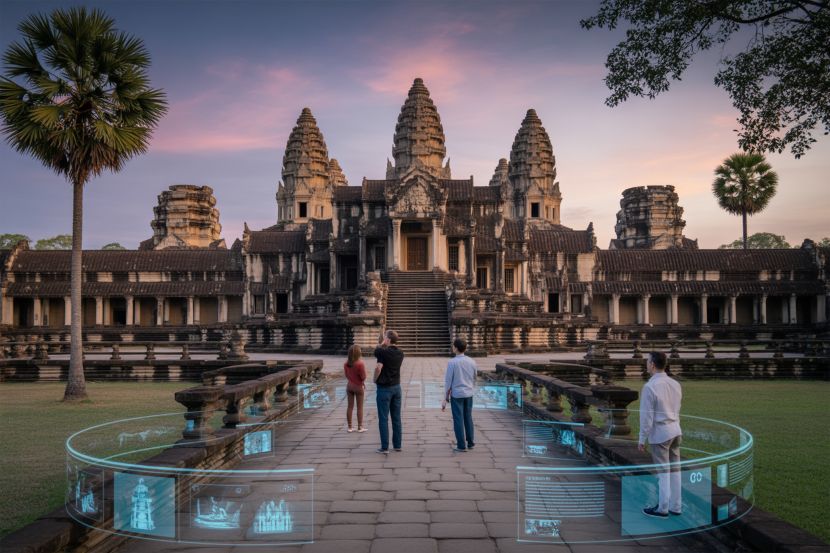
Tech Meets Culture: French Investor Proposes Major Tourism Park Near Angkor Wat, Cambodia, Set to Re...
Article Summary:
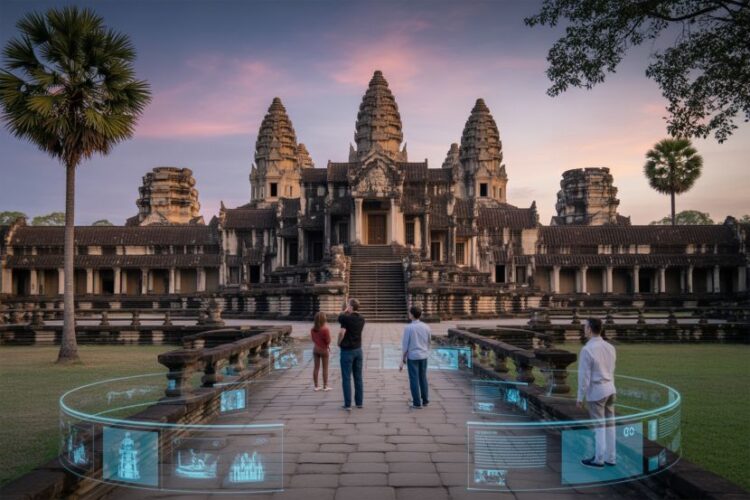
French investment firm ARGUENDO Film has announced plans to construct a cutting-edge tourism park near Angkor Wat in Cambodia’s Siem Reap province. This tech-driven attraction aims to blend historical significance with modern technology, offering a unique experience for international and local tourists. With an anticipated annual visitor count of nearly 300,000, the park is poised to redefine travel in the region, marking Cambodia’s first of its kind.
Key Points:
Actionable Takeaways:
Contextual Insights:
The announcement of ARGUENDO Film’s tourism park aligns with the broader trend of leveraging technology to enhance cultural tourism, a strategy increasingly adopted by destinations worldwide. This move reflects a shift towards creating immersive, tech-enhanced experiences that cater to the modern traveler’s desire for authenticity combined with innovation. As the travel industry continues to evolve, such initiatives could set new standards for how destinations present their cultural and historical narratives, making them more accessible and engaging for a global audience. Furthermore, the project’s potential to attract a substantial number of visitors underscores the importance of strategic investments in tourism infrastructure to drive economic growth and cultural preservation.
Read the Complete Article.
Boutique Travel VC raises investment cap from $1.5M to $10M to lead rounds and support portfolio companies through growth Travel...
Read moreDetails




