


















Travel Capitalist Ventures Expands Check Size to $10 Million to Deepen Emerging Market Conviction
Boutique Travel VC raises investment cap from $1.5M to $10M to lead rounds and support portfolio companies through growth Travel...
Read moreDetails

New Mekong Clean-Up Drive Recasts Cambodia’s River Tourism
Comprehensive Summarization:
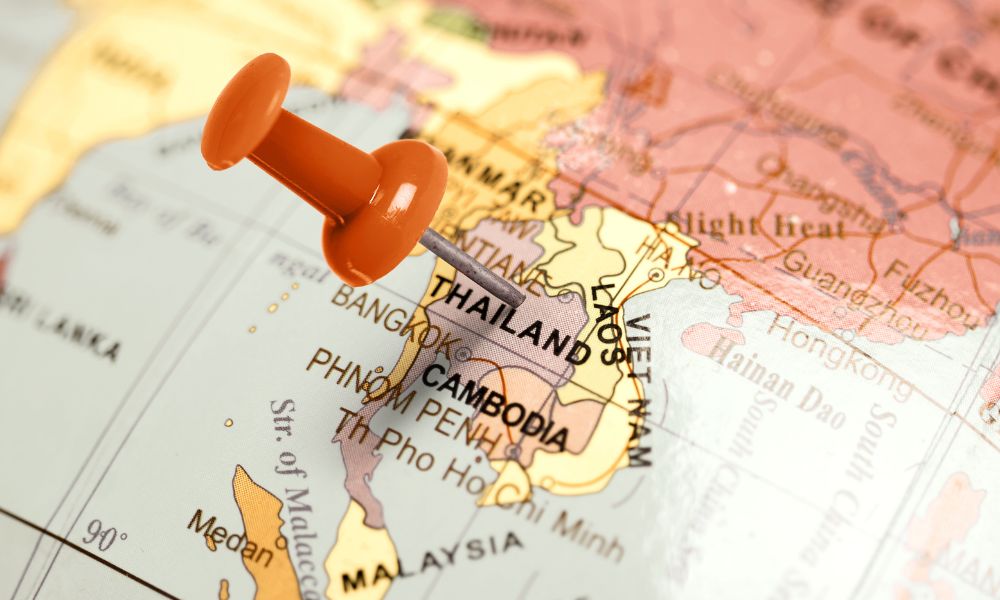
The article highlights a significant initiative launched in early April 2026 by Cambodia, aimed at cleaning up the Mekong River and its connected waterways. This nationwide campaign, titled “Promoting Sustainable River Tourism and Plastic Waste Reduction across Cambodia’s Waterways,” is set to redefine how Cambodia markets itself as a sustainable river destination. The initiative, supported by the Ministry of Tourism and the United, signifies a concerted effort to restore the Mekong River’s ecosystem while promoting sustainable tourism practices. The article underscores the importance of this campaign in reshaping Cambodia’s tourism narrative, emphasizing sustainability and environmental responsibility.
Key Points:
Actionable Takeaways:
Enhanced Eco-Tourism Opportunities: The campaign presents a unique opportunity for travel companies to develop eco-tourism packages that highlight sustainable practices and conservation efforts along the Mekong River. This could attract a growing segment of environmentally conscious tourists, thereby boosting the tourism sector in Cambodia.
Investment in River Cleanup Technologies: The initiative encourages investment in innovative technologies for river cleanup, such as waste collection boats and biodegradable waste management systems. Travel startups specializing in sustainable travel solutions could capitalize on this trend by offering services that support or enhance the cleanup efforts.
Partnerships with Environmental NGOs: Collaborations with environmental non-governmental organizations (NGOs) can amplify the campaign’s impact. Travel companies could partner with these NGOs to offer guided tours that educate tourists about the river’s ecosystem and the importance of conservation, thereby adding value to the travel experience.
Contextual Understanding:
The article reflects a broader trend in the travel industry towards sustainability and environmental responsibility. Recent years have seen a significant shift in consumer preferences, with travelers increasingly seeking experiences that align with their values of sustainability and conservation. Cambodia’s initiative to clean up the Mekong River aligns with this trend, positioning the country as a leader in sustainable tourism. The integration of technological advancements in waste management and the involvement of governmental and international bodies underscore the seriousness of this effort. Furthermore, the article’s context highlights the potential for travel startups to innovate and thrive in this new sustainable tourism landscape, offering services that support or enhance the campaign’s objectives.
Handling Different Article Types:
The article can be categorized as a Feature Article, given its in-depth exploration of a specific initiative within the travel industry. This type of article provides detailed information about a topic, offering insights into its implications and potential impacts. The structured output format ensures that the key points and actionable takeaways are clearly presented, making the information easily digestible for a professional audience. The summary captures the essence of the article, while the key points and actionable takeaways provide actionable insights for stakeholders in the travel industry, particularly those focused on eco-tourism and sustainable practices.
Read the Complete Article.
Boutique Travel VC raises investment cap from $1.5M to $10M to lead rounds and support portfolio companies through growth Travel...
Read moreDetails




