





















Travel Capitalist Ventures Expands Check Size to $10 Million to Deepen Emerging Market Conviction
Boutique Travel VC raises investment cap from $1.5M to $10M to lead rounds and support portfolio companies through growth Travel...
Read moreDetails
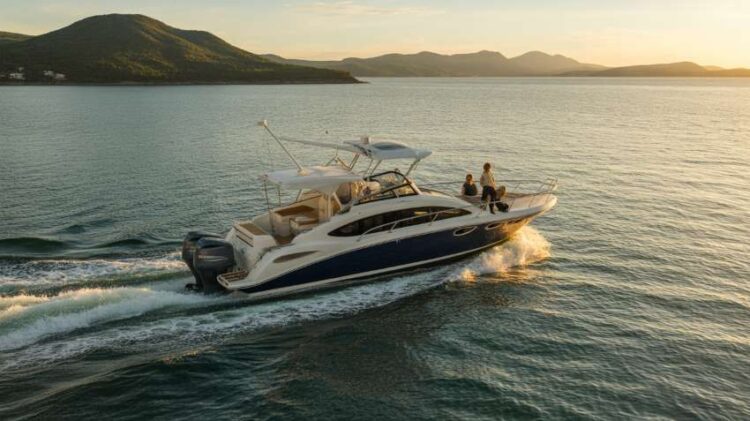
Phnom Penh–Siem Reap Express Boat Service Returns After Six-Year Hiatus, Reviving Cambodia’s Tourism...
Article Summary:
The Phnom Penh-Siem Reap express boat service, which was suspended in 2019, has resumed operations after a six-year hiatus. This revival is seen as a significant boost for Cambodia’s tourism industry, offering tourists an alternative and scenic route between the two cities. The service has been reinstated with enhanced safety standards and government support, signaling a positive shift in travel options and potentially revitalizing tourism in the region.
Key Points:
Actionable Takeaways:
Contextual Insights:
The resurgence of the Phnom Penh-Siem Reap boat service reflects broader trends in the travel industry towards diversifying transportation options and enhancing safety standards. This development aligns with the growing emphasis on sustainable and scenic travel experiences, which are increasingly favored by modern travelers. As the industry continues to evolve, innovations in transport and infrastructure will likely play a crucial role in shaping future tourism trends. Additionally, the emphasis on government support highlights the interconnectedness of public policy and private sector initiatives in driving tourism growth. This case study serves as a reminder of the potential impact of strategic investments in traditional transport modes, which can yield significant benefits for both the tourism sector and local economies.
Read the Complete Article.
Boutique Travel VC raises investment cap from $1.5M to $10M to lead rounds and support portfolio companies through growth Travel...
Read moreDetails




