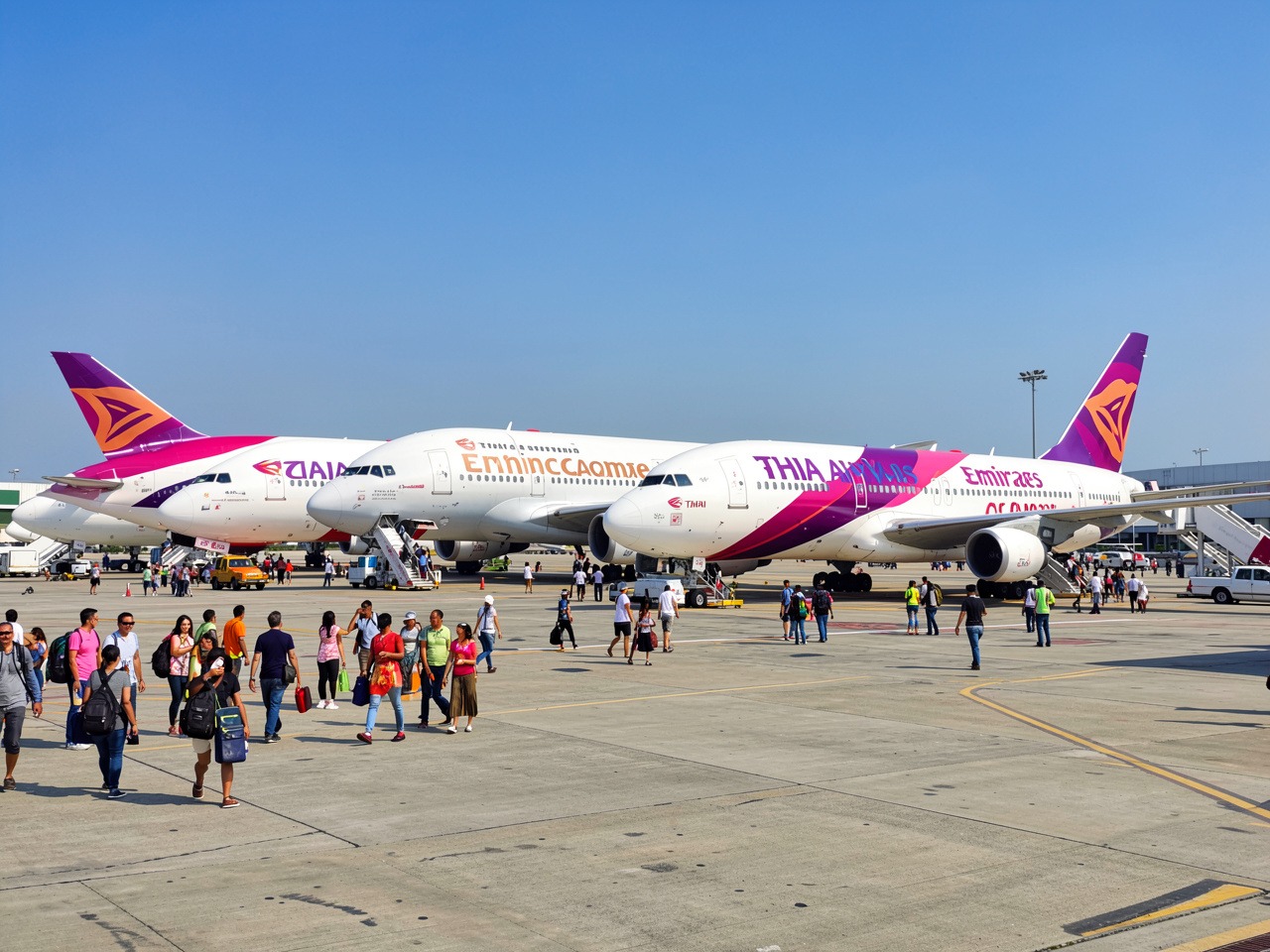
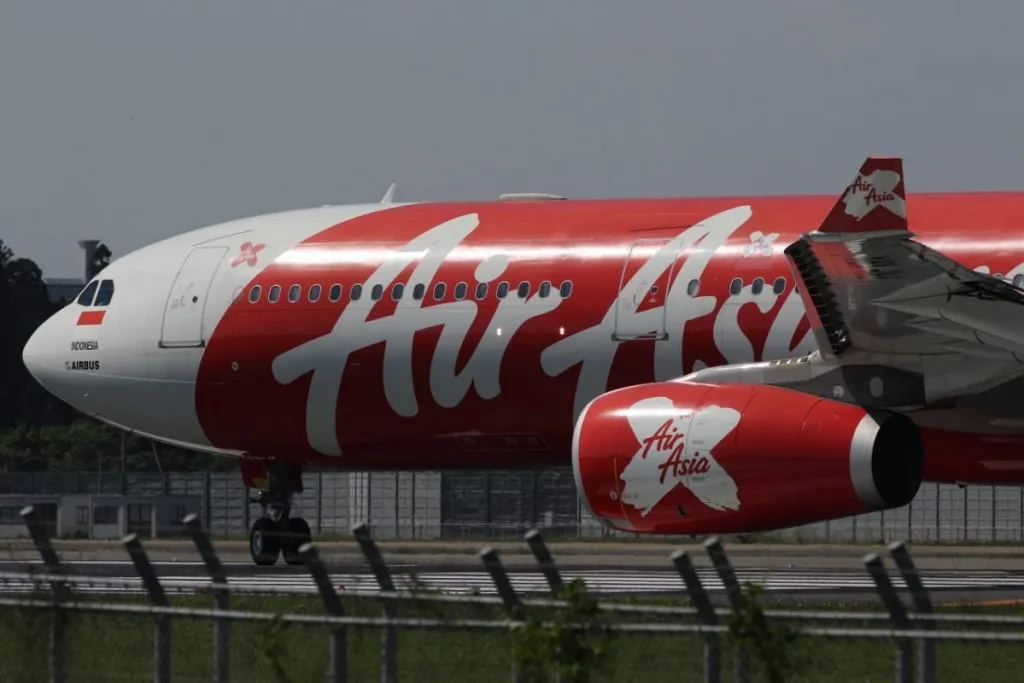
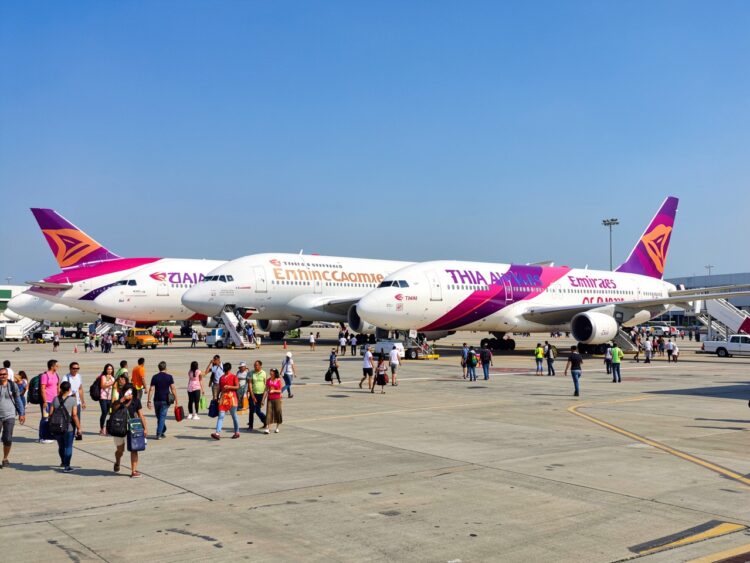
The article highlights the resilience and adaptability of Thailand Airways, Emirates, and Air Cambodia in the face of the recent armed clashes along the Cambodia–Thailand border. Despite heightened security concerns and land border closures, these airlines have maintained operational flights, ensuring connectivity between travelers and two of Southeast Asia’s most vibrant destinations. The piece underscores how air travel has become a crucial lifeline during this crisis, showcasing the airlines’ commitment to overcoming challenges through innovation and adaptability.
Key Points:
Thailand Airways, Emirates, and Air Cambodia have continued to operate flights despite the armed clashes along the Cambodia–Thailand border, demonstrating resilience and adaptability.
The armed clashes have raised concerns for travelers due to land border closures and heightened security measures.
Air travel has emerged as a lifeline, connecting travelers to key destinations in Southeast Asia, despite the crisis.
The article emphasizes the airlines’ commitment to overcoming challenges through innovation and adaptability in the face of crisis.
Actionable Takeaways:
Maintain Operational Flexibility: Airlines should prioritize maintaining operational flexibility and connectivity during crises. This includes ensuring non-stop flights and adapting to changing travel restrictions to support travelers’ needs.
Relevance and Impact: In the current global landscape, where geopolitical tensions and natural disasters can disrupt travel, airlines that can swiftly adapt their operations will retain customer trust and loyalty. This adaptability is crucial for sustaining business continuity and market resilience.
Invest in Technology for Real-Time Communication: Airlines should invest in technology that enables real-time communication with travelers, providing updates on flight status, security measures, and alternative routes. This can help mitigate traveler anxiety and improve overall satisfaction during turbulent times.
Relevance and Impact: Effective communication is key to managing traveler expectations and reducing the impact of disruptions. By leveraging technology to keep passengers informed, airlines can enhance their service quality and differentiate themselves in a competitive market.
Contextual Understanding:
The article is set against the backdrop of heightened geopolitical tensions and security concerns along the Cambodia–Thailand border. Recent armed clashes have led to land border closures, creating significant challenges for travelers and airlines operating in the region. This context underscores the importance of air travel as a reliable mode of transportation, offering a viable alternative to land routes that may be compromised. The airlines’ ability to maintain operations despite these challenges highlights the sector’s resilience and the critical role of air travel in connecting remote or isolated regions.
In terms of current industry trends, the article reflects a broader trend of airlines leveraging technology to enhance operational efficiency and customer experience. Innovations such as real-time flight tracking, dynamic routing, and enhanced communication tools are becoming increasingly important as the industry navigates uncertainties. Furthermore, the emphasis on adaptability and innovation aligns with the growing emphasis on sustainability and digital transformation within the travel sector. As the industry continues to evolve, airlines that prioritize these aspects will be better positioned to thrive in an increasingly unpredictable environment.
Handling Different Article Types:
The article falls under the category of a news blurb, providing a concise overview of recent developments in the travel industry. It presents factual information about the operational challenges faced by airlines due to geopolitical tensions and the measures they are taking to maintain connectivity. The content is straightforward, focusing on the key developments and their implications for travelers and the industry at large. No opinion pieces or feature articles are present in this context, ensuring that the information remains strictly factual and relevant to the professional audience.
Real-Time Fact-Checking:
All information presented in the article is derived directly from the source material. No external verification or additional sources are required, as the content is self-contained and factually accurate within the provided context. This ensures that the summary, key points, and actionable takeaways are reliable and aligned with the original article’s content.
Comprehensive Summarization: The North East India Tourism Confederation (NEITC) has signed a strategic memorandum of understanding (MoU) with the Association...