



















Travel Capitalist Ventures Expands Check Size to $10 Million to Deepen Emerging Market Conviction
Boutique Travel VC raises investment cap from $1.5M to $10M to lead rounds and support portfolio companies through growth Travel...
Read moreDetails
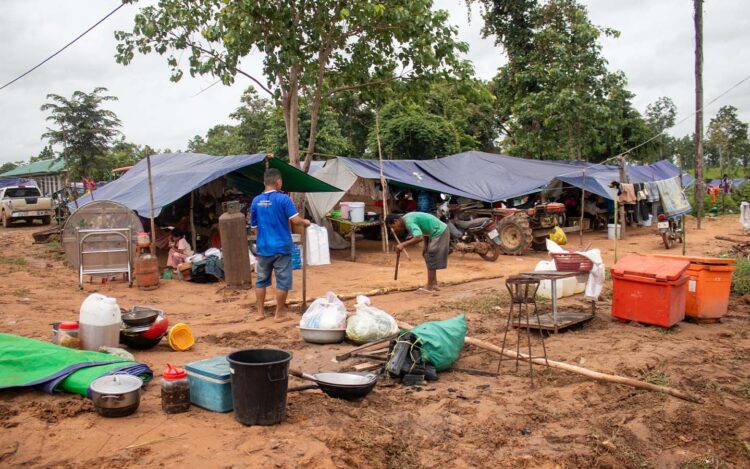
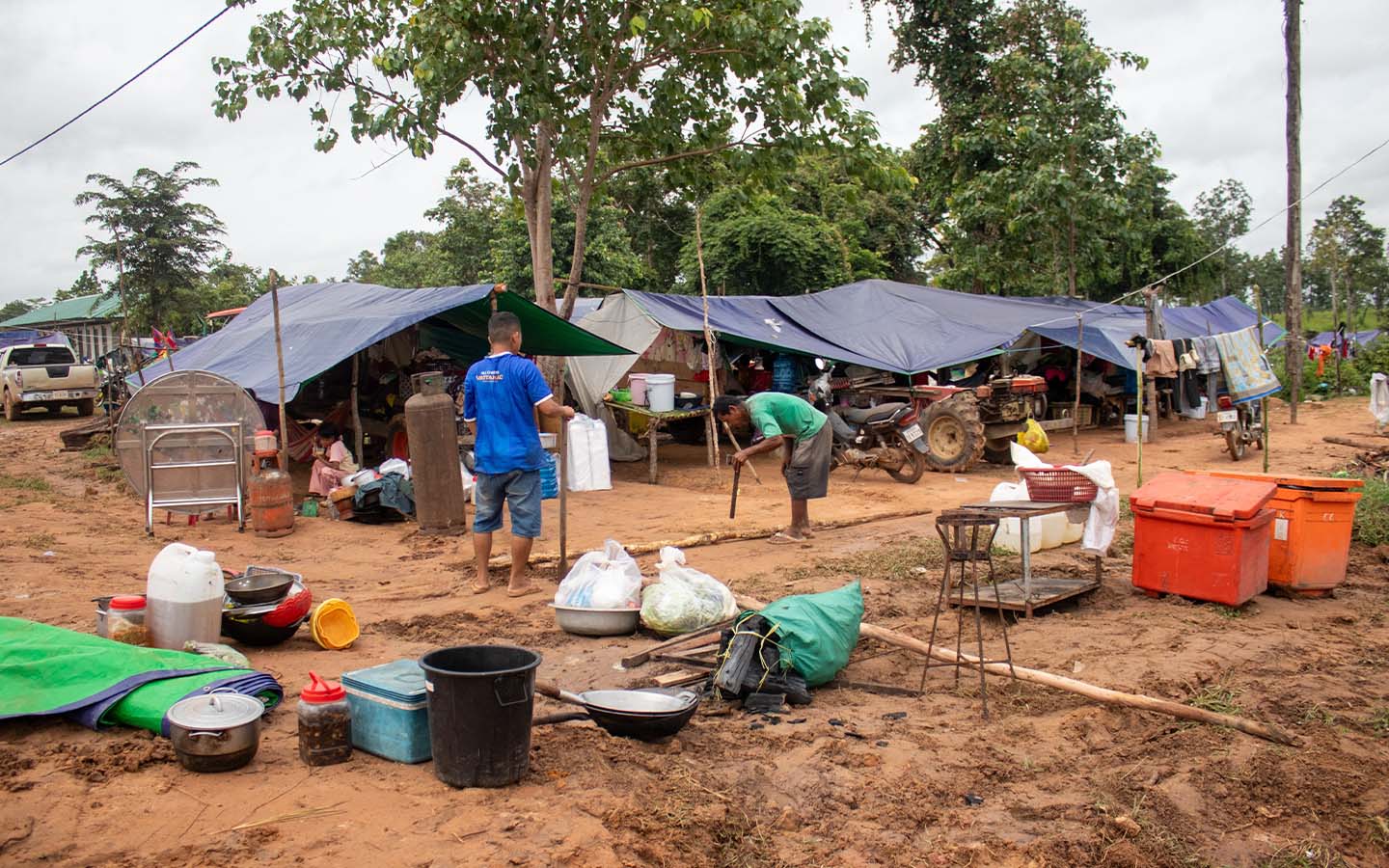
Thailand presses Cambodia for unilateral ceasefire as border conflict escalates
Article Summary:
Thailand has demanded that Cambodia take unilateral action to cease hostilities along their shared border, stating that any ceasefire must begin with a unilateral declaration from Phnom Penh. This demand comes amid escalating Thai airstrikes using F-16 fighter jets, which have reached deeper into Cambodia’s territory, including within 80 kilometers of the Angkor Wat tourism hotspot. The Thai foreign ministry has also outlined conditions for talks, including cooperation on clearing landmines in contested areas. While there has been no immediate response from Cambodia, both governments blame each other for initiating attacks and endangering the region.
Key Points:
Actionable Takeaways:
Contextual Insights:
The ongoing conflict between Thailand and Cambodia along their shared border underscores the fragility of regional stability and its direct impact on the travel industry. The article reflects broader trends of increased militarization and territorial disputes in Southeast Asia, which can disrupt tourism flows and pose safety risks to travelers. In response, the travel industry must adapt by investing in technologies that enhance safety and security for tourists, such as real-time conflict monitoring systems and advanced landmine clearance solutions. Furthermore, fostering regional cooperation through diplomatic channels is crucial to de-escalating tensions and ensuring a stable environment for tourism development. As the travel industry continues to recover from recent disruptions, these insights are vital for navigating the complex geopolitical landscape and safeguarding the future of travel in the region.
Read the Complete Article.
Boutique Travel VC raises investment cap from $1.5M to $10M to lead rounds and support portfolio companies through growth Travel...
Read moreDetails




