



















Travel Capitalist Ventures Expands Check Size to $10 Million to Deepen Emerging Market Conviction
Boutique Travel VC raises investment cap from $1.5M to $10M to lead rounds and support portfolio companies through growth Travel...
Read moreDetails
Trip.com Suspends Cambodia Tourism Tie-Up Over Safety Alerts
Article Summary:
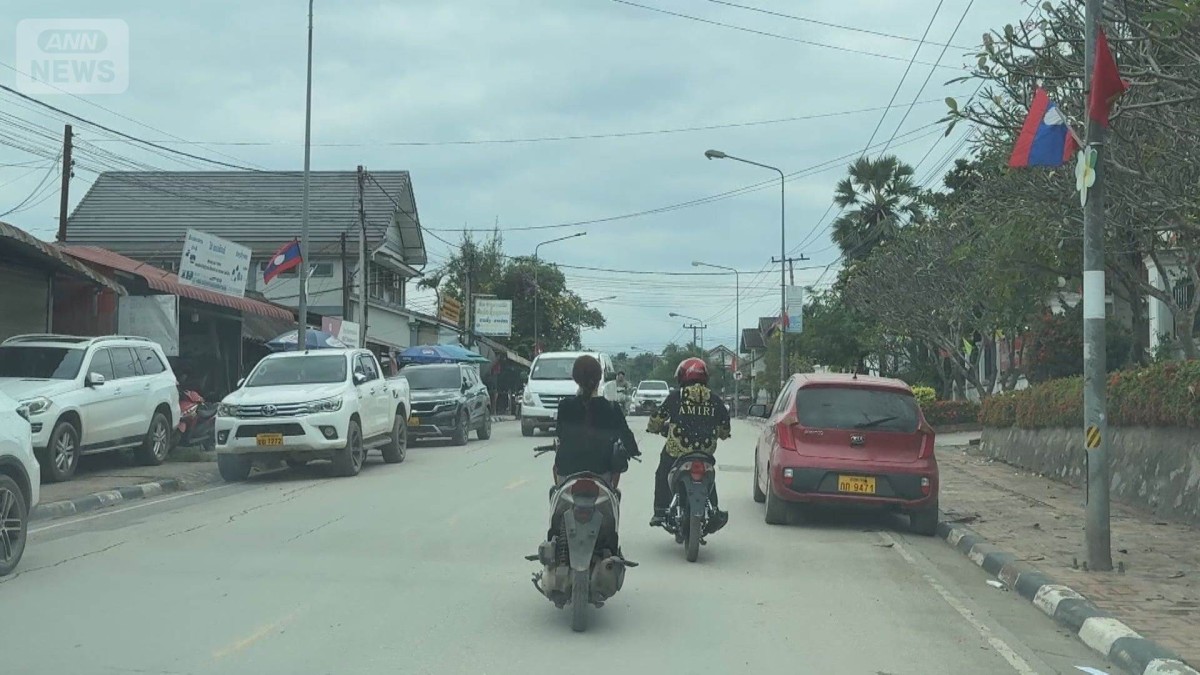
Trip.com Group has suspended its planned tourism partnership with Cambodia’s tourism authority, citing a series of safety alerts issued by the Chinese Embassy in Cambodia. The agreement, which was scheduled to run from September 2025 to March 2026, was halted due to these safety concerns. Since early December, the embassy has released five safety warnings, prompting the decision to suspend the collaboration.
Key Points:
Actionable Takeaways:
Contextual Insights:
The suspension of the Trip.com Group’s tourism partnership with Cambodia highlights the importance of safety in travel collaborations. Recent safety alerts from the Chinese Embassy underscore the need for travel companies to remain vigilant and adaptable in the face of evolving safety conditions. This incident also reflects broader trends in the travel industry, where safety and security are paramount, especially in regions with geopolitical or health-related concerns. As the industry continues to evolve, startups and established players alike must prioritize safety and regulatory compliance to maintain trust and ensure sustainable growth. The incident serves as a reminder for the travel sector to invest in robust risk management strategies and to foster open communication channels with stakeholders to navigate challenges effectively.
Read the Complete Article.
Boutique Travel VC raises investment cap from $1.5M to $10M to lead rounds and support portfolio companies through growth Travel...
Read moreDetails



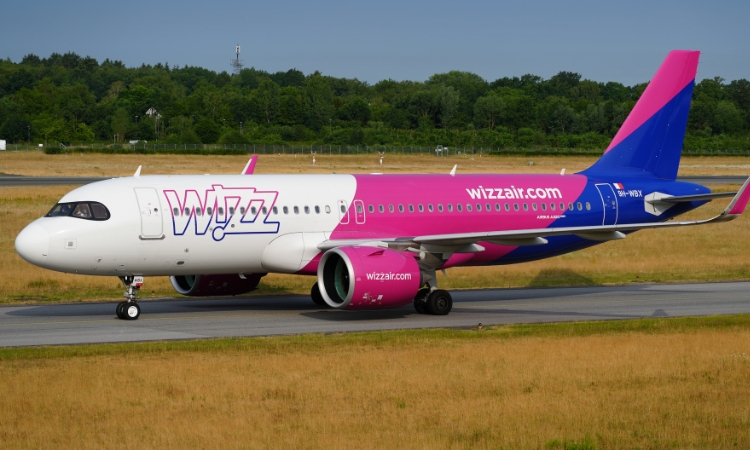
Comprehensive Summarization: Wizz Air, a low-cost carrier, is set to launch a new seasonal route between Bucharest and Dubrovnik, starting...
Read moreDetails
